History
Reading Wrestling Posters as Local Advertising Evidence
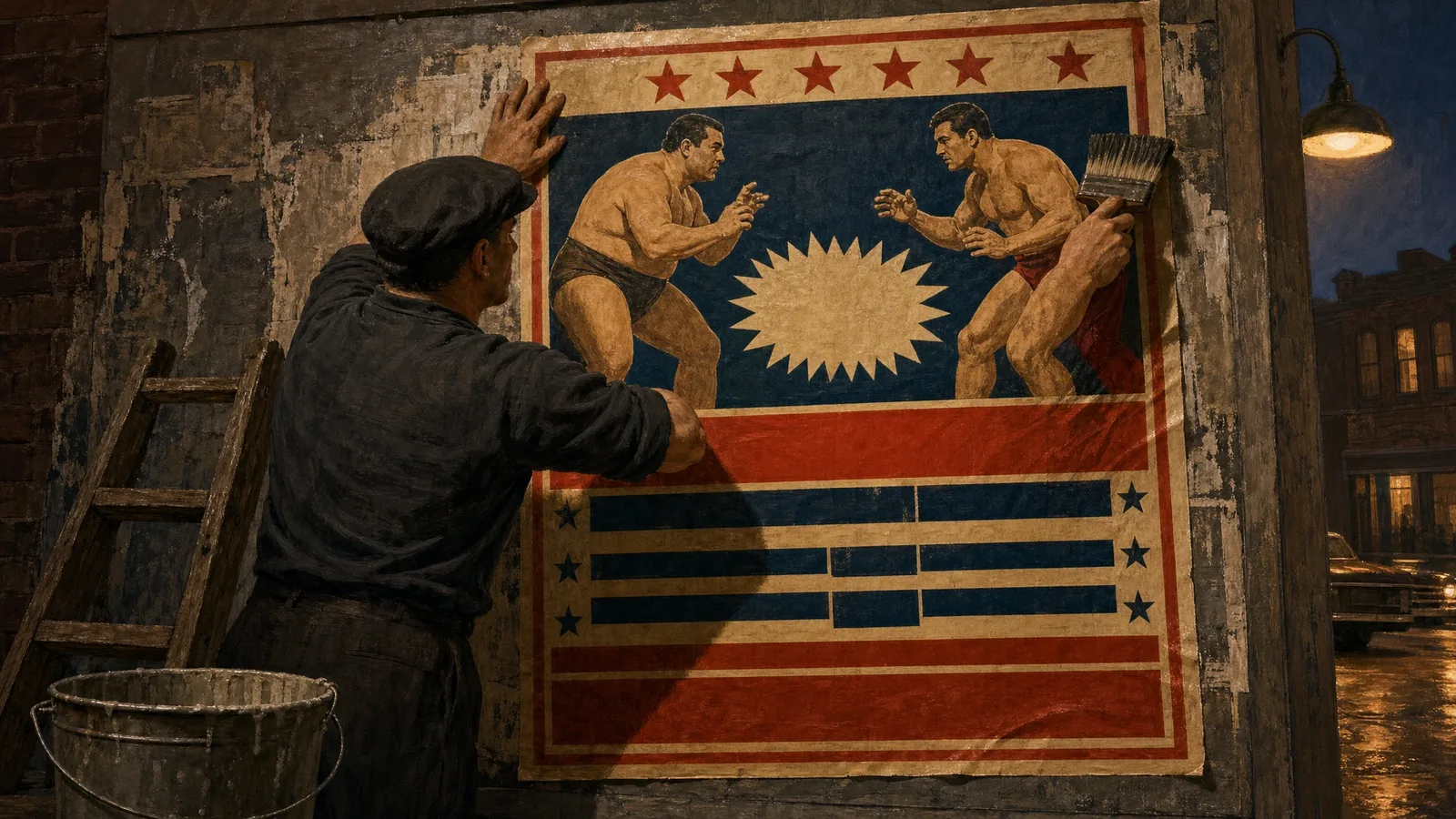
What a wrestling poster can document about an announced local stop, reusable promotion design and public display—and why its images and card claims require corroboration.
Independent History features, stories and context from the world of professional wrestling.
What a wrestling poster can document about an announced local stop, reusable promotion design and public display—and why its images and card claims require corroboration.
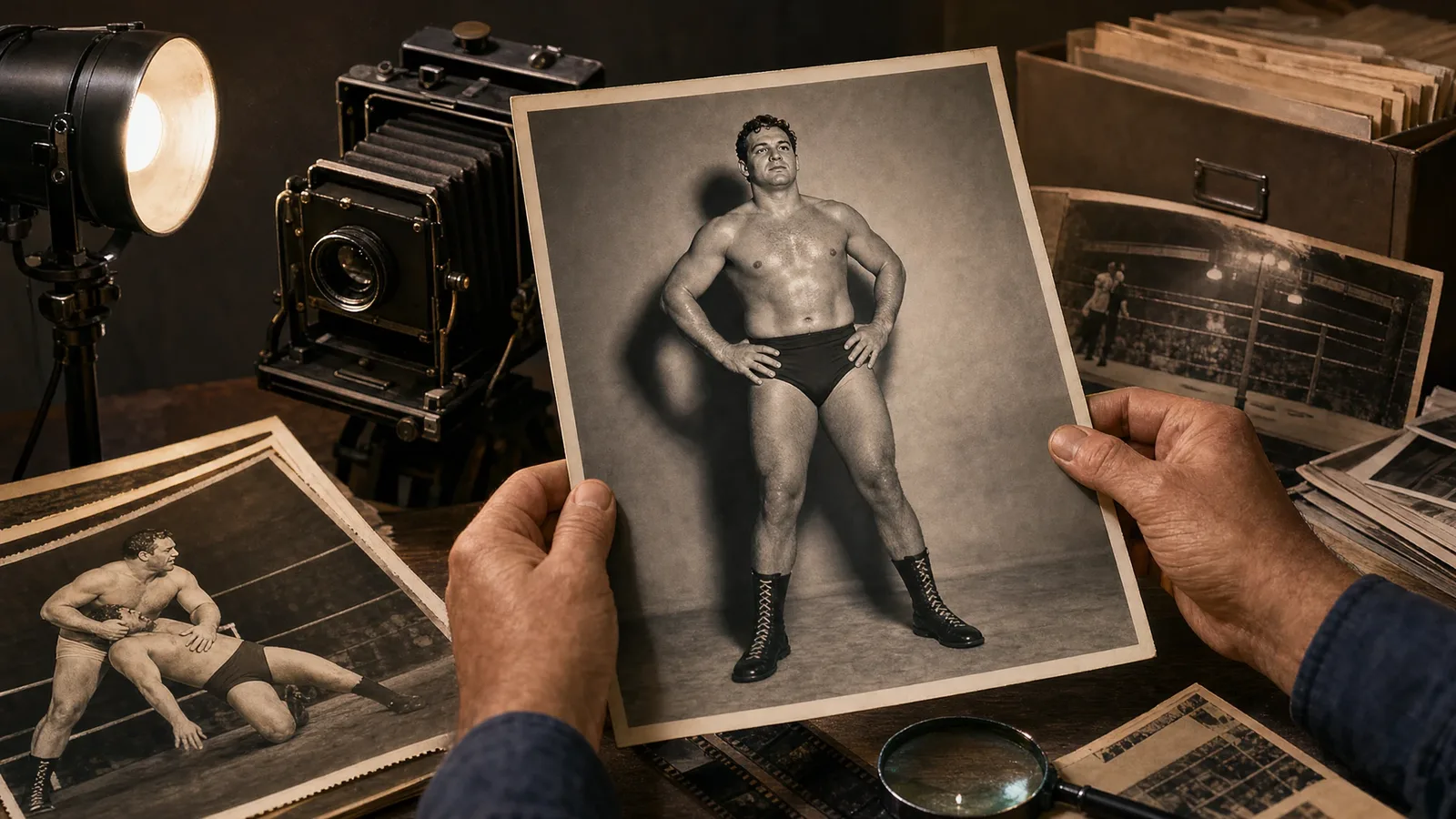
Ringside shots, posed portraits and fan photographs preserve vivid evidence of wrestling’s past. This guide explains how setting, access, credits, labels and later reproduction shape what an image can establish.
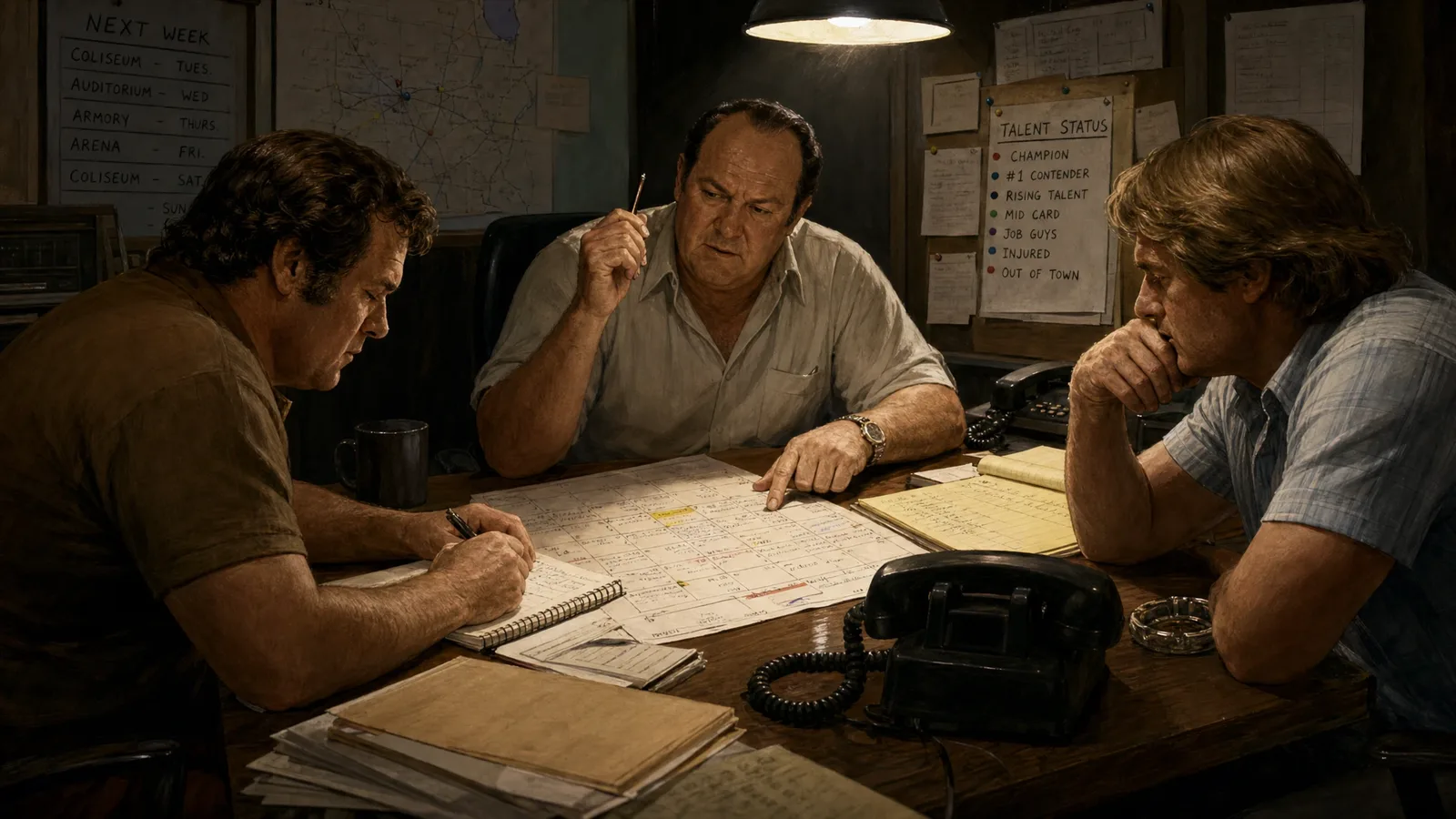
Jim Crockett Promotions, George Scott’s WWF recollections, and Mississippi promotion offer a limited but useful picture of how ownership, booking, local operations, planning and outside constraints could overlap.
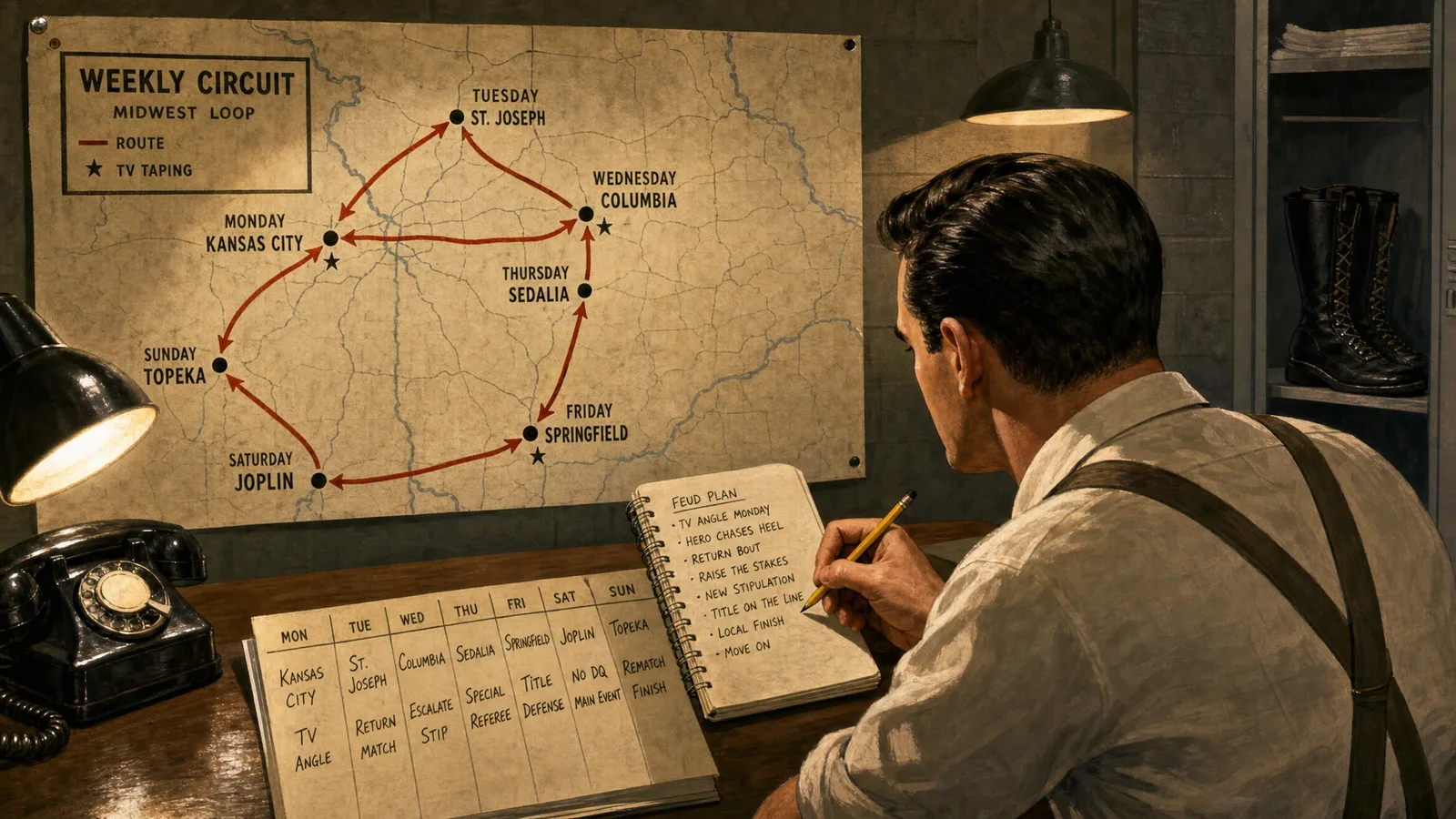
A guide to the documented Central States and Portland evidence for local TV promotion, return matches and market-specific finishes, plus a later Smoky Mountain comparison.
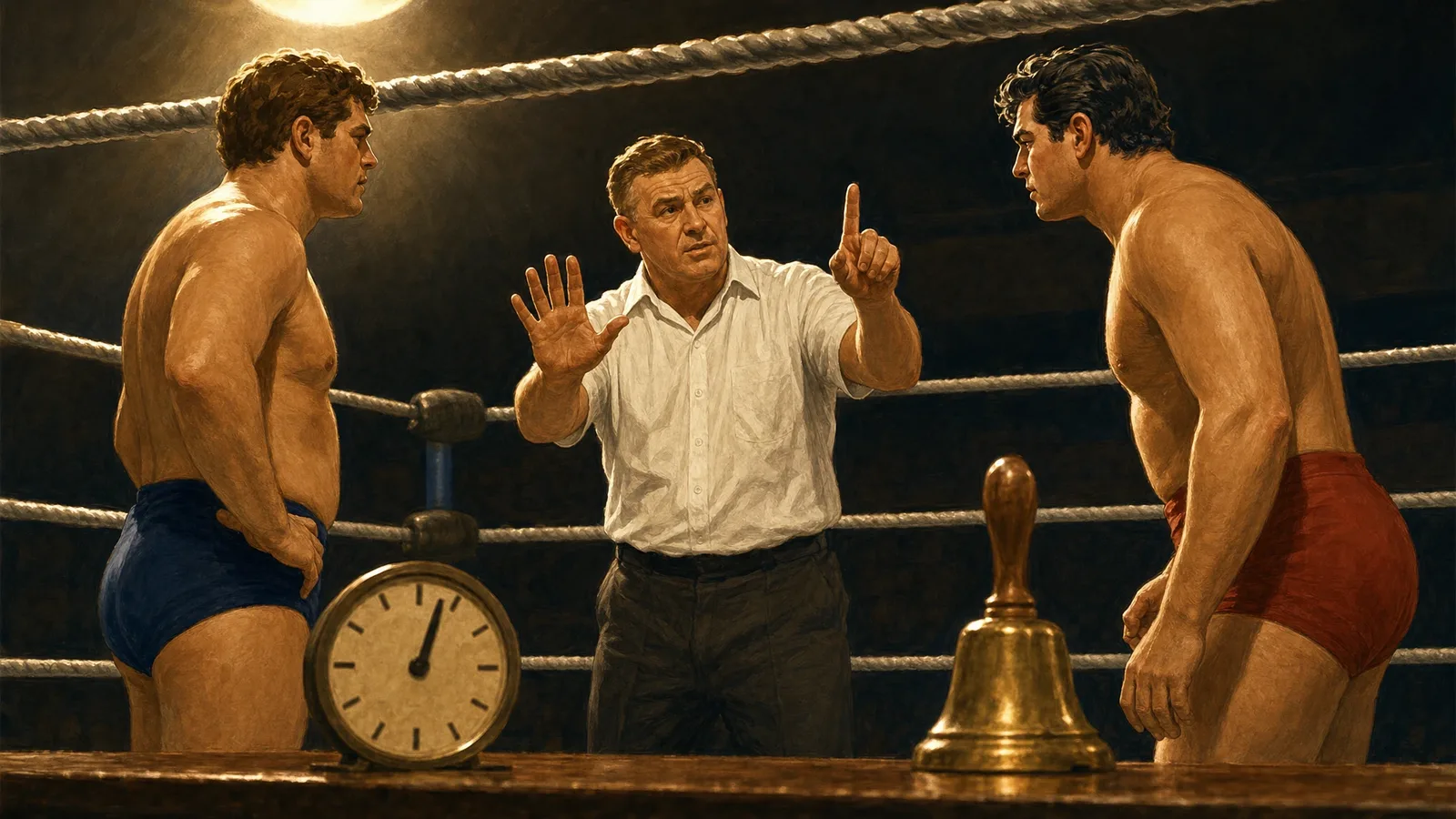
A careful viewing guide to a Slam Wrestling review of the familiar ITV-era framework, Phil Watson’s recollection of English matches, and WWE’s separately defined Heritage Cup rules.
A source-led guide to El Santo’s early films, fantasy adventures and preservation record, with practical ways to distinguish a wrestling identity from its fictional screen roles.
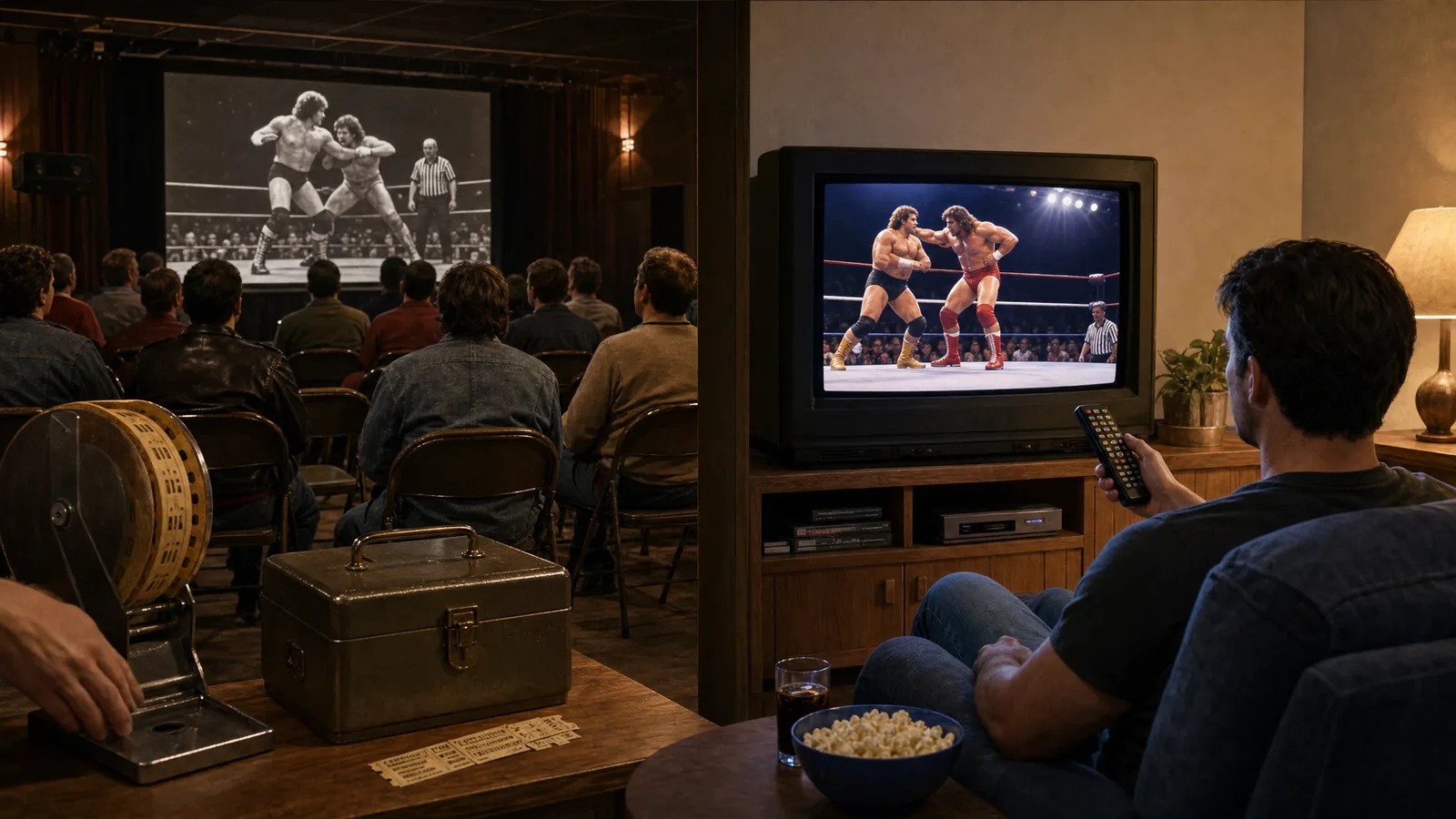
How documented wrestling events used ticketed remote screenings, local live cards and early home pay-per-view, with practical ways to distinguish venue attendance from television purchases.
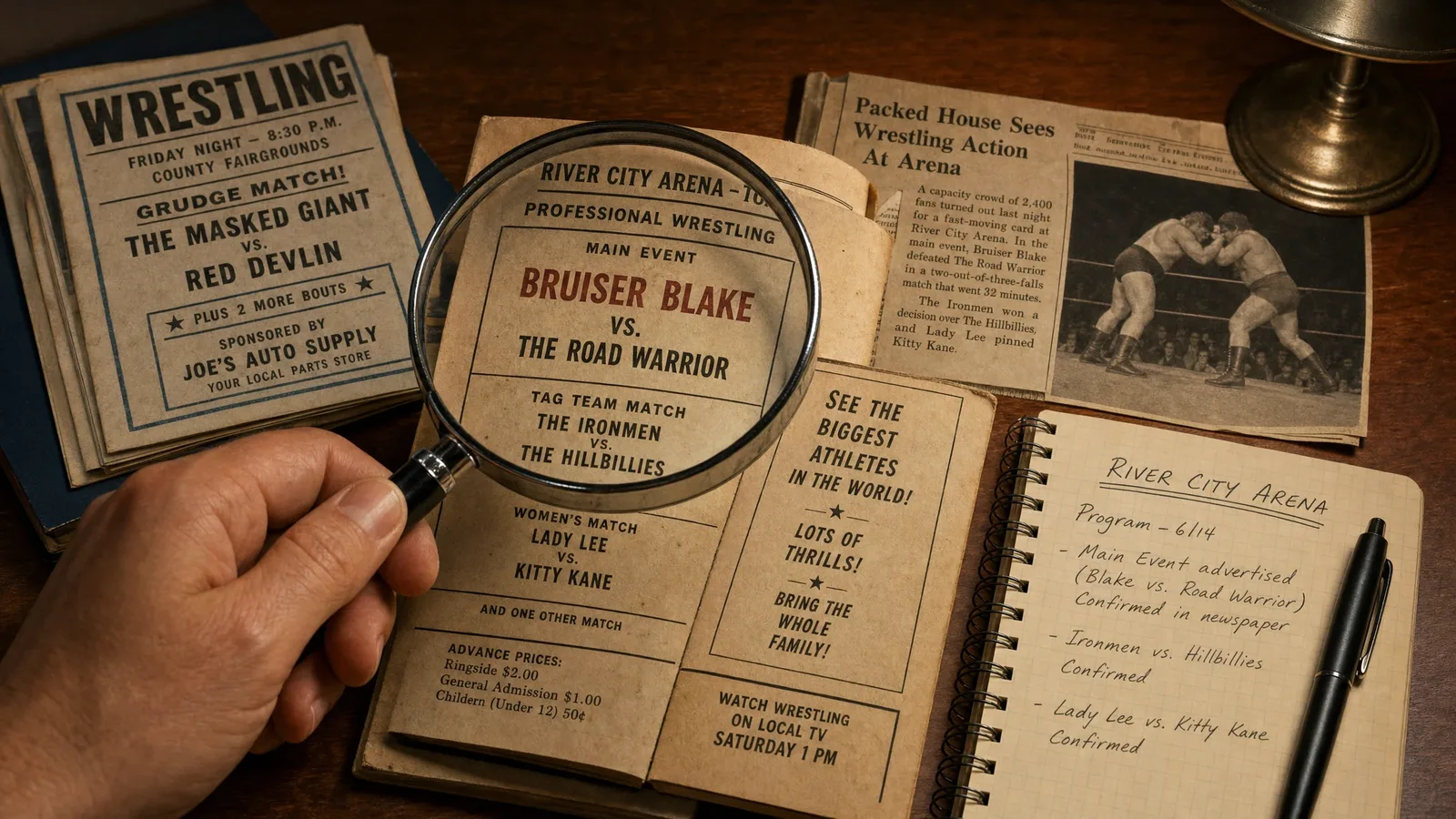
Arena programs, handbills and newspaper clippings can reveal a promotion’s planned card, local ties and sales language. The key is to separate what was advertised from what later sources can confirm.
From Raw's 1993 debut to Dynamite's 2019 arrival, the recurring television appointment became one of wrestling's most powerful storytelling tools.