
A weekly wrestling show makes a promise before it announces a single match: come back, and the world will have moved. Championships may remain in place, but relationships, grievances and opportunities will continue to develop. The recurring appointment gives wrestling a rhythm that is different from a standalone event. A finish can close tonight's contest while opening next week's question.
Three dates offer a useful route into that television history. Raw debuted on January 11, 1993. SmackDown's pilot aired on April 29, 1999, before its regular weekly premiere on August 26 that year. AEW Dynamite began on October 2, 2019. These are distinct milestones, not a claim that televised wrestling began with any one of them.
A night becomes an identity
Raw's name and Monday appointment joined a show to a place in the viewer's week. Repetition matters because it lowers the effort required to return. Once the audience knows when the next chapter arrives, the program can build anticipation across the interval. The schedule becomes part of the narrative's architecture.
This also changes the meaning of an ordinary episode. A single show may contain setup, a decisive match, a new challenge and a reminder of an older issue. Not every development has to be a climax. The weekly form gives small choices room to accumulate until they carry the weight of a major event.
The difference between a pilot and a beginning
SmackDown's two 1999 dates are a good reminder that even familiar history benefits from careful labels. The April pilot and the August weekly launch answer different questions. One identifies an initial broadcast; the other identifies the start of a recurring series. Neither date needs to erase the other.
That distinction is more than trivia. Archives routinely compress complicated beginnings into one anniversary. A responsible entry can preserve the useful shorthand while showing what it means. Readers should not have to guess whether a date refers to a test broadcast, a regular premiere or a later move to another channel.
A new appointment in 2019
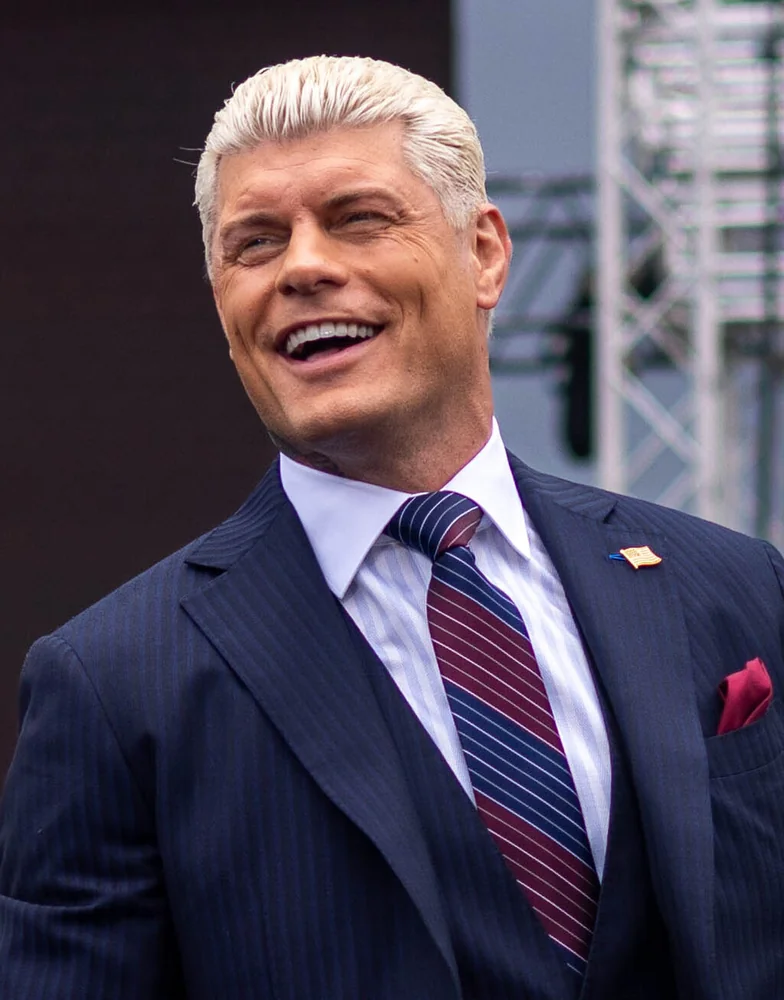
Dynamite's debut took place at Washington, D.C.'s Capital One Arena and aired on TNT. AEW's official recap identifies Cody against Sammy Guevara as the opening match. The launch gave the promotion a weekly setting in which its roster and rivalries could recur, rather than relying on the audience to reconnect only at major events.
Our interpretation of the importance of a weekly launch is structural: repetition allows a new wrestling world to become familiar. Viewers learn entrances, relationships and match rhythms through return visits. The identity of a promotion emerges not just from its biggest moments but from what it chooses to place between them.
Keep history separate from the viewing guide
A broadcaster named in a historical recap tells you where that episode aired then. It does not guarantee where the show airs now. As checked for this launch edition, WWE's U.S. guide lists Raw on Netflix, SmackDown on USA Network and NXT on The CW. Our schedule page labels regular slots and links to official guidance.
The same care applies to day and time. Special programming, international events and local listings can alter an individual broadcast. A recurring slot is a useful expectation, not a confirmed announcement for every future date. The history remains fixed while the practical viewing information needs continued checking.
That combination explains the weekly show's durable appeal. It is both an appointment and an archive in motion: a familiar place to return, and a growing collection of moments that change how earlier moments are understood. To revisit wrestling television is to watch a world learning how to remember itself.
In pictures
Sources & further reading
Our features link to the material behind the story.

Darryl Polo
Darryl Polo is a passionate wrestling fan covering WWE, AEW, TNA and beyond. He loves great rivalries, breakout stars and the moments that keep fans talking long after the bell. How we work.
Photo credits
Cody Rhodes: Sgt. Gianna Elle Sulger / U.S. Army. Source photograph · Public domain. Resized for display.
.jpg)
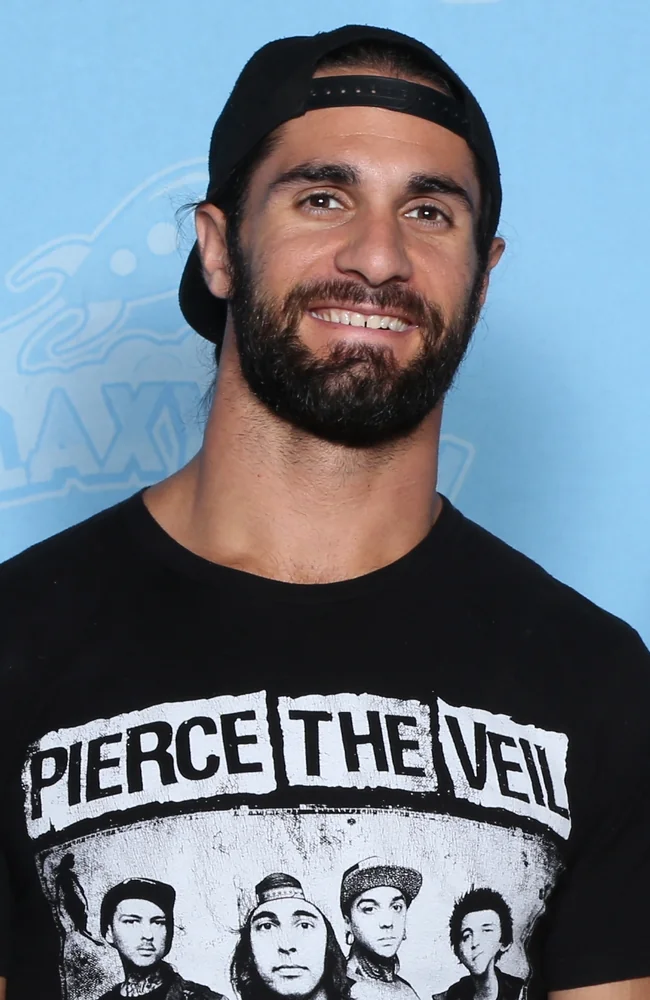
Seth Rollins: Super Festivals. Source photograph · CC BY 2.0. Resized for display.

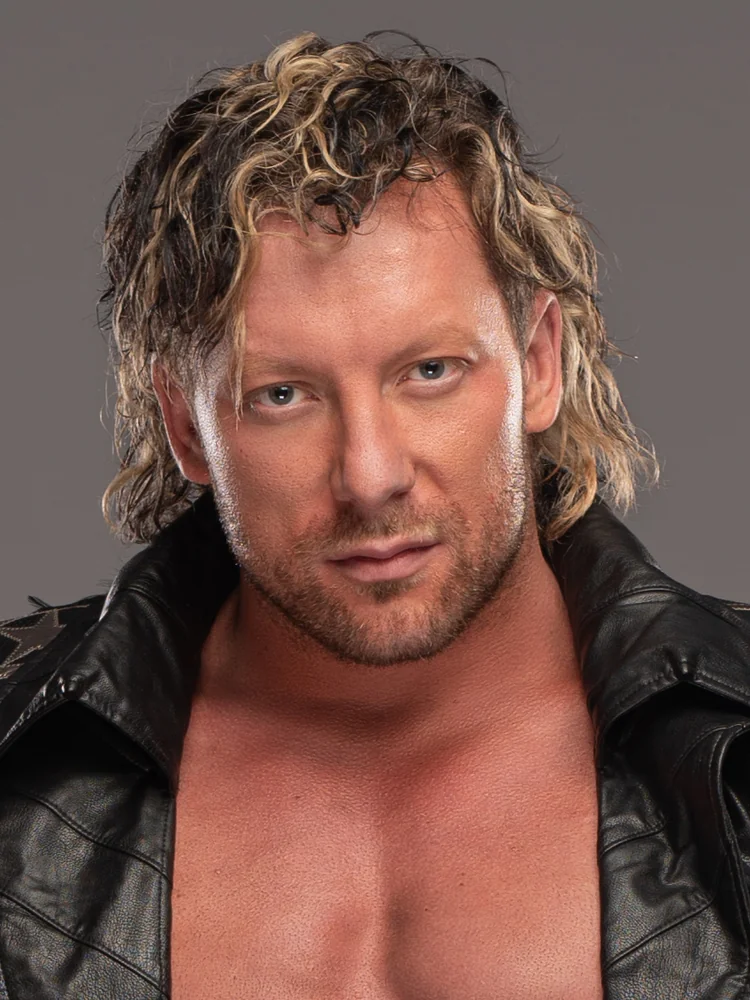
Kenny Omega: All Elite Wrestling. Source photograph · CC BY-SA 4.0. Resized for display.
.jpg)