
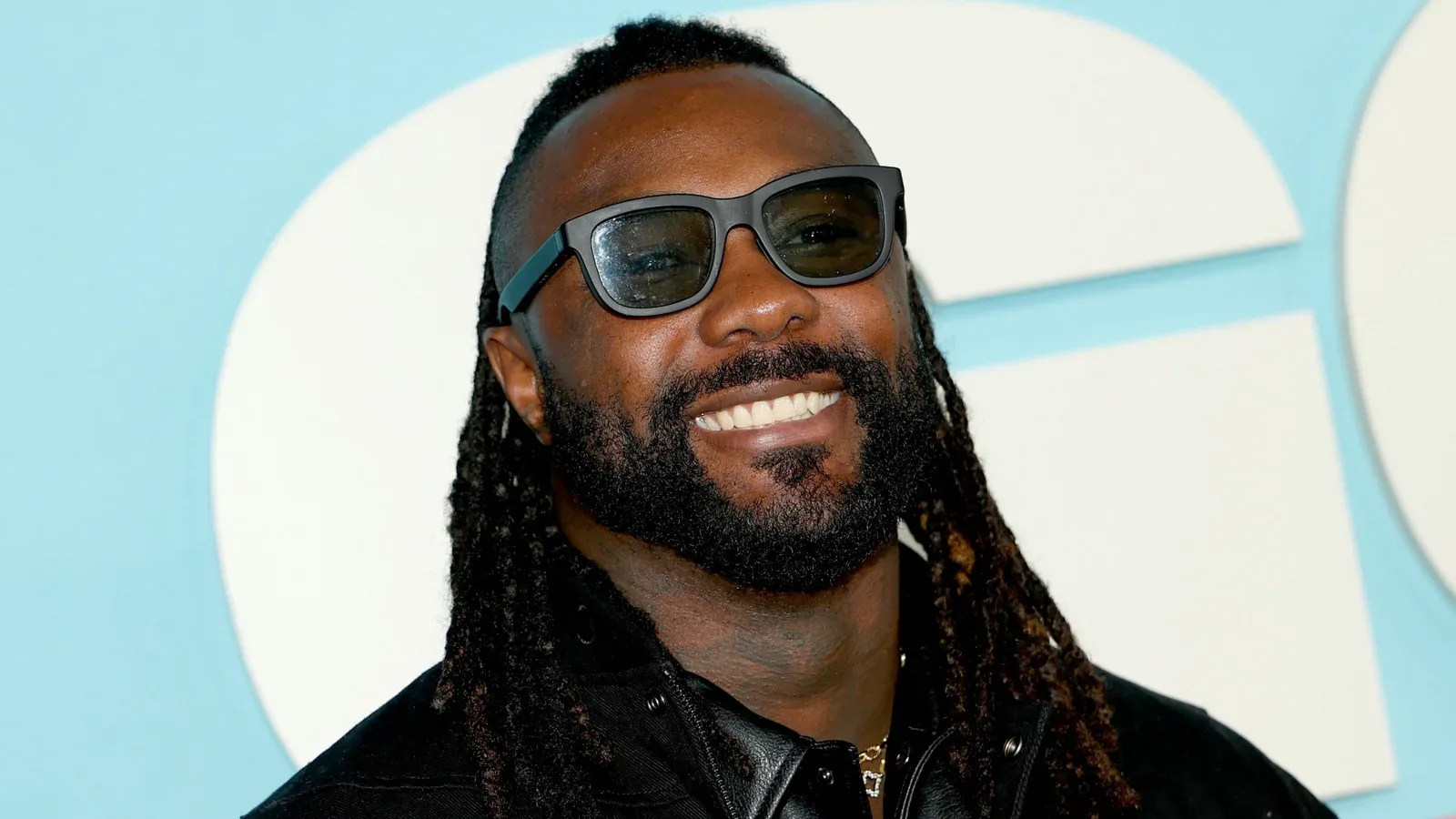
Swerve Strickland has built a reputation as one of professional wrestling’s most resilient and fearless performers, and he has now detailed the physical issue he carried with him through a major stretch of his career. During an appearance on Hot 97, Strickland revealed that he tore his meniscus in 2019 and did not undergo surgery until 2026.
The timeline covers an extraordinary period in Strickland’s rise. In the years between the injury and the operation, he competed in WWE, won the NXT North American Championship, helped make Hit Row one of the brand’s most popular acts, arrived in AEW, captured the AEW World Tag Team Championship, and ultimately became AEW Men’s World Champion. Strickland said he continued wrestling throughout that run rather than stepping away to address the injury.
“I never had bad injuries, I just had, like, I tore my meniscus in 2019,” Strickland told Hot 97. “I didn’t get the surgery until 2026. So like, I just wrestled on it, for like five years. I was performing, I never stopped. That was just something I just dealt with, just till I get all the achievements and stuff. Then I was like ‘Okay, now I can take a break.’”
A long road through a major injury
A meniscus injury can be particularly difficult for a wrestler to manage because of the repeated demands placed on the knee. The sport requires athletes to run, leap, land, pivot, absorb impact and execute moves with precision in front of a live audience. Strickland’s comments make clear that the injury was not an isolated short-term problem in his case, but something he navigated while maintaining a full-time performing schedule over several years.
For more background on this topic, read Nyla Rose Reflects on Oklahoma Athletic Commission Dispute and Tony Khan’s Support.
Strickland framed the decision as a matter of persistence and timing. He did not describe a long list of major injuries when asked about the most painful experience of his career. Instead, he pointed to the torn meniscus and the decision to keep going until he had reached the professional milestones he wanted to reach.
That perspective adds considerable context to the intensity that has defined many of Strickland’s biggest performances. He has long been willing to embrace physical, violent and emotionally charged wrestling, whether in his notable battles with “Hangman” Adam Page or during the bloody match with AR Fox from his time in Lucha Underground. His latest comments indicate that, behind those visible moments of punishment, he was also dealing with an issue that had followed him for years.
Achievements across WWE and AEW
The period after the 2019 injury included pivotal chapters of Strickland’s career. He spent several years in WWE, where he established himself as a standout singles competitor in NXT. Winning the NXT North American Championship was an important individual accomplishment, while his role in Hit Row showed another side of his presentation and helped elevate his profile with audiences.
Strickland’s greatest championship success came after he joined AEW. He won the AEW World Tag Team Championship in 2022, adding a major company title to his résumé. More significantly, his ascent to the top of AEW’s singles division culminated in 2024, when he became the first Black wrestler to hold the AEW Men’s World Championship.
That reign represented a defining accomplishment not only for Strickland but for AEW. It placed him in the company’s top spot after years spent developing his profile across multiple promotions and styles. It also came while he was continuing to work through the knee issue he later described, underscoring the length of time he had delayed the surgical procedure.
Strickland’s championship run also led to one of the biggest matches of his career at All In 2024. He unsuccessfully defended the AEW Men’s World Championship against Bryan Danielson in a marquee match on AEW’s largest stage. Strickland is one of eight men to have headlined All In, alongside Adam Cole, MJF, Danielson, Page, Jon Moxley, Kenny Omega and Will Ospreay.
The meaning behind finally taking time away
Strickland’s explanation of why he waited until 2026 for surgery was concise: he wanted to keep moving until he had attained the achievements that mattered to him. Once he had done that, he felt he could finally take a break.
There is an important distinction in his account. Strickland did not present the delay as evidence that injuries should be ignored, nor did he offer medical guidance about competing while hurt. He simply described what he personally chose to do and how long he was able to remain active before the surgery. Wrestling careers are full of performers working through physical wear and tear, but the specifics of each injury, treatment plan and recovery process can vary substantially.
For Strickland, the decision ultimately came after he had assembled a collection of accomplishments that would stand out in any era. The NXT North American Championship, the success of Hit Row, the AEW World Tag Team Championship and the AEW Men’s World Championship all came during the years he says he was wrestling with the torn meniscus.
His comments also offer a different lens through which to view the pace of his rise. Strickland did not pause his momentum while moving between major opportunities. He continued to perform, develop rivalries and compete in high-pressure title matches, all while knowing surgery remained ahead of him. By his own account, he chose the moment to address the issue after reaching a point where he could step back.
Strickland’s durability remains central to his story
Physical toughness has been an essential part of Strickland’s identity in the ring, but his work has never been defined only by endurance. His strongest runs have combined charisma, unpredictability, athletic ability and a willingness to make major matches feel personal. That mixture helped turn him into a central figure in AEW and made his title victory in 2024 a landmark moment.
Now, the revelation that he wrestled from 2019 until his 2026 surgery with a torn meniscus provides further perspective on the road that led there. His run included championship victories, major television exposure and an All In main event, but also a lengthy injury management situation that the public did not fully understand at the time.
Strickland has said he finally reached the point where he could take the break needed for surgery. The full impact of the procedure on his in-ring schedule and future plans was not addressed in his comments. What is clear is that he views the years before the operation as a period in which he continued performing while pursuing the highest accomplishments available to him.
For a wrestler whose career has been marked by major risks and memorable high-stakes performances, the torn-meniscus revelation is another example of the determination behind Strickland’s rise. He spent years working toward championship-level status while dealing with a knee injury, then made the decision to stop only after reaching the goals he believed justified that sacrifice.
In pictures
Darryl Polo
Darryl Polo is a passionate wrestling fan covering WWE, AEW, TNA and beyond. He loves great rivalries, breakout stars and the moments that keep fans talking long after the bell. How we work.