
There are championship victories that establish a wrestler and victories that seem to let a wrestler believe what the audience already hoped was true. Adam Page defeating Kenny Omega at Full Gear 2021 belongs to the second category in our reading. Its appeal is not simply the transfer of a title. It is the feeling of someone arriving at a position that has become emotionally difficult to occupy.
The factual anchor is November 13, 2021, in Minneapolis. Page pinned Omega to win the AEW World Championship. AEW's official recap was published the following day, a small archival distinction that matters when placing the match on a timeline. A report's timestamp and the event's local date are not always identical.
The opponent knows the protagonist
Page and Omega were not strangers assembled for a title challenge. AEW's January 2020 preview presents them as tag partners. That earlier relationship changes the texture of a later singles match. Former partners bring shared knowledge into competition: the audience can understand that familiarity itself might be an advantage, an injury or both.
Wrestling makes this kind of relationship legible through physical choices. A counter can imply recognition. A borrowed move can imply imitation, defiance or a claim to equal standing. None of those meanings requires a speech in the middle of the match. The performance can let an action carry the argument.
That is an interpretation of the form, not a claim about private motives. A published result cannot tell us what a performer personally felt, and it should not be made to. The useful distinction is between the character's presented problem and an imagined account of the person behind the character.
The people at ringside matter
AEW's recap records Matt Jackson acknowledging Page before the finishing sequence and the Dark Order celebrating with the new champion afterward. Those details provide the editorial basis for reading the ending in terms of belonging. The match does not conclude with a solitary figure and a belt alone. It situates the victory among relationships.
The difference is subtle but important. A championship is a public credential; acceptance is an emotional one. When both arrive in the same closing passage, the finish can feel larger than the contest's formal stakes. The title proves an outcome. The surrounding response helps explain why that outcome matters to this particular character.
It is also why background can enrich a match without becoming homework. A new viewer can understand a challenger pursuing a champion. A returning viewer may notice the history embedded in who chooses to intervene, who holds back and who comes forward afterward. The same scene can support different levels of familiarity.
Let the match remain a match
There is a risk in discussing a celebrated ending only as a metaphor: the wrestlers' practical work disappears. The counters, transitions and finishing attempts create the uncertainty that lets the emotional conclusion land. Without the credible possibility of failure, relief has little room to grow. A story needs the contest to carry it.
For a rewatch, try following two questions together. Can Page win this exchange? And what would winning mean in this relationship? Keeping the immediate and the cumulative stakes side by side is more rewarding than treating the match as either a move list or a summary of character development.
Full Gear 2021 offers a compact example of wrestling's unusual memory. A title match can bring earlier partnership, doubt and friendship into a few final decisions. The archive records Page as the winner. The enduring conversation begins with everything that victory appears to resolve.
In pictures
Sources & further reading
Our features link to the material behind the story.
Darryl Polo
Darryl Polo is a passionate wrestling fan covering WWE, AEW, TNA and beyond. He loves great rivalries, breakout stars and the moments that keep fans talking long after the bell. How we work.
Photo credits
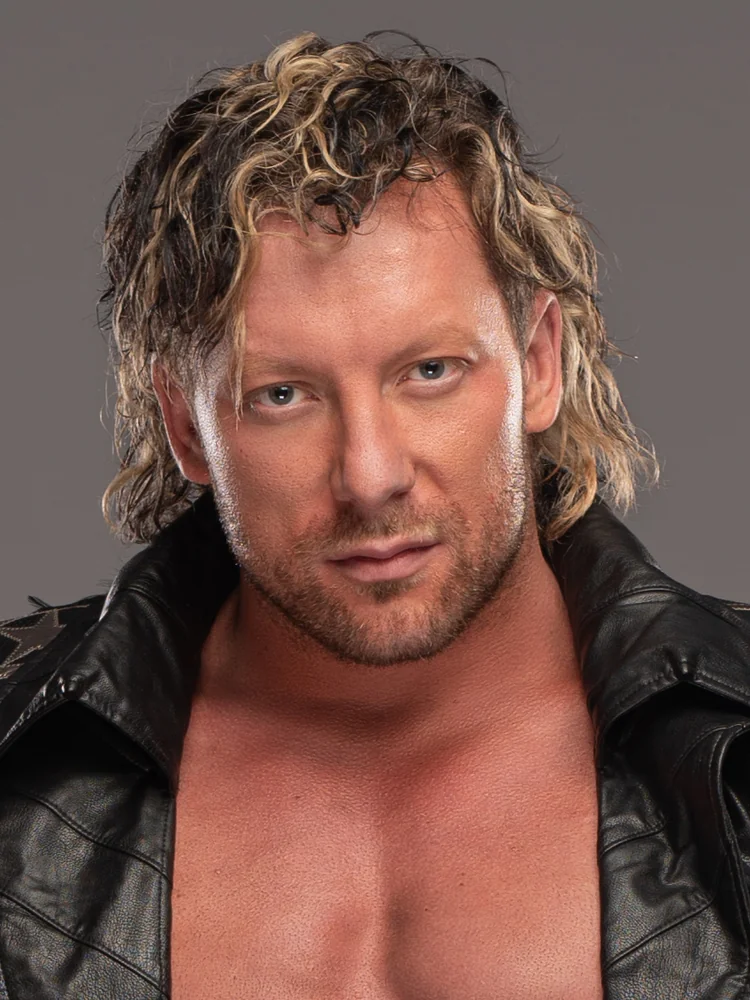
Kenny Omega: All Elite Wrestling. Source photograph · CC BY-SA 4.0. Resized for display.
.jpg)
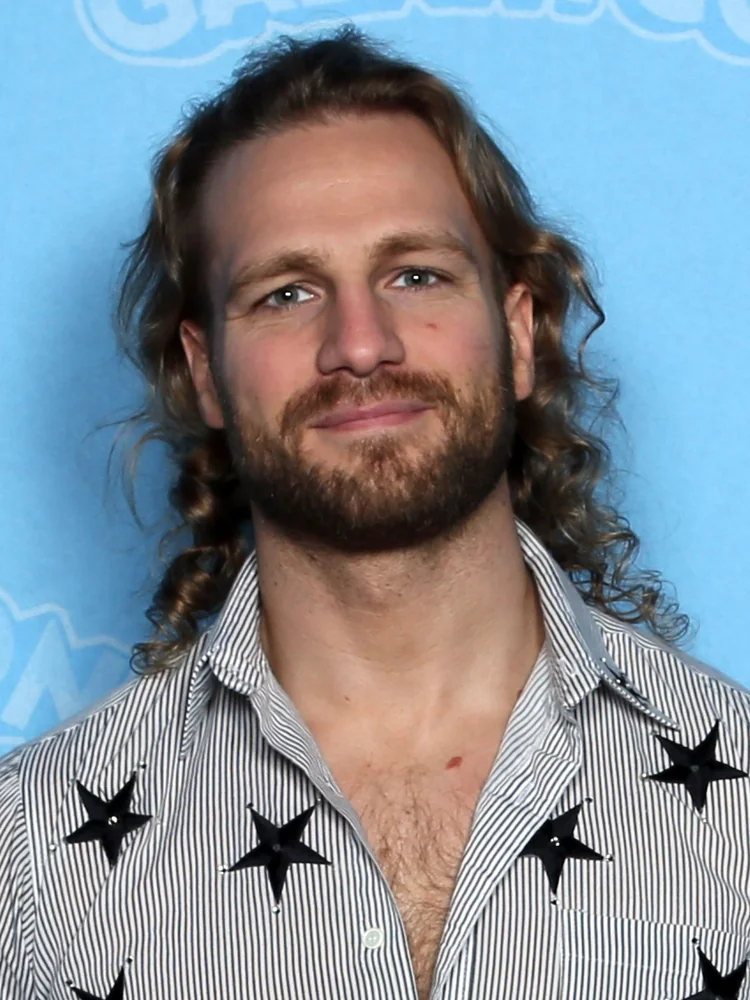
Adam Page: Super Festivals. Source photograph · CC BY 2.0. Resized for display.
.jpg)