
Will Ospreay and Kenny Omega have added another enormous chapter to their rivalry, and their AEW All In: London main-event-level showdown is already being discussed in historic terms.
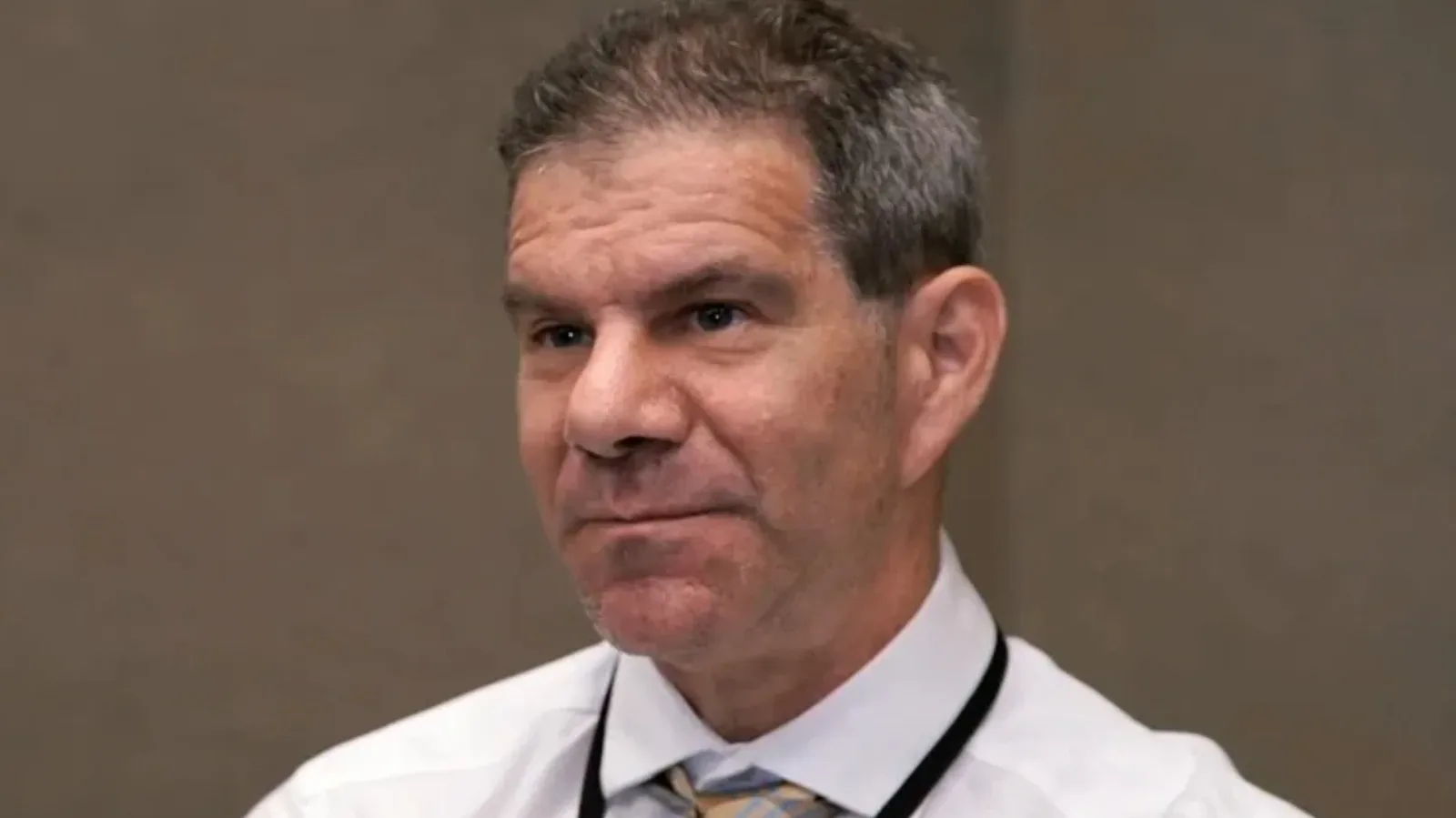
At Wembley Stadium last Sunday, Ospreay defeated Omega to become the new AEW World Champion in a match packed with callbacks, escalating drama, major near-falls, and the kind of punishing offense that made the finish feel especially controversial and intense. Dave Meltzer placed the bout in extraordinarily rare territory afterward, calling it “probably the second best match I’ve ever seen” while awarding it a final rating of six and a half stars.
That assessment immediately puts the contest at the center of the match-of-the-year conversation, while also underscoring the unusual standard Meltzer applied to Ospreay and Omega’s performance. His star ratings have long generated debate among fans and wrestlers alike, particularly around match style and the number of bouts that have exceeded the traditional five-star ceiling. Still, describing a match as potentially the second greatest he has ever watched is a far more sweeping statement than even a high numerical score.
For Ospreay, the victory represented the culmination of a career-defining night in front of one of wrestling’s largest stages. For Omega, it was another major performance from a wrestler whose catalogue already includes many of the modern era’s most acclaimed matches. Together, they produced a bout that played directly into their shared history and the mythology surrounding Omega’s most protected finishing move, the One Winged Angel.
Ospreay survives the One Winged Angel
A central element of the match came when Ospreay kicked out of the One Winged Angel. The move has been treated as one of the most decisive finishers in modern professional wrestling for much of Omega’s career, making any escape from it a major narrative event.
Meltzer emphasized that Ospreay became only the second wrestler in history to truly kick out of the One Winged Angel. The first was Kota Ibushi, who escaped the move at DDT Pro-Wrestling’s 15th Anniversary show in 2012. Ibushi’s connection with Omega made that moment especially meaningful, and for years he stood alone as the one wrestler confirmed to have survived the maneuver in that fashion.
MJF has also been tied to the history of the move through his AEW Dynasty match with Omega earlier this year, though the circumstances were notably different. Omega had Friedman covered for approximately 10 seconds while the referee was incapacitated. When the official recovered and resumed the count, MJF kicked out. Because there was no active count during the full duration of the cover, that sequence has often been described as MJF “technically” kicking out rather than being presented as an unambiguous, standard kickout from the One Winged Angel.
Ospreay’s escape at All In carried a different weight. It was a clear statement within the match that the challenger could withstand Omega’s most feared weapon, allowing the closing stretch to become an even larger battle over who could finally put the other away.
A closing sequence built around signature moves
The final stretch featured both men reaching for familiar finishing offense and finding ways to extend the contest. After Ospreay kicked out of the One Winged Angel, he answered with a Tiger Driver that Meltzer described as dropping Omega “pretty much on his head.” The spot became one of the most jarring moments of the match and added a darker edge to the closing minutes.
Ospreay then delivered the One Winged Angel himself, turning Omega’s iconic move back against its creator. Omega kicked out at one, preserving his own remarkable resilience and preventing the moment from becoming the decisive final image of the match.
From there, Ospreay continued to pursue the finish with his own signature offense. He connected with a Hidden Blade and Storm Breaker, yet Omega survived again. The repeated kickouts created the sense that both wrestlers had moved beyond the limits normally associated with their most damaging moves, a fitting escalation for a contest with a world championship at stake and years of competitive history behind it.
Ospreay finally secured the pinfall after another Hidden Blade. The finality of that strike closed a match in which the new champion had endured Omega’s ultimate finishing move, used that move himself, and then needed multiple attempts with his own most dangerous attacks to keep Omega down.
“Ospreay became the second person in history to truly kick out of the One Winged Angel ... Ospreay hit a tiger driver and dropped Omega pretty much on his head. That looked so bad. Ospreay then used a One Winged Angel and Omega kicked out at one. Ospreay used the hidden blade, and storm breaker. Omega kicked out again. Then Ospreay used another hidden blade for the pin. Even with the Tiger driver at the end, this was probably the second best match I’ve ever seen.”
Why the rating stands out
A six-and-a-half-star score is itself a notable number in the context of Meltzer’s rating system. While five stars was historically considered the top grade, the system has periodically gone beyond that mark for matches viewed as exceptional achievements. The rating for Ospreay vs. Omega goes even further, reflecting both the scale of the match and Meltzer’s personal reaction to it.
The larger headline, however, is the placement in his all-time viewing history. Wrestling audiences can debate rankings forever, because comparisons across decades, territories, promotions, styles, and eras are inherently subjective. A technical classic from Japan, a stadium spectacle, a gritty territorial brawl, and a modern sprint can all aim for greatness in very different ways. That subjectivity has always been part of the discussion surrounding star ratings.
Even so, the statement makes clear just how strongly the All In encounter landed. Ospreay and Omega did not simply have a well-received championship match. They delivered a performance that, in one veteran observer’s estimation, belongs near the very top of every match he has seen across his decades of watching professional wrestling.
The rating will also intensify discussion of their rivalry. Ospreay and Omega had already established a reputation for producing acclaimed matches against one another before this Wembley Stadium clash. Their latest meeting arrived with the AEW World Championship on the line and with both performers carrying the expectation that comes with their previous encounters. By emerging with the title, Ospreay gave the rivalry another pivotal result while also creating a match that will be revisited whenever the best AEW bouts and best matches of 2026 are discussed.
Ospreay’s championship moment at Wembley
Winning the AEW World Championship at All In: London is a landmark achievement for Ospreay regardless of any critical response. Doing it against Omega at Wembley gave the accomplishment a uniquely personal and professional significance. Omega has been a defining opponent in Ospreay’s rise into the elite tier of global wrestling, and defeating him in such a high-pressure championship environment further establishes Ospreay’s place at the forefront of AEW.
The setting mattered as well. Wembley Stadium has become synonymous with AEW’s largest-scale London events, and a title change there naturally carries an added sense of occasion. Ospreay entered the match facing one of the most accomplished wrestlers in the company, then left as AEW World Champion after surviving an offense few have ever overcome.
There will be no shortage of debate around the Tiger Driver and the severity of the match’s closing action. Meltzer specifically noted how bad the move looked, and the physicality of that sequence cannot be separated from the reaction to the overall bout. Yet it was the total structure of the match—the protected finisher, the callbacks, the reversals, the kickouts, and Ospreay’s final Hidden Blade—that drove the extraordinary praise.
AEW now moves forward with Ospreay as champion, while Omega’s loss adds another significant development to his own path. The immediate implications for both men will unfold in the weeks ahead, but the match itself has already achieved a lasting distinction. It was a world title bout that changed champions, expanded the lore of the One Winged Angel, and earned one of the highest evaluations Meltzer has ever given.
Whether fans ultimately agree with the six-and-a-half-star rating or the all-time ranking is a matter of personal taste. What is far less debatable is the scale of the reaction. Ospreay vs. Omega at AEW All In: London has rapidly become a defining match of the year, and its place in the broader conversation about modern wrestling classics is already secure.
Keep reading on SmackDownOnYou
In pictures

Darryl Polo
Darryl Polo is a passionate wrestling fan covering WWE, AEW, TNA and beyond. He loves great rivalries, breakout stars and the moments that keep fans talking long after the bell. How we work.