
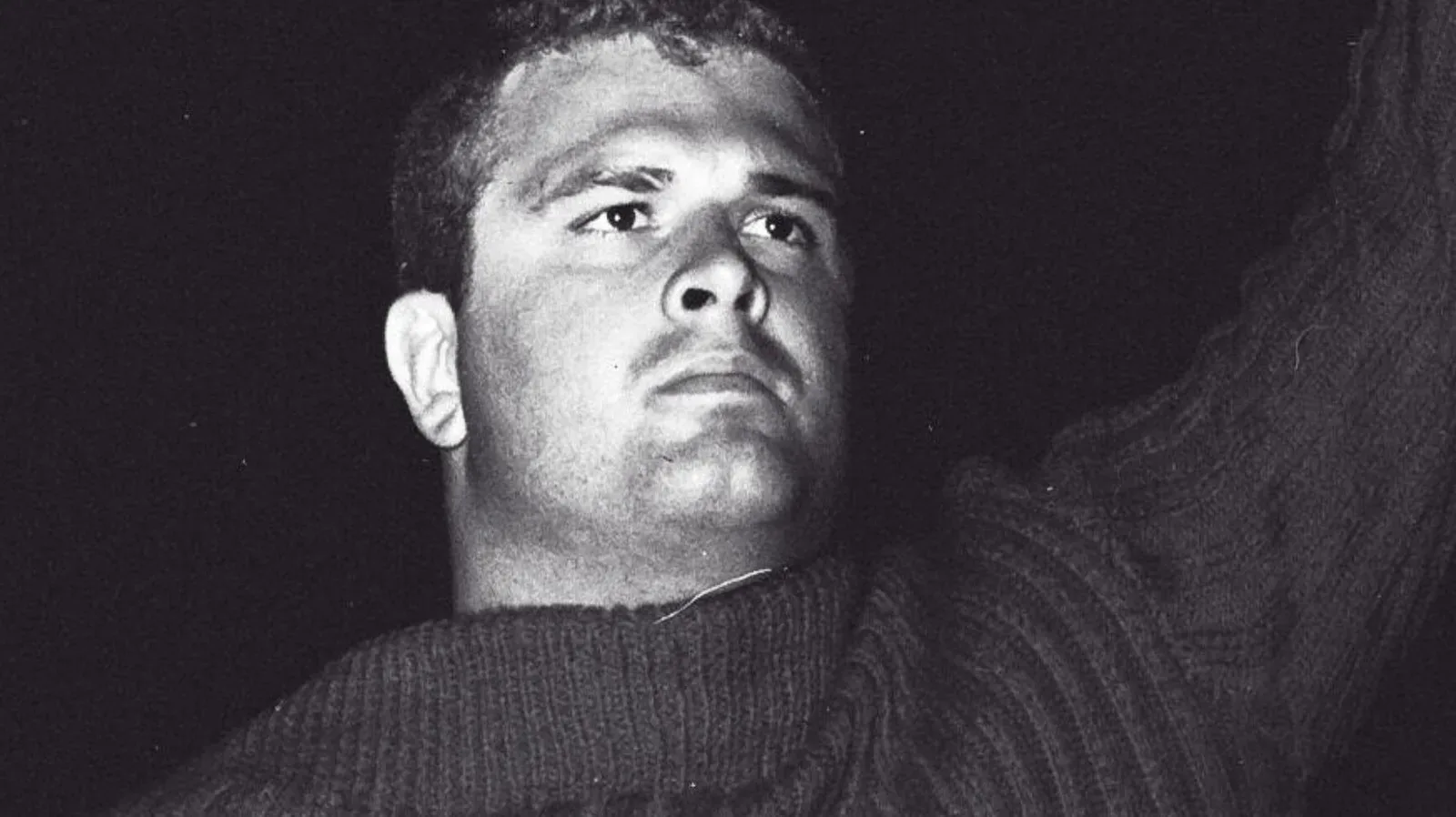
WWE has issued a statement honoring WWE Hall of Famer Bill Watts following his death at the age of 87 on Tuesday.
Watts, remembered as both a hard-nosed in-ring competitor and a defining promotional force behind the scenes, was inducted into the WWE Hall of Fame in 2009. WWE marked his passing with a written tribute on its platforms as well as a memorial graphic shared on social media.
Known throughout professional wrestling as “Cowboy” Bill Watts, he occupied several major roles during a career that stretched across decades. He competed during the territory era, rose to prominence as a promoter through Mid-South Wrestling, and later served as Executive Vice President of WCW. His impact was felt not only through the performers he worked with, but also through the storytelling approach he helped establish for weekly wrestling television.
“Inside the squared circle, he was as tough as they came,” WWE wrote in its obituary for Watts. “Outside the ring, his no-nonsense approach to doing business made him one of the industry's top promoters. With that, Watts built a lasting legacy in the wrestling business.”
For more background on this topic, read WWE Hall of Famer and Mid-South Wrestling Architect Bill Watts Dies at 87.
A Career That Extended Far Beyond The Ring
Before becoming one of wrestling’s most recognizable promoters, Watts had an athletic background at the University of Oklahoma. That competitive foundation carried into his wrestling career, where his physical style and stern persona made him a natural fit for the rugged presentation of the era.
Watts worked across the territorial landscape and won numerous championships during his time as an active wrestler. His career also included a notable rivalry with Bruno Sammartino, the legendary WWWF Champion. In an industry filled with outsized personalities, Watts developed a reputation as a believable, uncompromising presence who could connect with audiences through intensity rather than flash.
That reputation remained central to the image associated with Watts long after he moved into promoting. The “Cowboy” persona was not simply a nickname; it reflected the direct, unsentimental approach that became a hallmark of his work in the business. WWE’s memorial recognized that dual identity, paying respect to the wrestler Watts was while emphasizing the promoter and executive he became.
Watts’ post-wrestling accomplishments are especially significant because they came during a period when wrestling promotions relied heavily on regional audiences, local television, and consistent live-event business. Success required an understanding of which talents could draw interest, which rivalries could grow over time, and how to give viewers a reason to return week after week.
Watts became one of the figures most closely connected to refining those elements through Mid-South Wrestling.
The Growth Of Mid-South Wrestling
As the leader of Mid-South Wrestling, Watts helped expand the promotion substantially. The company became an important proving ground for wrestlers who would go on to become some of the most enduring stars in the industry. WWE specifically noted his role in elevating future Hall of Famers including Sting and Ted DiBiase.
That ability to identify, build, and present talent was a major part of Watts’ legacy. A successful wrestling promotion needs more than individual stars; it needs a structure that allows fans to understand who those wrestlers are, why their conflicts matter, and how their careers develop over time. Watts’ booking approach helped deliver that structure.
His Mid-South work is often credited with helping create the episodic style that became central to professional wrestling television. Rather than treating weekly programming as a series of disconnected attractions, Watts booked with continuing narratives in mind. Storylines could develop from one week to the next, allowing fans to follow rivalries and invest in the outcomes.
That method is now a familiar part of wrestling presentation. Weekly television is built around momentum, evolving conflicts, and recurring characters whose wins, losses, alliances, and rivalries carry forward. While wrestling has changed dramatically in scope, distribution, and production since the territorial era, the value of episodic storytelling remains unmistakable.
“The ‘Cowboy’s’ fingerprints remain visible on the history of wrestling,” WWE said. “Watts helped standardize the idea of turning journeyman competitors into grappling mainstays, where fans could get to know their heroes on a more regular basis.”
That observation speaks to a particularly important part of Watts’ influence. Wrestlers who may have initially been viewed as dependable opponents or supporting acts could become more meaningful to an audience when given regular exposure and a defined place in ongoing stories. In a weekly format, familiarity can become investment. A performer seen consistently can develop into a valued personality, and that personality can eventually become a featured attraction.
Watts’ approach understood that process. It was not only about presenting a major match on a given night. It was about creating the conditions for future major matches by making the audience care about the people involved beforehand.
Influence On Future Hall Of Famers
Sting and Ted DiBiase are among the future WWE Hall of Famers whose paths were elevated during Watts’ time running Mid-South Wrestling. Their eventual accomplishments stand as part of the broader talent legacy connected to the promotion.
The wrestling business has always been shaped by the relationship between performers and the people responsible for putting them in positions to succeed. Great talent is essential, but opportunities, presentation, timing, and sustained creative direction can determine whether that talent reaches its full potential with an audience. Watts’ role in Mid-South placed him in that crucial position.
His influence should therefore be viewed through more than a single title run, one rivalry, or one executive appointment. The lasting significance lies in the broader system he helped build: a wrestling product where television could establish personalities, deepen conflicts, and turn consistent performers into stars fans wanted to see.
For generations of fans and wrestlers, the Mid-South era remains associated with compelling regional television and an approach that took the emotional stakes of wrestling seriously. Watts’ business style could be blunt, but the results of his promotional vision helped make Mid-South an important chapter in the history of the industry.
WCW Executive Role And Later WWF Work
After his time in Mid-South Wrestling, Watts moved into a major executive position with WCW. He became the company’s Executive Vice President in 1992, taking on a leading behind-the-scenes role during a consequential period for the promotion.
His WCW tenure lasted until 1993. Although brief, the position reflected the standing Watts had earned within wrestling. By that point, he was recognized not merely as a former wrestler or regional promoter, but as an experienced industry figure capable of being placed in charge of a national company’s wrestling operations.
Watts also later had a brief behind-the-scenes run as a booker in the then-WWF. That final detail underscores the breadth of his career. He was connected to multiple major stages of wrestling history: the territorial system, the expansion of regional television, WCW’s national era, and the WWF’s continuing evolution.
His career was not defined by only one promotion, even if Mid-South remains the clearest example of his promotional influence. Watts left a mark across several eras and organizations because his understanding of wrestling was rooted in the fundamentals of how audiences engage with the product.
Remembering “Cowboy” Bill Watts
WWE’s tribute to Watts recognizes a legacy built through toughness, discipline, talent development, and the advancement of serialized wrestling storytelling. As an athlete, he carved out a place in the ring. As a promoter, he helped Mid-South Wrestling grow and gave important opportunities to performers who would later become major names. As an executive and booker, he remained involved in the direction of prominent companies.
His 2009 induction into the WWE Hall of Fame ensured that his accomplishments would be formally recognized within the company’s historical record. Following his death at 87, WWE’s statement has again placed focus on the scope of a career that helped shape the business behind the curtain as much as it did in front of it.
Bill Watts leaves behind a legacy visible in the way professional wrestling is still structured: recurring television stories, familiar characters who rise through consistent exposure, and rivalries designed to unfold over time. Those ideas have become standard tools of the industry, and the influence of “Cowboy” Bill Watts remains part of that foundation.
In pictures

Darryl Polo
Darryl Polo is a passionate wrestling fan covering WWE, AEW, TNA and beyond. He loves great rivalries, breakout stars and the moments that keep fans talking long after the bell. How we work.