
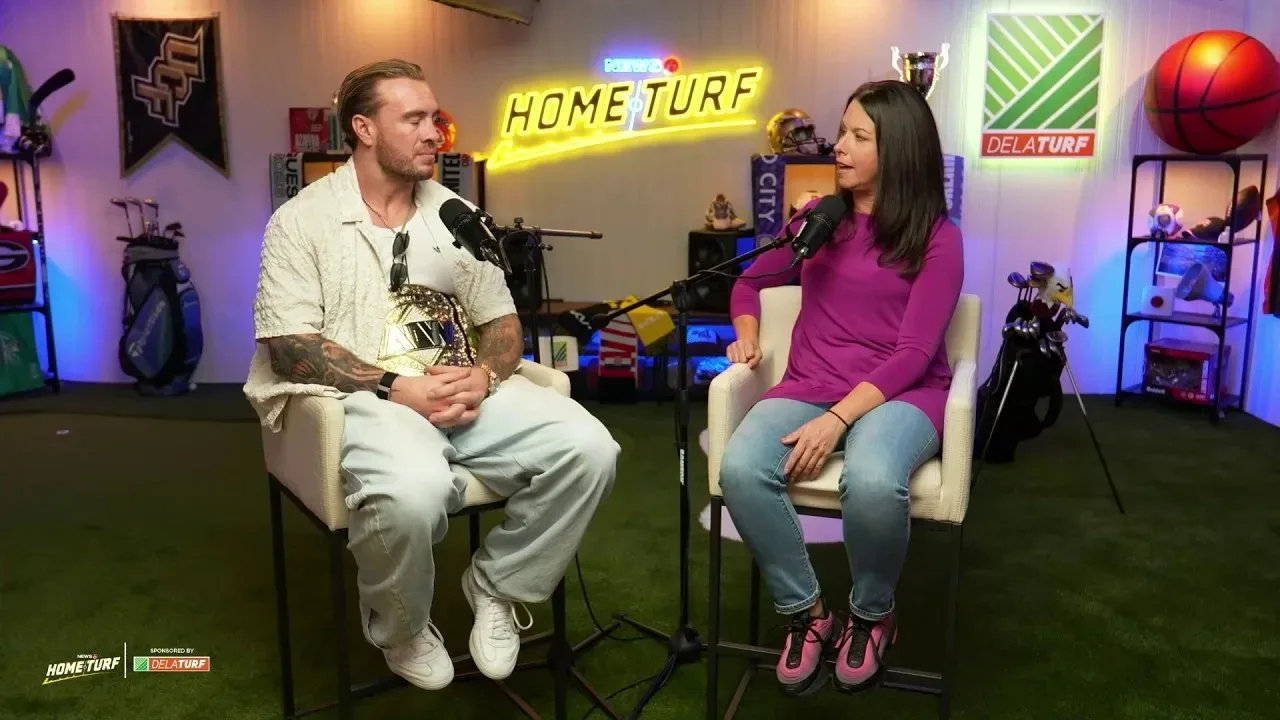
Will Ospreay’s relationship with professional wrestling has always been defined by intensity, ambition and a clear love for the craft. Ahead of AEW WrestleDream, Ospreay again made it clear that wrestling is not simply a job to him. In his view, it is something he would pursue under virtually any circumstances.
Speaking with WKMG News 6, Ospreay discussed how fortunate he feels to work in an industry that has been central to his life for years. The AEW star said he would still find a way to wrestle even in an extreme hypothetical scenario where professional wrestling was suddenly outlawed.
“I’m so blessed to be able to be in this position, to be able to just do something that… I love doing,” Ospreay said. “Like I’ve said it so many times, if wrestling became like illegal tomorrow, like I’d be in my garden wrestling.”
Ospreay took the idea further with a characteristically animated description of what he might do if he were unable to wrestle openly. He said he would happily become “the criminal mastermind” behind an underground, mafia-style wrestling promotion. The remark was made humorously, but the point behind it was unmistakable: his attachment to wrestling runs far deeper than the opportunities, exposure and major-event settings that come with being one of AEW’s biggest names.
For more background on this topic, read Will Ospreay Backs Up Cardio Claim With Last-Second Clockwork Carnage Win At AEW WrestleDream.
Wrestling Has Been Part of Ospreay’s Identity From the Start
Ospreay’s comments fit the story he has told throughout his career. Long before performing in front of major crowds or competing on internationally televised cards, he was a fan who wanted to get into the ring any way he could. His earliest experiences included wrestling in his back garden on a trampoline, followed by time spent developing his abilities in backyard wrestling promotions before he began formal training.
That background matters when assessing why Ospreay speaks about wrestling with such personal investment. For many performers, professional wrestling becomes a career after years of training and opportunity. In Ospreay’s case, the desire to participate predates the professional stage. The ring, the athletic challenge and the opportunity to create a match have long been things he actively sought out rather than merely aspects of his current employment.
His rise from those beginnings has made him one of the most recognizable wrestlers of his generation. Ospreay became known for an explosive in-ring approach that blended speed, aerial offense, precision and a willingness to take on high-pressure matches. Over time, the discussion around his work expanded beyond athletic spectacle to include the stakes, emotion and competitive edge he brings to prominent bouts.
That evolution has helped make Ospreay a major figure in AEW, where he has continued to operate in a spotlight filled with established names and emerging talents. Yet his latest comments suggest he does not view wrestling as something dependent on a particular company, arena or level of production. The appeal is in wrestling itself.
A Lighthearted Hypothetical With a Serious Message
There is no indication that Ospreay expects professional wrestling to face anything like the fictional ban he described. His underground-promotion line was plainly an exaggerated, playful answer. Still, it offered a concise window into his mindset.
At a time when top-level wrestlers often discuss goals in terms of championships, main events, dream opponents or contractual milestones, Ospreay’s answer focused on the basic act of continuing to wrestle. The scenario stripped away the usual trappings of the industry. There was no discussion of television exposure, major venues, title belts or business competition. Instead, Ospreay pictured himself back in a garden, still trying to make wrestling happen.
That perspective also connects his present position to his earliest days. The idea of returning to a backyard setting was not presented as a fallback born of resignation. Ospreay described it as something he would willingly do because his interest in wrestling is rooted in participation. Whether before a global audience or in a far smaller environment, he sees value in being involved.
His reference to an underground “Mafia wrestling run promotion” added a dramatic image to the answer, but it also underlined his willingness to take responsibility for creating an opportunity rather than waiting for one. That has been a familiar trait in Ospreay’s broader career trajectory. From grassroots beginnings to his current place in AEW, he has built a reputation around taking major challenges and embracing the demands that accompany them.
AEW WrestleDream Provides Another Major Stage
Ospreay made the comments in the buildup to AEW WrestleDream, an event that provides another high-profile platform for one of the promotion’s most dynamic performers. Major shows carry a different level of attention, and Ospreay has consistently shown that he relishes the expectation attached to important matches.
His words ahead of WrestleDream did not focus on a specific opponent, result or title situation. Instead, they spoke to the broader motivation that continues to drive him. That can be particularly notable for a wrestler who has already performed in major matches and experienced the demands of being positioned among a promotion’s central attractions. Ospreay’s answer presented his enthusiasm as something that has not faded with greater success.
In the same interview, Ospreay also joked about being a “cardio machine,” another comment consistent with the way he is often associated with pace and physical output in the ring. His matches have frequently required sustained energy, quick transitions and a style that asks both him and his opponents to maintain a demanding rhythm. The quip was lighthearted, but it aligns with the athletic identity he has cultivated.
For Ospreay, the physical side of professional wrestling is clearly part of the attraction. However, his remarks about continuing even if wrestling were prohibited point to something broader than athletic competition. They emphasize the creative and emotional pull of the industry: the desire to perform, to build a match and to remain connected to the environment that shaped his life.
The Value of Unfiltered Passion
Professional wrestling has always relied on performers who can make audiences believe that the ring matters to them. That belief can be communicated through promos, match quality, rivalries and emotional reactions to wins or losses. It can also emerge in unscripted conversations, especially when a wrestler speaks less about a particular angle and more about why they chose this path in the first place.
Ospreay’s description of becoming an underground wrestling promoter belongs to that second category. It was not a conventional promise about defeating an opponent or conquering a division. It was a personal statement, delivered with humor, about the place wrestling occupies in his life.
That kind of passion does not guarantee a result at WrestleDream or determine what comes next for Ospreay in AEW. It does, however, help explain the intensity that has followed him from his early backyard experiences into the biggest environments of his career. He has repeatedly presented himself as someone who wants to test his limits inside the ring, and his latest comments indicate that the desire would remain even if the circumstances around him changed completely.
For now, Ospreay does not need to operate from a garden or construct an underground promotion to stay close to the sport he loves. He remains on a major AEW stage, heading toward WrestleDream with the attention that comes with being one of professional wrestling’s most compelling athletes. But if his comments are any indication, the setting has never been the essential part of the equation. For Will Ospreay, wrestling is the point.

Darryl Polo
Darryl Polo is a passionate wrestling fan covering WWE, AEW, TNA and beyond. He loves great rivalries, breakout stars and the moments that keep fans talking long after the bell. How we work.