
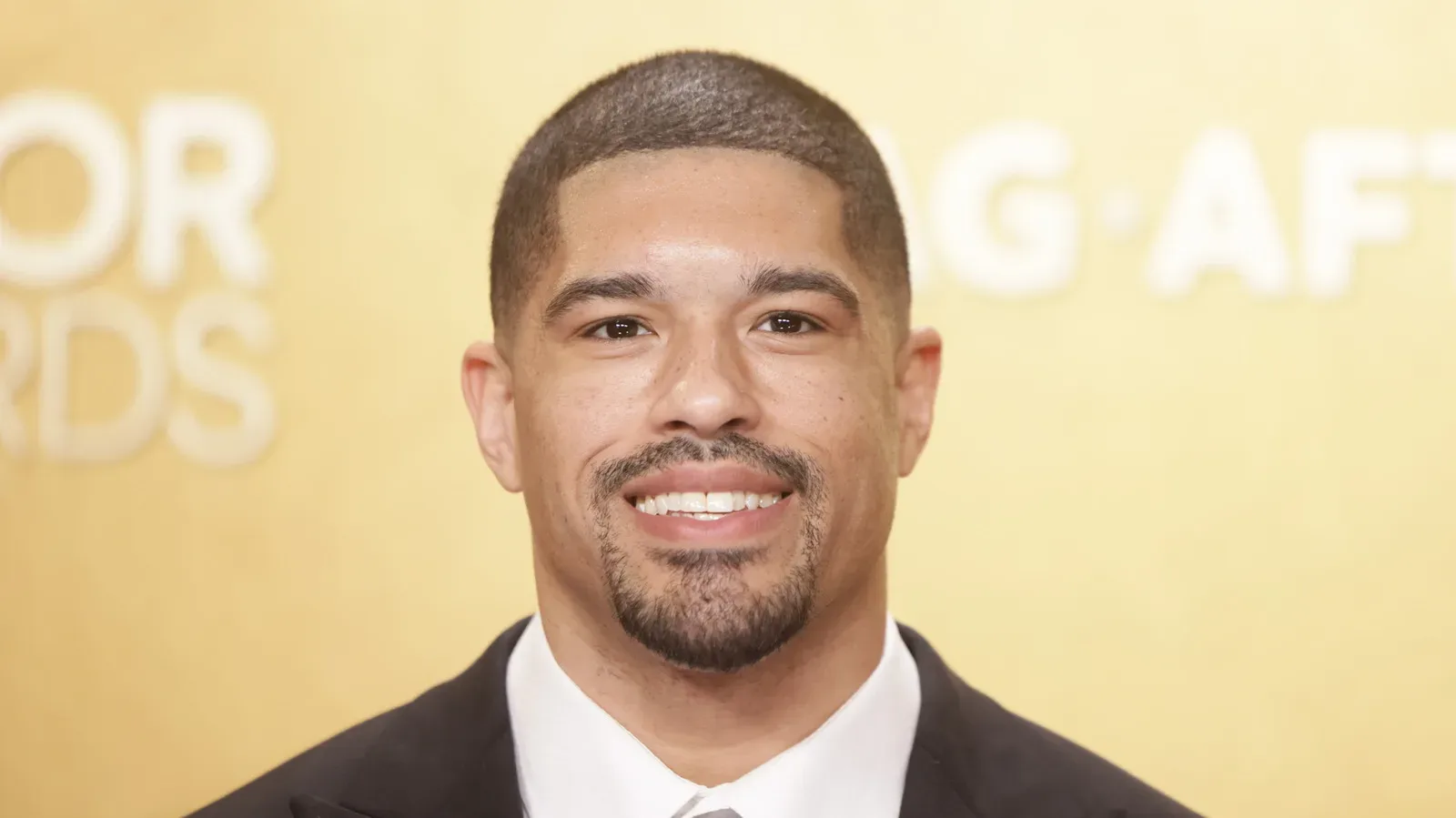
Anthony Bowens has offered a very different interpretation of the turbulent period that followed The Acclaimed’s split in early 2025, arguing that the apparent struggles of his singles return were not an accidental failure of direction.
From the outside, Bowens’ post-Acclaimed trajectory appeared difficult to read. His babyface singles presentation did not lead to the major victories many fans expected, and the story soon seemed to pivot toward a reversal in which Max Caster became more sympathetic while Bowens embraced a more antagonistic attitude. The former partners ultimately found themselves reluctantly functioning as a team again, creating the impression that AEW had moved away from the original split plan.
But Bowens says the roughness of that path was intentional. Speaking with the Michael Fairman Channel, Bowens explained that the negative reaction to his return and his inability to secure key wins were meant to become the fuel for a character transformation.
“They think the return was a flop, which it wasn’t,” Bowens said. “It was made to be that way so I could go off the deep end, blame Billy for my not being able to win the big matches, blame the fans for choosing Caster over me, adding to his delusion of being the best wrestler alive. And then I would go into what the Pride of Pro Wrestling was.”
For more background on this topic, read Tony Khan Addresses Kairi Sane’s Free Agency, Says He Is ‘Very Intrigued’ by AEW Possibility.
The comments shed light on the intended motivation behind Bowens’ “Pride of Pro Wrestling” identity. Rather than simply being a sudden heel change or a reaction to audience preference, Bowens described the character as someone who believed his work had been underappreciated. The frustration was meant to build from his perception that he was being passed over, both for what he had done in the ring and for his efforts outside it.
A Story Built Around Frustration
Bowens’ explanation centers on a familiar wrestling premise: a performer who sees himself as deserving of acclaim, only to become increasingly bitter when the audience does not validate that belief. What makes the situation more complicated is that the character’s resentment was tied directly to several of the people closest to him in AEW.
Billy Gunn was positioned as one target of Bowens’ anger, with Bowens saying he was supposed to blame Billy for his inability to win the biggest matches. Caster was another essential piece of the equation. As fans gravitated toward Caster, Bowens’ character was meant to interpret that response as proof that he had been unfairly overlooked. That perceived slight would then feed the growing delusion behind his claim to be the best wrestler alive.
In that context, a disappointing return was not meant to be a dead end. It was supposed to be the inciting problem of the story. Bowens was not being presented as a triumphant singles star whose momentum simply stalled; he says the plan was for the setback itself to push him toward an increasingly unstable and self-absorbed persona.
That distinction matters because fan reaction frequently defines whether a wrestling angle is judged as successful. When a highly anticipated return receives a muted response, or when a wrestler loses important matches shortly after separating from a popular team, it is natural for viewers to see those outcomes as evidence that the act has lost momentum. Bowens, however, maintains that the audience was seeing a deliberate descent rather than an unplanned derailment.
The Acclaimed Dynamic Remained Central
The Acclaimed’s breakup created the emotional foundation for this chapter of Bowens’ AEW run. Bowens and Caster had been linked so closely as a team that any effort to distinguish their individual identities was always likely to invite comparison. That comparison became especially meaningful when fans appeared to favor Caster during their separation.
Bowens’ account suggests that AEW was prepared to use that imbalance as part of the drama. The character would not merely be upset about losses; he would feel that the fans had made a choice between him and his former partner. The resulting bitterness would make Bowens’ turn feel personal, as he saw Caster receiving the appreciation that he believed should have been his.
It also explains why a reluctant reunion between Bowens and Caster could fit into a broader narrative rather than necessarily signaling that the split had been abandoned. A partnership rebuilt under tension is very different from a seamless return to the old status quo. If Bowens was carrying resentment toward Caster, Billy Gunn, and the audience, any reunion would come with unresolved conflict at its center.
Bowens did acknowledge that the story did not progress entirely as he would have preferred. Still, he was clear that the early portion of the direction—the troubled return, the losses, the frustration, and the move toward the Pride of Pro Wrestling persona—was what had been planned.
Real Emotions Behind the Character
One of the more revealing parts of Bowens’ comments was his description of the emotional material he brought to the role. He said the character drew from genuine feelings about recognition and the desire to receive credit for his contributions.
“It was a lot of, like, real emotions balled up,” Bowens said. “And I was trying to bring it to screen. But you know, what happened happened. And you know, I don’t like to dwell on anything. I’m with The Opps now, and hopefully...well I was with The Opps. We’ll see how things work.”
That statement adds another layer to Bowens’ explanation. He was not presenting the character simply as an abstract villainous concept. The frustration over feeling overlooked was rooted in emotions that he felt were real enough to translate into an on-screen performance. Wrestling stories regularly borrow from a performer’s actual experiences, but Bowens’ comments indicate that the Pride of Pro Wrestling direction was specifically designed to channel a sense of being undervalued.
At the same time, he did not portray the entire period as an untouched creative success. His wording leaves room for the reality that plans can shift and that a wrestler’s preferred version of a story does not always reach its full destination. Bowens’ central point is narrower: the start of the angle was not an error. The frustration visible on television was meant to serve a purpose.
An Uncertain Next Chapter
Bowens’ reference to The Opps also introduces uncertainty about what comes next. He first said that he is with the group, then immediately corrected himself by saying he was with The Opps before adding, “We’ll see how things work.” The phrasing does not provide a definitive answer about his future alignment or AEW status, but it does suggest that the situation remains unresolved.
That uncertainty is particularly notable because Bowens discussed his AEW direction in the context of becoming a free agent. He did not definitively state that his time with the company is over. Instead, his comments leave open the possibility that there is still more to be determined regarding where he fits after the Pride of Pro Wrestling material, his connection to Caster, and his association with The Opps.
For fans who viewed Bowens’ singles run as a quick collapse after The Acclaimed separated, his explanation reframes the key creative beats. The losses, the fan preference for Caster, and the frustration directed toward Billy Gunn were, in Bowens’ telling, building blocks. They were designed to move him away from a straightforward babyface return and toward a character who believed he had been denied the recognition he deserved.
Whether the complete vision ultimately played out as intended is a separate question, and Bowens himself conceded that it did not all unfold exactly as he wanted. But he has made his view of the early direction clear: the apparent failure was part of the story. The objective was not immediate triumph. It was to give Anthony Bowens a reason to unravel.
In pictures

Darryl Polo
Darryl Polo is a passionate wrestling fan covering WWE, AEW, TNA and beyond. He loves great rivalries, breakout stars and the moments that keep fans talking long after the bell. How we work.