
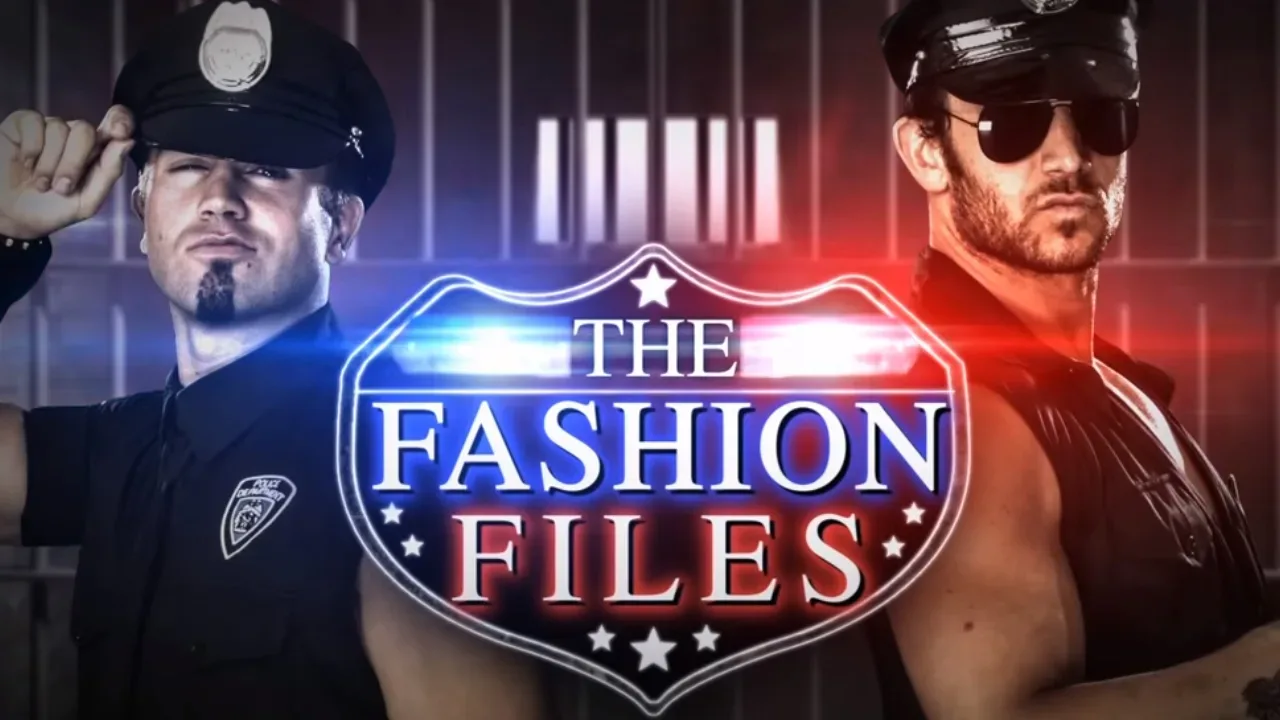
Tyler Breeze says the creative freedom behind The Fashion Files was unusual even by the standards of the people making it. And he isn’t just talking about what he and Fandango were allowed to do on camera. In an interview with MuscleManMalcolm, Breeze credited the writers with turning an idea into a recurring WWE SmackDown feature without the constraints he says usually come with that kind of work. The result, in his view, was a comedy that felt natural rather than like a wrestling show trying too hard to land a joke.
The Fashion Files began airing on SmackDown in May 2017, with Breeze and Fandango carrying the segments into the beginning of 2018. Breeze looked back on the run as a collaboration. His rapport with Fandango was central to it, but so was having a clear direction and bringing in people who could give the pair something different to play off. The Ascension, in particular, stood out to Breeze for being far funnier in the segments than viewers might have expected.
Breeze says the writers had room to run with the idea
Asked about what went into the series, Breeze began with how much latitude the people behind it had. “A lot went into it, and a lot of freedom that people don’t normally get,” he said. He immediately made clear that the freedom wasn’t reserved for the two wrestlers at the center of the segments, extending the credit to the people responsible for what he called the “genius writing” behind them.
“They kind of had an idea, and they got to run with it, which doesn’t happen often.”
For more background on this topic, read Charlotte Flair Pitched a ‘Dark Queen’ Reinvention for Her WWE Return.
That distinction matters because there are two different kinds of creative freedom in Breeze’s account. One is the room the writers had to follow through on the idea. The other is the room the performers had to bring their own chemistry to it. Breeze didn’t describe the series as a case of two wrestlers being left to make their own fun. He credited the writing and the direction alongside what he and Fandango were able to do together.
Nor did Breeze present the freedom as a substitute for a plan. He singled out “the right direction of where you’re going” as one of the ingredients that made the series work. For a recurring segment, that balance is useful: a clear premise gives viewers a reason to recognize and return to it, while the people making it have enough room to find a new joke rather than repeat the last one. Breeze’s recollection puts as much weight on getting that balance right as it does on being given permission to try something unusual.
Fandango gave Breeze a partner he could play off
Breeze called Fandango “a guy who’s really funny,” but his explanation went beyond one performer’s ability to deliver a line. The important part was getting the two of them to “bounce off each other.” That is a different skill from making a funny entrance or getting a laugh in a solo promo. In a scene built around two people, one performer’s reaction can be as important as whatever the other person just said.
It also helps explain why Breeze was wary of making the comedy sound easy to reproduce. A premise can be carried over from one segment to the next, but the rhythm between the people delivering it is harder to duplicate. The way Breeze tells it, The Fashion Files had a pair who could make the material work together, and the series became stronger once it had other performers who could change the rhythm without taking away what made that pairing funny.
The Ascension brought an unexpected comic element
When Breeze got to the people who joined him and Fandango, he made a point of naming The Ascension. They weren’t necessarily the wrestlers someone would think to cast in a comedy segment, which was precisely what made their contributions worth highlighting. “They were actually really, really, really funny in there, and they added a lot to it,” Breeze said.
The contrast gave the comedy something to work with before anyone had to sell a punch line. Viewers could bring one set of expectations to The Ascension and get something different when they appeared alongside Breeze and Fandango. But Breeze’s praise wasn’t limited to the novelty of seeing them there. He credited them with being funny in their own right. In his telling, they were part of why the ensemble worked rather than simply a surprising choice to put in the same segment as the leads.
That is also where the casting and writing come together in Breeze’s account. Adding people to a recurring sketch can make it busier without making it better. The Ascension gave Breeze and Fandango a different dynamic instead of simply giving them more company. Breeze counted those contributions alongside the writers’ latitude when explaining why the finished segments felt like something WWE hadn’t done before.
Breeze says the hardest part was making it feel natural
Breeze considers The Fashion Files distinct not just because of its premise, but because he thought it was genuinely funny and that viewers enjoyed it. He said he didn’t think it had really been done before or since in that sense. That was his assessment of the finished work, not a claim that WWE had stopped putting comedy on television. The harder feat, as he described it, was getting the laughs without slipping into what he called a “we’re trying too hard phase.”
There’s a tension in that recollection: a lot of work went into making the segments, but the audience wasn’t supposed to feel that work every time a joke landed. Breeze’s explanation returns to the same concrete pieces: writers who could stick with an idea, a partner he trusted to play off him and additional performers who brought something the leads couldn’t supply on their own.
In a separate recent interview, Breeze also discussed pitching a possible team with Xavier Woods. His comments about The Fashion Files, though, were a look back at a partnership that had already found its footing on SmackDown. For Breeze, the lesson of that run wasn’t simply that WWE should give performers more freedom. It was that the freedom reached the writers as well as the cast, and that the people given that room knew what to do with it.

Darryl Polo
Darryl Polo is a passionate wrestling fan covering WWE, AEW, TNA and beyond. He loves great rivalries, breakout stars and the moments that keep fans talking long after the bell. How we work.