
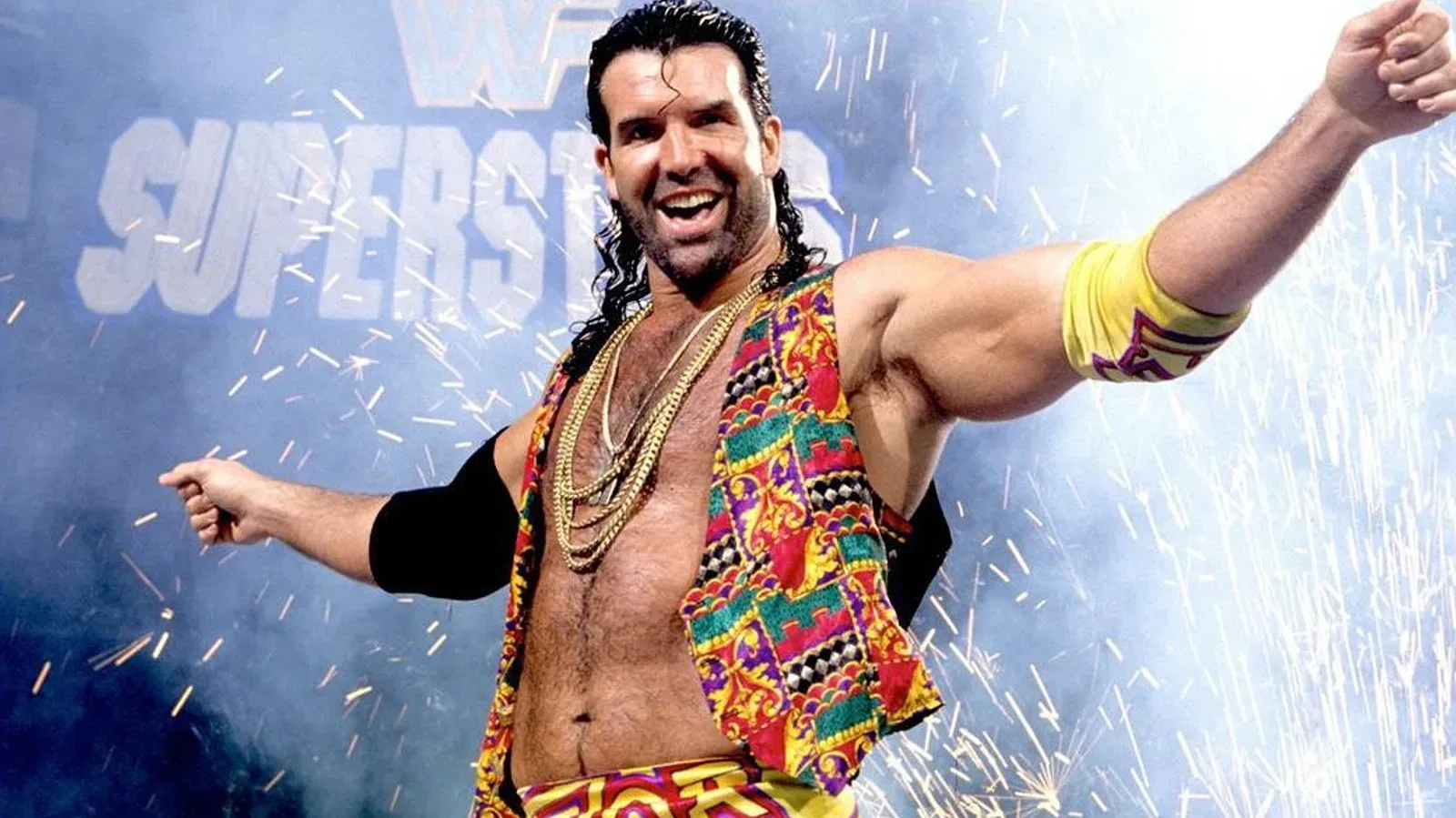
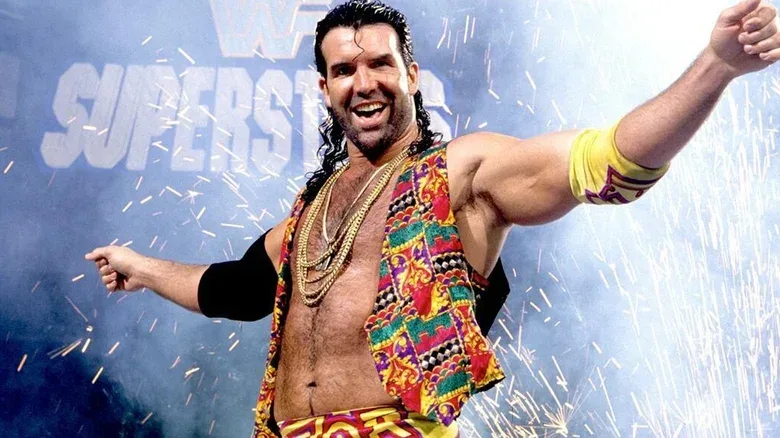
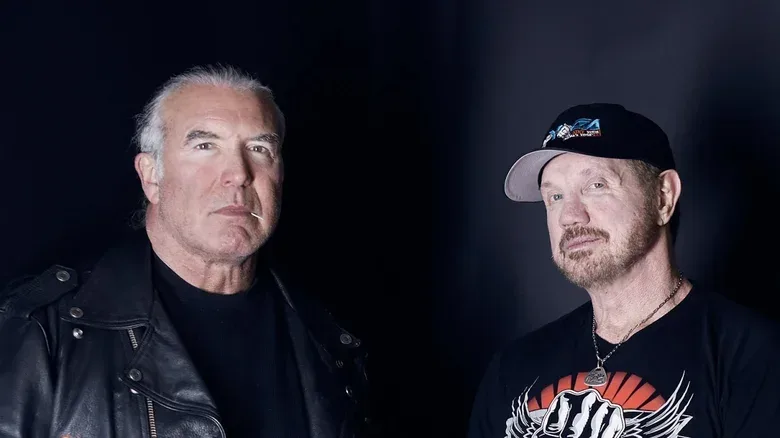
Diamond Dallas Page remembers the moment Scott Hall showed up at his door without the mustache he had worn since he was 15. Page had talked him into shaving it during a phone call at 2 a.m., and Hall had gone through with it by the following day. On What's Your Story? With Steph McMahon, Page recalled taking one look at his friend and thinking, “I open the door, and I see Superman.” He also knew what he wanted to change next: Hall's hair.
Page told the story while discussing his role in getting Hall ready for Razor Ramon, the character that became one of the defining personalities of WWE's New Generation Era. Hall's ladder match against Shawn Michaels at WrestleMania X remains a touchstone for fans of that period, but Page's account focused on the decisions that helped make Razor recognizable before the bell even rang. The black hair and clean upper lip started as suggestions from a friend, not as features Hall was particularly eager to adopt.
DDP pitched Elvis hair and found inspiration in George Michael
For the hair, Page had a specific reference in mind. He asked Hall what he thought about dyeing it “like Elvis blue-black.” Hall hesitated. Page responded with a crack about Hall's other option being a trip to Home Depot. As Page remembers the exchange, that was enough to get Hall to agree. The Elvis reference was about the color: Page wanted a darker, more striking look, and he would eventually take Hall to get it done.
The idea for the mustache came from a different performer. Page was watching television in the middle of the night when he saw George Michael in a patent leather outfit with a five o'clock shadow. It wasn't simply the clothing that got his attention. Page remembered how handsome Michael looked with that bit of stubble, and the image convinced him that the mustache Hall had been wearing was getting in the way of the look he had in mind.
For more background on this topic, read Mark Henry Open to Joining Royce Keys and The 946 on One Condition.
Page didn't wait until morning to tell him. Hall, in Page's telling, was less than thrilled to be getting a call at that hour, especially when he found out what Page wanted. “You got to shave that Walrus Mustache, bro!” Page recalled telling him. Hall protested that he had worn it since he was 15. Page treated that as an argument for shaving it rather than keeping it. By the time Hall turned up the next day, the mustache was gone.
That was the change that prompted Page's Superman comparison, but he wasn't ready to stop there. Page recalled telling Hall that the hair still wasn't right and taking him to the woman who colored it jet black. He then pulled Hall's hair back into a ponytail. With the mustache gone and the hair tied back, Page could start putting together the rest of the outfit around a face that already looked different to him.
Hall's makeover got a reaction at WCW's Center Stage
Page supplied much of the wardrobe himself. He remembered putting Hall in round black sunglasses, a long coat made of lamb and a bright blue tank top so tight that it looked painted on. For the pants, he lent Hall his own Cavariccis, which he described as baggy Hammer pants. Hall finished the outfit with a pair of loafers Page had told him to bring. The fitted shirt and loose trousers made for a distinct silhouette, and the sunglasses and ponytail completed a look that went well beyond a trip to the barber.
The first reaction Page described wasn't from a WWE crowd. The two walked into Center Stage, where WCW filmed, and Page says nobody recognized Hall. “No one recognized him; no one!” he recalled. Page said the experience unsettled Hall, who was struck by the fact that he could walk into a familiar wrestling setting and go unrecognized. For Page, the reaction showed just how much a change in grooming and clothes could do, even before Hall had to say a word in character.
That episode also draws a useful distinction between the makeover and the finished Razor Ramon presentation. Page described a specific outfit he assembled for that outing. His story doesn't suggest that every item he picked out became part of Hall's WWE gear, or that he alone devised the character. What he takes credit for is helping Hall get ready for the role, and the Center Stage visit is the example he gave of how dramatically the appearance had changed.
The swagger stayed with Hall after Razor Ramon
Fans who remember Razor Ramon from WrestleMania X know that a look was only part of what made Hall stand out. The ladder match with Michaels is an enduring highlight of the era because of what the two did in the ring. The makeover story answers a different question: how Hall arrived at a presentation distinct enough that, in Page's recollection, people at a place where he had worked didn't immediately know who they were looking at.
Hall's later run in WCW made the difference between the presentation and the performer even clearer. He dropped Razor Ramon's accent, but the swagger that WWE audiences had come to associate with the character carried over. Hall could lose a conspicuous part of the act and still move and carry himself in a way fans recognized. Page could recommend a hair color and lend him a pair of pants; the manner that made the look work in front of a wrestling crowd was Hall's.
Page framed his involvement as part of a friendship that extended beyond that transformation. He said the two had long looked out for each other and helped one another, and he pointed to getting Hall ready for Razor Ramon as an example. That closeness comes through in the details of the story: Page thought nothing of calling in the middle of the night to argue for a shave, and Hall, after reminding him how long he'd had the mustache, showed up the next day without it. One of WWE's most familiar looks owed part of its start, in Page's telling, to Hall trusting a friend enough to give up a look he'd had since his teens.
In pictures

Darryl Polo
Darryl Polo is a passionate wrestling fan covering WWE, AEW, TNA and beyond. He loves great rivalries, breakout stars and the moments that keep fans talking long after the bell. How we work.