
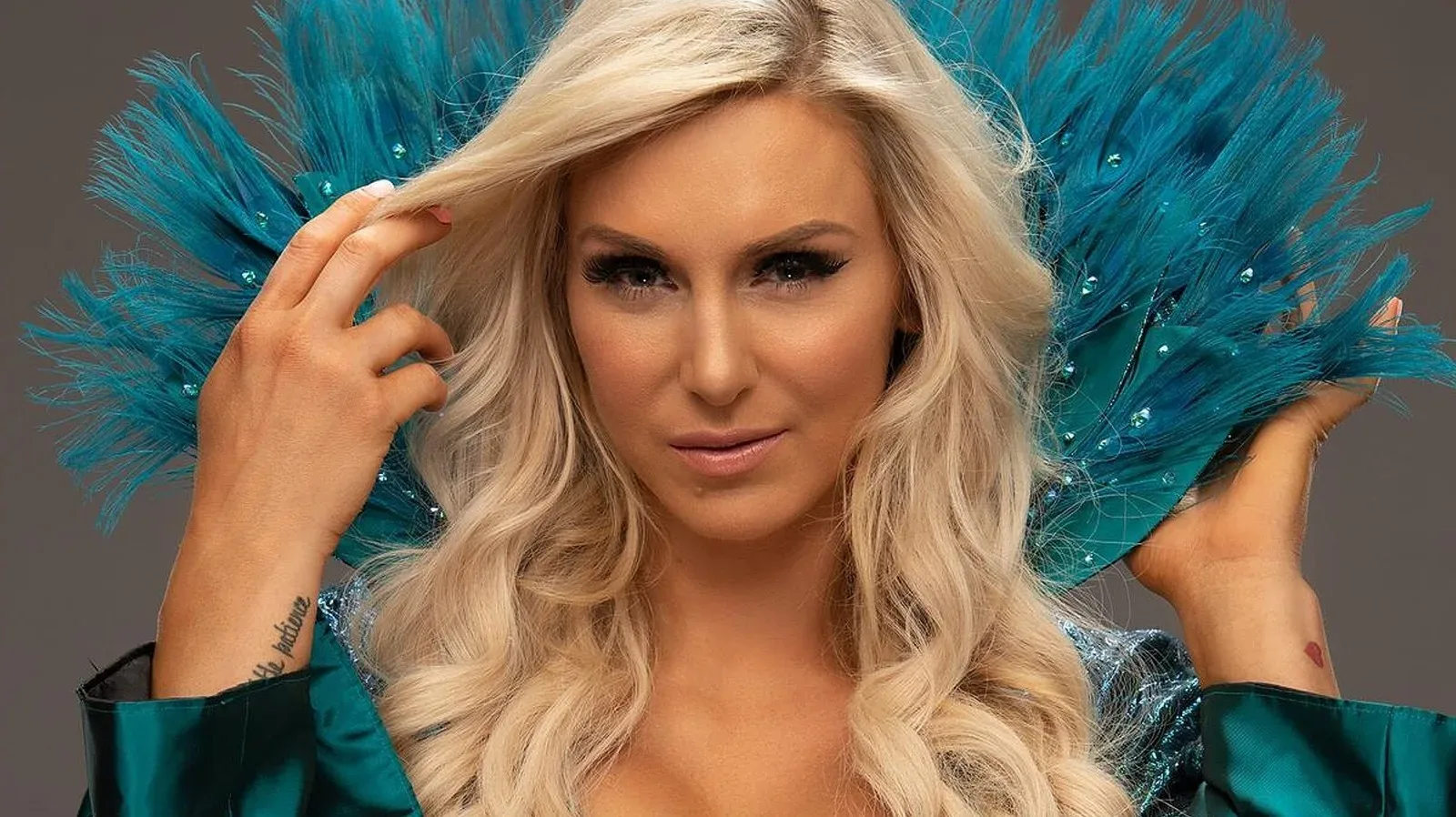
Charlotte Flair wanted WWE fans to see something different when she returned from a knee injury. Instead of coming back with the same look she had spent years establishing, Flair considered changing her hair and leaning into a version of her character she called the “Dark Queen.” She discussed the pitch on INSIGHT with Chris Van Vliet, explaining that an unusually long stretch away from the ring gave her a reason to rethink how she wanted to be presented.
WWE didn’t go with the version Flair had in mind. But the pitch offers a glimpse of what she wanted out of her comeback: a change fans could recognize the moment she walked out. The change that did take hold was less visible. Flair says she still trusts what she can do in the ring, but she has become more selective about when she does it.
Flair wanted the comeback to look different
Flair described the knee injury as frightening and said she spent part of her time away pitching ideas for her return. Her vision didn’t line up with WWE’s. “I wanted to come back like this Dark Queen persona, like totally different,” she told Van Vliet. Dark hair was one possibility, not a settled part of the makeover. As she explained it, she had never been away for that long and wanted to use the break to try something new.
The name itself would have kept a connection to the character WWE audiences already knew. Flair wasn’t talking about dropping the Queen identity altogether; she was imagining what a darker version of it might look like. Beyond the potential hair change, she didn’t spell out what the character would have done on television. There’s no indication from her account that the pitch came with a set storyline, a planned opponent or a specific alignment.
For more background on this topic, read Jacy Jayne Says She Earned Her WWE SmackDown Call-Up: ‘I Was Completely Ready’.
That visual change would have carried particular weight for Flair. Her presentation has long incorporated nods to her father, Ric Flair, from her entrance robes to the Figure-Eight Leglock, her variation on his signature hold. Those details help identify her before a promo or match has had time to establish much else. A different look could have signaled a new direction right away without asking fans to forget who they were watching.
Flair didn’t explain why WWE saw her return differently or suggest that the “Dark Queen” might still appear. What she did make clear was that the idea came from her. After an injury dictated how long she would be away, the look of her comeback was something she could imagine doing on her own terms.
Her in-ring adjustment was about timing, not confidence
Flair drew a distinction between how intimidating the injury was and how she felt about her ability afterward. She said the time away didn’t undermine her confidence as a wrestler. What changed was the way she decides which moments call for the biggest moves. “It’s more now, just being more selective. Work smarter, not harder,” she said on INSIGHT.
That doesn’t mean she intends to leave the bigger spots out of her matches altogether. Flair said she would rather save them for premium live events or other bigger shows. In other words, the decision is less about whether she has a particular move available and more about whether the match needs it that night. A spot held back in one setting can still be there when the stakes or the audience make it worth using.
It’s a different kind of change from the one she pitched for her entrance. Fans would have picked up on dark hair immediately; they might only notice a shift in her match choices over several appearances. Flair’s explanation also leaves room for the kind of performances audiences expect from her. She isn’t promising a wholesale change in style, and she didn’t say that her knee had put a particular move off-limits. She framed it as a choice about when to use the tools she already has.
Her remarks give the injury a place in the story of her return without making it the whole story. The layoff prompted her to consider changing what fans saw, while the experience of getting back in the ring led her to change how she approaches a match. One needed WWE to share her vision for the character. The other is a principle Flair says she can apply whenever she wrestles.
Flair has singles gold in mind for 2027
Flair put her return in a broader context in a separate interview with Going Ringside. She acknowledged that the year had gone by without a singles title run, but she didn’t describe that as a wasted stretch. Instead, she saw it as a chance to reconnect with fans. That was a different measure of progress from the one that usually follows a wrestler whose career has been so closely associated with championships.
A title win gives a comeback a clear milestone. Reestablishing a connection with an audience takes more than one result, and Flair’s comments suggest she was willing to judge the year on those terms. The reception she wanted to rebuild didn’t depend on WWE approving a new persona or putting a singles championship around her waist. She had the chance to work on it through her appearances once she was back.
Flair isn’t treating that as a substitute for another title run, though. She told Going Ringside that she wants to win championship gold again in 2027. She didn’t announce a match, identify a belt she would pursue or offer a timetable beyond the year she’s targeting. It was a statement of ambition, not a preview of WWE’s booking.
For now, the “Dark Queen” remains the version of the comeback that Flair imagined rather than the one fans saw. Her interviews point to a more practical evolution: keep the identity audiences recognize, be choosier about the biggest moments in a match and give the audience time to get invested again. She spent the past year valuing that connection without a singles title run. In 2027, she wants the championship back in the picture.
In pictures

Darryl Polo
Darryl Polo is a passionate wrestling fan covering WWE, AEW, TNA and beyond. He loves great rivalries, breakout stars and the moments that keep fans talking long after the bell. How we work.