
AEW’s tribute edition of Dynamite for PAC was reportedly designed around one central priority: honoring Benjamin Satterley rather than advancing the company’s immediate business agenda.
Following the death of Satterley, the wrestler known worldwide as PAC, AEW dedicated the previous Wednesday’s episode of Dynamite to his life and career. The show featured emotional reflections from performers who knew him closely, a match between Will Ospreay and Ricochet that carried clear creative significance, an impassioned speech from Jon Moxley, and the startling sight of Bryan Danielson coming out of retirement.
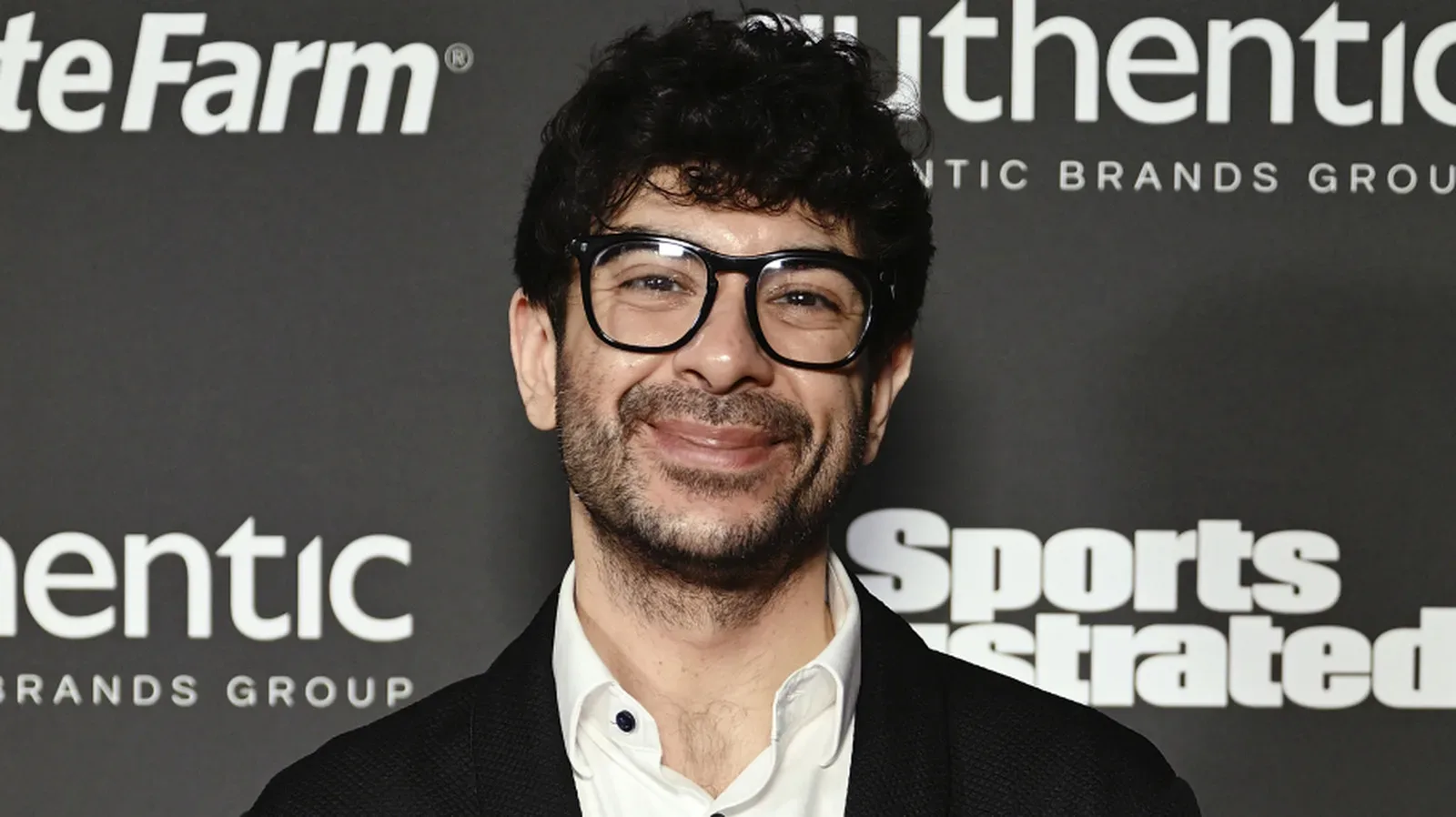
Behind the scenes, AEW President Tony Khan was reportedly firm that the broadcast should not be interrupted by standard plugs for upcoming events. That reportedly meant no pay-per-view promotion, no push for the following Saturday’s Collision, and no conventional storyline angles intended to build future matches. The decision appears to have required AEW to substantially rework plans for the episode on short notice.
Rather than treating the tribute as another stop on the promotional calendar, AEW reportedly approached it as a night set apart from the company’s usual television format. In wrestling, where weekly programming is normally constructed to direct viewers toward the next major card, that is a notable choice. It put the focus on PAC, his colleagues’ memories of him, and the impact he left on the promotion and the industry.
For more background on this topic, read Will Ospreay Calls PAC Tribute Match With Ricochet One of the Hardest of His Career.
A Show Built Around Remembrance
The circumstances made the presentation especially significant. PAC was not simply a recognizable AEW name or a former champion. He was a performer whose intensity, athleticism, and distinctive in-ring style made him one of the most respected wrestlers of his era. His work across promotions gave him a global reputation long before he arrived in AEW, while his performances for the company helped establish him as one of its most dependable high-level competitors.
When a wrestler dies, promotions face a difficult task in trying to balance the reality of live television with the need to acknowledge personal grief. A tribute can easily become overly polished, overly commercial, or too close to the normal rhythms of a wrestling broadcast. AEW’s reported choice to strip out much of its planned promotional material reflects an effort to avoid that problem.
Instead of using the audience’s attention to sell the next event, the episode was structured to give talent space to speak, compete, and reflect in a manner connected to PAC. That approach changed the tone of the show. It was not framed primarily as an episode that happened to contain memorial segments. The memorial itself was the purpose of the episode.
The reported overhaul also underlines how quickly the company had to adjust. Material initially intended for Wednesday was said to have been shifted elsewhere, including the next Collision and AEW’s France dates. Such a change affects more than individual promos or match announcements. It can alter story progression, production timing, wrestler travel, and the pacing of multiple broadcasts that follow.
Ospreay and Ricochet Deliver a Meaningful Match
Will Ospreay and Ricochet’s match was among the most prominent elements of the tribute broadcast. Both men have long been regarded as elite athletes whose high-risk, fast-paced work naturally invites comparisons to PAC’s own style. Their bout was presented as more than a showcase of spectacular wrestling; it served as a tribute to a peer and friend whose influence could be felt in the type of contest they delivered.
PAC’s body of work was defined by a rare blend of precision, aggression, speed, and control. He could be physically explosive without losing the sense that every movement had a purpose. For wrestlers such as Ospreay and Ricochet, a match honoring PAC had the potential to communicate as much through its pace and emotion as through any explicit verbal tribute.
That is one reason a wrestling match can be such an effective part of a memorial show. It offers performers a way to express respect in the medium they shared with the person being remembered. The match does not need to be detached from the night’s sadness to be meaningful. In many cases, its intensity and mutual trust become part of the tribute.
AEW also used voices from throughout its locker room to reflect on Satterley as a person. The distinction matters. PAC was an on-screen character with an unmistakable presence, but the tribute centered on Benjamin Satterley, the colleague and friend behind that character. By allowing wrestlers to address their personal connection to him, the show reportedly maintained a human focus rather than merely celebrating a collection of matches and championships.
Jon Moxley and Bryan Danielson Add to an Emotional Night
Jon Moxley’s promo was another major point of the broadcast. Described as an emotional reflection on life, the speech fit the wider tone of an episode devoted to loss, friendship, and appreciation. Moxley has often been one of AEW’s most direct speakers, and a memorial setting called for honesty rather than a traditional wrestling promo designed to sell a rivalry.
There was also a major surprise in Bryan Danielson’s return from retirement. Danielson’s appearance added a different kind of emotional weight to the show, particularly because his presence was not simply a routine television return. In the context of a PAC tribute, it reinforced the sense that AEW was willing to set aside normal expectations and use the night to bring together people whose connection to professional wrestling and one another carried deeper meaning.
It is important not to confuse that appearance with the type of angle AEW reportedly avoided throughout the evening. A surprise return can be used as a commercial hook, but on this occasion it was presented amid a program built around remembrance. The larger point was not to create a conventional cliffhanger for the next broadcast. It was to make the tribute episode feel like an occasion unto itself.
That distinction also explains why the reported decision not to promote the pay-per-view was so striking. Wrestling television is usually built around momentum. Promos point toward matches, matches create issues, and issues are designed to increase interest in the next show. AEW reportedly chose to pause that machine for one night.
Storylines Resume on Collision
The following Saturday’s AEW Collision returned to the company’s ongoing weekly direction. Jon Moxley, Mercedes Moné, and Samoa Joe were among the stars appearing on that broadcast as AEW resumed the process of moving its active stories forward.
The contrast between the two programs was meaningful. Dynamite was dedicated to PAC and reportedly reconfigured to keep promotion and future angles from taking focus away from the memorial. Collision, meanwhile, carried the responsibility of restoring the usual structure of AEW television and accommodating material that could not be presented on Wednesday.
That kind of programming adjustment can create pressure on the shows that follow. AEW now has to move quickly through its planned material while preparing for an important international week. Yet the decision to make space for the PAC tribute indicates that those logistical concerns were treated as secondary to honoring Satterley properly.
AEW Heads to Paris for Grand Slam France
This week, AEW will present both Dynamite and Collision from Paris, France as part of AEW Grand Slam France, marking the first time the company has brought those events to France. The shows will arrive after an unusually emotional stretch for the promotion, one in which grief and tribute briefly took precedence over the usual promotional demands of weekly television.
Grand Slam France gives AEW an immediate platform to continue the stories that were reportedly postponed or reshaped following the PAC tribute episode. It also represents a major international milestone for the company. Even so, the previous Wednesday’s Dynamite will stand separately from the standard build toward Paris and whatever comes next.
In choosing not to load PAC’s memorial broadcast with advertisements, match announcements, and storyline advancement, AEW reportedly made a clear editorial statement about what the night was meant to be. It was a chance for a wrestling company, its performers, and its audience to pause and remember a wrestler whose impact reached far beyond a single program or promotion.
For one night, the next card was not the story. PAC was.
In pictures

Darryl Polo
Darryl Polo is a passionate wrestling fan covering WWE, AEW, TNA and beyond. He loves great rivalries, breakout stars and the moments that keep fans talking long after the bell. How we work.