
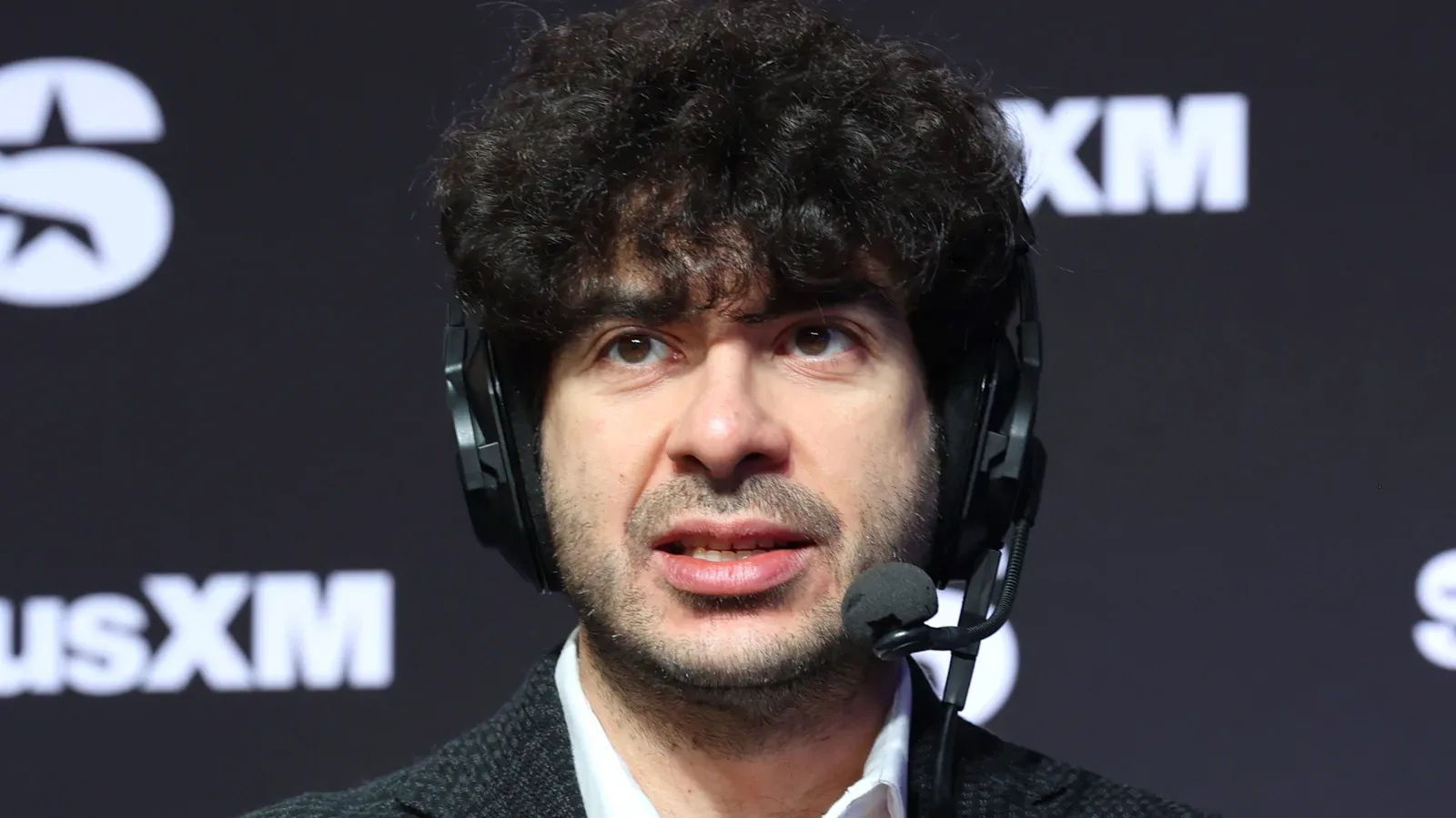
Tony Khan has addressed fresh criticism surrounding Ring of Honor’s weekly presentation, responding directly to a fan who used a July episode of ROH on HonorClub as an example of what they viewed as the company’s current problems.
The exchange centers on a larger conversation that has followed ROH since Khan acquired the promotion: how the brand should balance its own identity, its weekly HonorClub content, pay-per-view events, and its role in developing wrestlers who also appear across AEW programming. While Khan disputed the framing of the criticism, the response also brought renewed attention to concerns from viewers who feel Ring of Honor’s major events and its week-to-week output are being received very differently.
Khan challenges the timing of the criticism
In the initial post, X user Noah Gilbert shared the card for the July 31 edition of ROH on HonorClub and described it as “just an example of the disaster that is going on these days.” Gilbert added that he wanted to see ROH return to its roots and once again run individual shows.
View the referenced post on X
Khan saw the post and took issue with its use of a months-old episode to characterize the promotion’s current direction. His response emphasized that it was already October and that developments following the July 31 show should be considered before making a sweeping statement about where ROH stands.
For more background on this topic, read ROH TV Results (October 5, 2026): Bandido Retains ROH World Championship Against AR Fox.
“‘These days’? It’s October. This tv was in July. Since then, there was an excellent ROH Death Before Dishonor ppv in August. It was widely praised. There was free ROH TV on YouTube last night with tremendous action. You handpicked a tv from months ago and called it ‘these days.’”
The wording of Khan’s post is notable because it does not simply reject the idea that the July card could be criticized. Instead, Khan objected to the timeline used in the criticism. His argument was that a single weekly television lineup from July did not fairly reflect ROH after the August Death Before Dishonor pay-per-view or the more recent programming that aired free on YouTube.
Khan specifically called Death Before Dishonor “excellent” and said the event had been widely praised. In doing so, he pointed to one of ROH’s key strengths in the current model: the ability for the promotion to present major cards that attract substantial attention and positive reactions even as questions continue around the weekly show.
The distinction between pay-per-view and weekly television
Gilbert responded by clarifying that his issue was not with ROH pay-per-views. Instead, he argued that the weekly programming had become largely skippable. He also questioned whether the developmental aspect of the modern ROH concept was accomplishing what it should, saying that if the goal is to develop young talent, it is not working.
That distinction is at the center of much of the discourse around Ring of Honor. A promotion can be praised for the urgency, match quality, and significance of its pay-per-view events while still facing criticism over whether viewers have a compelling reason to follow every installment of its regular show. Khan’s reply focused on recent positive examples, but Gilbert’s follow-up argued that those examples did not answer the specific concern about the weekly product.
For some fans, ROH’s episodic content is expected to function as a destination in its own right. That expectation comes from the company’s lengthy history as an independent wrestling promotion that established its own style, roster identities, championships, and event calendar. The desire for ROH to run individual shows again reflects a wish to see a more clearly separate structure for the brand rather than a presentation that can be perceived as intertwined with AEW’s broader talent ecosystem.
Others may see the current system differently. Weekly ROH programming can offer wrestlers added ring time, a platform for emerging names, and opportunities for performers who may not be featured regularly elsewhere. Khan’s reference to free ROH action on YouTube highlights an effort to put the product in front of audiences beyond the HonorClub subscriber base, while a well-received pay-per-view can provide a high-profile showcase for the wrestlers and titles involved.
Neither side of the exchange establishes an easy answer to the underlying question. The debate is not only about the quality of individual matches or cards. It is about the purpose of the weekly show, the audience it is trying to serve, and how closely today’s ROH should resemble the company that many longtime viewers remember.
ROH’s identity remains a major point of discussion
Calls for ROH to “go back to its roots” are not unusual. The phrase can mean different things depending on the fan using it, but it generally points toward a desire for a more independent identity: dedicated shows, a consistent core roster, storylines that are primarily advanced within ROH, and a weekly program that feels essential rather than supplemental.
The current version of Ring of Honor operates in a different wrestling landscape from the one that built its original reputation. Its relationship with AEW gives it access to a larger overall infrastructure and broader visibility, but it also means the promotion is regularly evaluated through the lens of its connection to AEW. That creates a difficult balancing act. Featuring recognizable talent can make a card feel bigger, while a heavy reliance on crossover appearances can lead some viewers to question where the distinct ROH identity begins and ends.
The developmental issue raised in the exchange adds another layer. Developing younger wrestlers is not merely about giving them matches. Fans who emphasize development may be looking for sustained momentum, memorable rivalries, clear character growth, and evidence that performers are being prepared for larger opportunities. A single strong showing can help, but viewers who are dissatisfied with the process are likely to judge it over months rather than one event or one episode.
Khan’s response did not lay out a long-term creative plan for ROH, nor did it directly address every point raised about developmental effectiveness. It was a short rebuttal to what he viewed as an unfairly dated example. Still, because Khan is the central decision-maker for both AEW and ROH, even a brief social-media reply naturally becomes part of the conversation about the direction of the company.
A different tone from Khan’s earlier online battles
Khan has often been willing to engage publicly with criticism. At various times, he was particularly active on social media when responding to people who took shots at his booking or at AEW. His online exchanges have included responses involving Paul “Triple H” Levesque, Eric Bischoff, and even USA Network after the network poked fun at Khan or creative decisions associated with his promotions.
In more recent periods, Khan has appeared to scale back the frequency of those public back-and-forth exchanges. He has also said publicly that he values social media as a way to understand what AEW’s real fans think about the product, whether the feedback is positive or negative. That perspective leaves room for criticism to be useful while also explaining why he may object when he believes a criticism lacks proper context.
This ROH exchange fits that latter category. Khan did not respond with a broad attack on the fan who posted the July card. He concentrated on the phrase “these days,” arguing that it was inaccurate to use an episode from July as a verdict on ROH in October. The response was nevertheless firm, particularly in its suggestion that the fan had selectively chosen an older show while overlooking more recent programming that Khan viewed favorably.
What comes next for the weekly ROH conversation
The immediate exchange is unlikely to settle the debate over ROH’s weekly presentation. Fans who believe the HonorClub show is easy to skip will continue to look for a stronger sense of consequence from episode to episode. Fans who enjoyed Death Before Dishonor and the recent free YouTube show may see those programs as signs that ROH remains capable of delivering high-level in-ring action and successful major events.
Ultimately, the most meaningful answer will come through the programming itself. If ROH’s weekly episodes build must-see rivalries, establish the next generation of talent, and create a more defined identity between pay-per-views, criticism regarding the show’s relevance may lessen. If viewers continue to regard the weekly content as disconnected from the moments that matter most, the calls for a more traditional standalone approach are likely to persist.
For now, Khan has made his position clear: he does not believe a July television card should be used as a blanket assessment of Ring of Honor in October. The fan response made an equally clear counterpoint: praise for major ROH events does not automatically resolve dissatisfaction with what airs each week. That gap between event-level acclaim and weekly engagement remains one of the most important creative questions facing ROH.
In pictures

Darryl Polo
Darryl Polo is a passionate wrestling fan covering WWE, AEW, TNA and beyond. He loves great rivalries, breakout stars and the moments that keep fans talking long after the bell. How we work.