
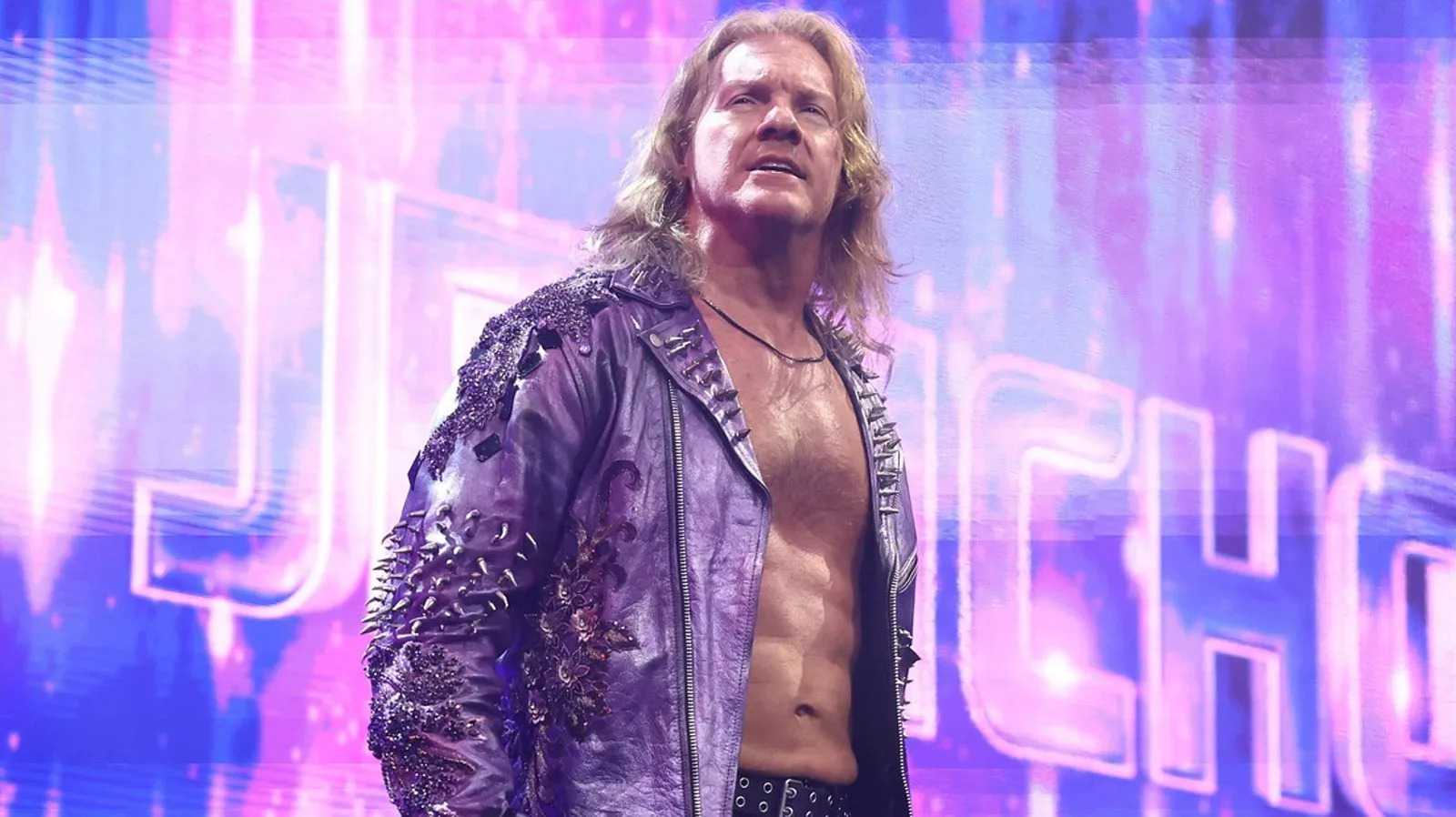
Tommaso Ciampa’s AEW program with Chris Jericho was not simply another major match on the calendar. For Ciampa, the opportunity to work with Jericho carried the weight of a longtime fan finally getting the chance to share a ring with one of the performers he followed growing up.
The rivalry reached its most physical point at AEW Redemption 2026, where Ciampa faced Jericho’s Painmaker incarnation in a No Holds Barred match. Their encounter followed Ciampa scoring a win over Jericho during the Beach Break edition of AEW Dynamite, setting the stage for a more violent and personal escalation at Redemption.
Ciampa has spoken about the appeal of facing the Painmaker version of Jericho in particular. Jericho’s career has been defined by his ability to evolve through distinct characters, and the Painmaker identity brought a more menacing, unrestrained edge to their story. Ciampa viewed that as a natural fit for the direction of the feud and an opportunity to encounter a different side of a wrestler he had admired for years.
A childhood fan gets a major AEW opportunity
Jericho’s longevity has made him a unique opponent for wrestlers from multiple generations. He has remained visible through changing eras of the business while repeatedly adjusting his presentation, from his Lionheart roots to the Y2J period, his various WWE personas, and the darker Painmaker character that has been featured in AEW and elsewhere.
For more background on this topic, read AEW Fright Night Collision Card Adds Dragunov vs. Mortos, Conglomeration vs. The Cut.
For Ciampa, that history made the program more meaningful than a standard television rivalry. He noted that the feud allowed him to work with another chapter of Jericho’s on-screen legacy. The one notable version of Jericho that did not emerge during their issue was Lionheart, meaning Ciampa did not get the complete tour through every major identity associated with his opponent.
That observation also illustrates why the Painmaker was such an effective choice. A rivalry culminating in a No Holds Barred environment needs a character presentation that supports heightened aggression. The Painmaker persona gave Jericho a credible vehicle for a more chaotic match without making the stipulation feel disconnected from the story that came before it.
Ciampa’s own reputation made him a fitting opponent for that role. Throughout his career, he has been associated with intense, emotional bouts and a willingness to embrace a rugged physical style when the stakes demand it. Pairing him with a version of Jericho designed around menace and brutality gave AEW a clear contrast of personalities while also allowing both wrestlers to lean into their strengths.
Beach Break chemistry shaped the Redemption plan
Ciampa also reflected on how quickly the two wrestlers found a rhythm together. Their Beach Break match served as more than an important result in the rivalry; it helped establish the trust and in-ring chemistry needed for the eventual stipulation match.
That kind of early connection can be vital when a story is moving toward a bout involving weapons and major physical risks. Before a No Holds Barred match can succeed, the performers have to understand each other’s timing, positioning, and instincts. Even a limited amount of ring time can reveal whether two wrestlers communicate well and whether their styles complement one another.
Ciampa felt that the Beach Break encounter showed the foundation was there. Once ideas began developing for the Montreal setting at Redemption, he was already confident the match had the potential to be special before the two even arrived at the venue.
The importance of trust was evident in the match’s construction. No Holds Barred wrestling can easily become a collection of weapons shots and spectacles if the action does not have a clear rhythm. The most memorable fights in the stipulation depend on escalation: each major moment should build on the previous one, while the wrestlers maintain the emotional thread that explains why they are willing to endure such punishment.
Ciampa and Jericho’s bout was built around that kind of escalation. Their rivalry went from a key victory at Beach Break to a clash where conventional rules no longer applied. The shift allowed the match to deliver more extreme visuals while preserving the sense that the violence was a direct consequence of the animosity between them.
Barbed wire, thumbtacks and shattered glass
The Redemption match featured several of the night’s most punishing moments. Ciampa was driven through a barbed wire table, a spot that underscored the dangerous tone of the No Holds Barred stipulation. The match also included hockey pucks with thumbtacks glued to them, adding a distinctly cruel weapon to the contest’s arsenal.
Jericho, meanwhile, took a major fall when he was dropped through a glass mirror and a table. The sequence provided a dramatic payoff to the escalating fight and reflected the level of commitment both wrestlers brought to the match.
Those spots are significant not only because of their visual impact, but because they require a great deal of cooperation and confidence between opponents. A barbed wire table, thumbtack-covered equipment, and breakable glass all create a setting in which wrestlers must be especially precise. The purpose is to make the audience believe the feud has reached a point where neither man can walk away unchanged.
Ciampa’s comments about his growing trust with Jericho help explain why the match was able to reach that level. The Redemption contest was not presented as brutality for its own sake. It was the culmination of a program in which both men had established that they could work effectively together, then pushed that connection into a more demanding environment.
Ciampa marvels at Jericho at 55
Perhaps the most striking part of Ciampa’s reflection was his reaction to Jericho’s physical output at age 55. Ciampa, who is 41, acknowledged the toll that this type of match takes and expressed disbelief at Jericho’s ability to continue performing at such an intense level more than a decade later in life than Ciampa himself.
That response speaks to the central reality of Jericho’s career: endurance has become one of his defining attributes. Remaining active at a high level is difficult under any circumstances, but doing so in a match involving barbed wire, thumbtacks, shattered glass, and tables is another matter entirely. The recovery demands of those bouts are substantial, regardless of a wrestler’s experience or reputation.
Ciampa did not frame Jericho’s performance as routine. Instead, he described it as something difficult to comprehend from his own perspective. He made clear that even at 41, the physical punishment associated with this style takes a serious toll on him, making Jericho’s ability to keep pace in his mid-50s all the more remarkable.
It is also a reminder that age alone does not determine a wrestler’s ability to contribute to a major storyline. Every performer’s body, schedule, training, and recovery process are different. In Jericho’s case, the Painmaker feud with Ciampa asked him to participate in a particularly demanding kind of match, and Ciampa came away impressed by how fully his opponent met that challenge.
The value of a rivalry that delivers on its premise
Ciampa’s remarks paint the AEW Redemption match as a program driven by mutual respect as much as storyline conflict. On screen, he and Jericho were engaged in a feud intense enough to require No Holds Barred rules. Behind the scenes, Ciampa found an opponent whose experience, adaptability, and commitment gave him confidence in the match’s possibilities.
That combination is often what separates a memorable violent match from a merely shocking one. The weapons and dangerous visuals matter, but they work best when the wrestlers have developed enough chemistry to make every escalation feel earned. Ciampa’s account suggests that the Beach Break match gave both men the information they needed, while the Painmaker character supplied the ideal framework for the final confrontation.
For Ciampa, the experience also carried a full-circle element. A wrestler who grew up watching Jericho was able to enter a major AEW feud with him, face one of Jericho’s most recognizable modern personas, and test that partnership in a match built around extreme physicality. Though Lionheart did not make an appearance, Ciampa still came away with a rare career experience—and a fresh appreciation for Jericho’s remarkable durability.
In pictures

Darryl Polo
Darryl Polo is a passionate wrestling fan covering WWE, AEW, TNA and beyond. He loves great rivalries, breakout stars and the moments that keep fans talking long after the bell. How we work.