
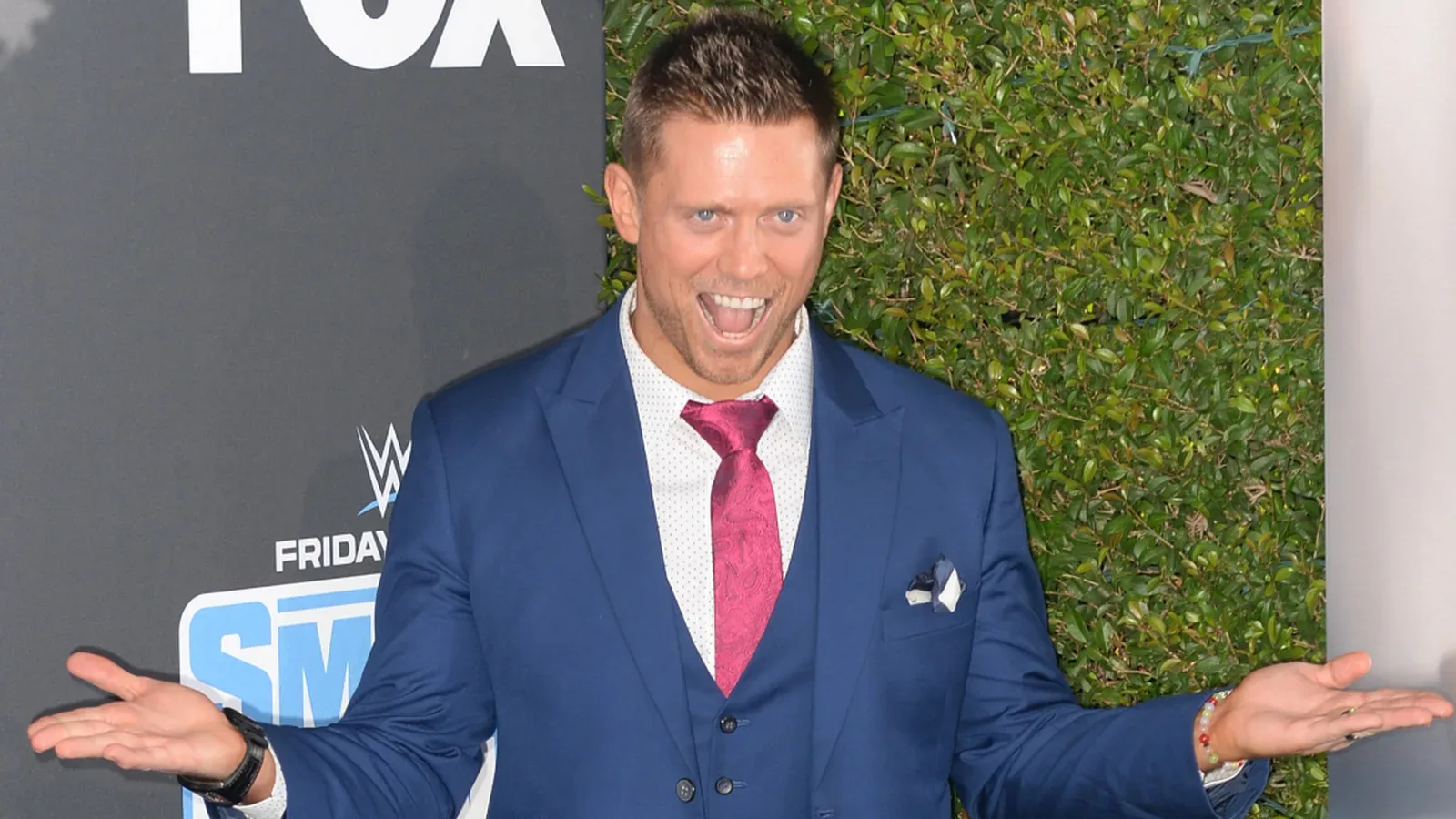
The Miz has never shied away from discussing the difficult road that took him from reality television to becoming one of WWE’s most decorated modern-era performers. Long before he headlined WrestleMania, won the WWE Championship and became a constant presence on major programming, he entered a locker room where many established wrestlers questioned whether a Tough Enough contestant had truly earned his place.
That contentious early period included well-documented hazing and isolation, but The Miz has recalled another occasion in which he and John Morrison generated considerable frustration behind the scenes. It came on the same night the pair captured their first WWE Tag Team Championship together, a milestone that should have been purely celebratory for two rising stars.
Instead, The Miz said the evening had already become eventful before he and Morrison reached the ring for the title match.
An ECW Commentary Segment Set the Tone
At the time, WWE’s ECW programming was taped before SmackDown. The Miz explained during an appearance on WWE Vault that he and Morrison worked commentary on an ECW match, which he believes involved CM Punk, and used the opportunity to aggressively criticize what was happening in the ring.
For more background on this topic, read Charlotte Flair Says Vulnerability Has Changed Her Connection With WWE Fans.
“We used to shoot ‘ECW’ before ‘SmackDown,’ and so me and John Morrison went on ECW — I think it was a CM Punk match — and we went on commentary and we just ripped it apart, and people were upset about that,” The Miz said.
For The Miz and Morrison, that approach fit the personas they were developing. Both performers had a natural arrogance on screen, and their act was built around presenting themselves as more stylish, entertaining and important than everyone around them. That brand of self-assurance helped distinguish them as a team, but it also carried the risk of being interpreted as disrespectful if it crossed from character work into something colleagues felt undermined the rest of the roster.
The Miz’s recollection makes clear that the commentary appearance was not received warmly by everyone backstage. The response was especially significant because he was still working to establish himself as a credible WWE performer. Morrison, who had previously been known as Johnny Nitro, had his own established role within the company, but the duo were still navigating the expectations placed on younger talent in a veteran-heavy environment.
Then came the tag title match, which added a second issue to an already tense night.
Winning Gold Did Not End the Problems
The Miz and Morrison won the WWE Tag Team Championship that night, providing The Miz with his first championship victory in WWE. In retrospect, it was a foundational moment in his career. The Miz would eventually collect championships across nearly every major division in the company, but the first title victory carried understandable personal significance.
WWE had reportedly instructed the new champions to react with the scale and enthusiasm of athletes celebrating the biggest victory of their lives. The Miz said he and Morrison were told to celebrate as though they had “just won the Superbowl,” an instruction that was hardly difficult for him to follow given the importance of the achievement.
“Then we go out on this match, and we end up winning the tag titles, and we upset even more people because we were celebrating while the story was supposed to be with the other tag team,” The Miz recalled.
That distinction mattered. In wrestling, the intended story of a match does not always end with the winning side. A post-match angle, the reaction of a defeated team or a development meant to shape the next chapter of a rivalry can be the central creative focus. The Miz’s comments suggest that he and Morrison’s exuberant celebration took attention away from what others believed should have been the key narrative coming out of the bout.
From his perspective, the reaction was driven by a combination of circumstances. The pair had upset people with their earlier commentary performance, then celebrated their title win with complete commitment. While the latter was apparently encouraged, the two developments occurring during the same taping intensified the criticism.
For a performer in The Miz’s position, it was a complicated situation. He had been given direction, earned his first WWE championship and reacted in a way suited to his on-screen character. Yet WWE locker rooms have traditionally operated with strong internal expectations about hierarchy, respect and protecting the work of fellow performers. The Miz and Morrison may have been executing the presentation requested of them, but not everybody appreciated how it played out.
Management’s Response Was Different
Despite the negative reaction from some within the locker room, The Miz said the company’s decision-makers did not back away from using the pair. In fact, he noted that he and Morrison were asked to return to commentary the following week.
“We were ruffling feathers, a lot of feathers,” The Miz said. “We started a show called ‘The Dirt Sheet’ that really, really ruffled feathers. ... ‘Going into business for yourself’ is what I believe the comment was.”
The invitation to resume commentary was meaningful because it indicated that the people making creative decisions saw value in what the team was doing, even if some of their peers were unhappy with the execution. WWE has often benefited from performers who provoke strong responses, whether from fans watching at home or from other personalities on the roster. The challenge, particularly for newer talent, is ensuring that such reactions serve the larger program rather than simply creating unnecessary conflict.
In this case, The Miz and Morrison continued to receive opportunities. Their pairing became an important part of both men’s development, giving them a platform to refine their chemistry, comedic timing and ability to command segments beyond traditional matches and promos.
The Dirt Sheet Became a Key Part of Their Identity
The Dirt Sheet was central to that evolution. The web-based program allowed The Miz and Morrison to exaggerate their personalities while mocking rivals, commenting on WWE programming and creating a deliberately obnoxious brand of entertainment. In an era before digital-first WWE content became a routine part of weekly promotion, the show stood out as an early example of the company using an online format to expand character stories.
Its appeal came from the willingness of both performers to embrace being disliked. The Miz and Morrison did not present themselves as polished, respectful young stars attempting to win over everyone around them. They played into their vanity and irreverence, and The Dirt Sheet gave them a setting in which that behavior could be amplified.
The concept became popular enough to move from the web to WWE television. That transition validated the act creatively, even if it also contributed to the perception among some talent that the duo were pushing boundaries. The Miz’s reference to accusations of “going into business for yourself” reflects a phrase with serious weight in wrestling. It generally suggests that a performer is prioritizing personal interests, improvised material or individual spotlight over the agreed-upon direction of a match or segment.
The Miz did not frame the situation as an intentional effort to disregard WWE’s plans. Rather, his account illustrates the fine line performers can face when their characters are designed to be provocative. What earns a heel valuable heat and attention can also frustrate colleagues who feel targeted, overshadowed or insufficiently considered.
A Defining Lesson From an Unsettled Night
The early resistance The Miz faced has become an important part of his larger WWE story. He entered the company under unusual circumstances, was doubted by veterans and had to develop through a period in which every mistake or perceived misstep could receive greater scrutiny. His later accomplishments did not erase those experiences, but they put them in a different context.
His first tag title win with Morrison was a breakthrough, even if the night was not universally celebrated backstage. It showed that WWE was prepared to invest in the team and that the two performers had found a distinct voice. Their work on commentary and The Dirt Sheet established habits that would follow The Miz throughout his career: speaking with conviction, leaning into controversy and ensuring that he was difficult to ignore.
For The Miz, the episode stands as more than a memory about winning his first championship. It is a reminder that career progress in WWE is rarely clean or universally applauded. In a business built on personalities, competition and perception, a moment of celebration can also become a lesson in the consequences of drawing too much attention.
Still, the most important takeaway from his recollection may be that WWE kept putting him and Morrison in position to succeed. The locker-room reaction was real, but so was the confidence shown by management in their act. That combination of friction and opportunity helped shape a tag team whose influence extended from championship matches to one of WWE’s earliest successful character-driven web shows.
In pictures

Darryl Polo
Darryl Polo is a passionate wrestling fan covering WWE, AEW, TNA and beyond. He loves great rivalries, breakout stars and the moments that keep fans talking long after the bell. How we work.