
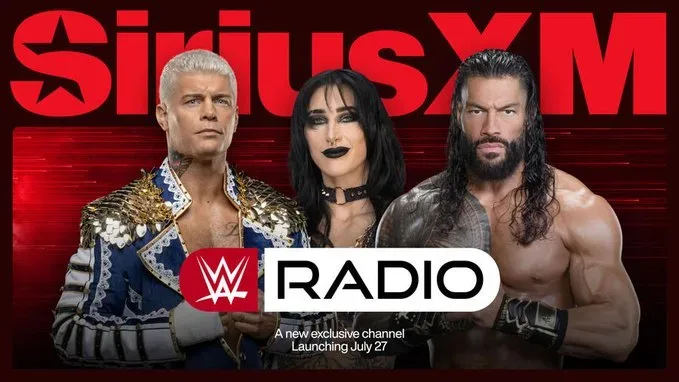
SiriusXM CEO Jennifer Witz has pointed to WWE Radio as a notable early success for the company’s sports programming strategy, revealing that listening to the channel has increased by nearly 20% since its July launch and rebrand.
Witz discussed the figure during SiriusXM’s earnings call, where she addressed the role live sports and fan-driven programming play across the company’s connected-car and streaming platforms. WWE Radio was specifically highlighted as part of a broader push toward programming built around dedicated communities, event coverage and consistent live conversation.
“Sports is another powerful driver of fandom. Uniting passionate communities around live programming and hometown teams. Listening to WWE Radio has grown nearly 20% since its July launch and rebrand. While monthly active sports listeners increased 4% year over year across our connected car and streaming platforms. Among 360L subscribers, average time spent listening to sports grew 7% year over year, demonstrating deeper engagement.”
The nearly 20% WWE Radio increase arrives only months after the current channel identity was introduced. It is an encouraging public indicator for a WWE-focused audio destination that combines daily talk programming, analysis, interviews and coverage tied to the company’s Premium Live Events.
For more background on this topic, read Mark Cuban Recalls Two Weeks Of Soreness After Sheamus Put Him Through A Table On WWE Raw.
WWE Radio Is Built Around Daily Wrestling Conversation
WWE Radio’s programming includes Busted Open, the long-running wrestling discussion show led by Dave LaGreca. The show’s regular lineup features Bully Ray, Nic Nemeth and Mark Henry, giving the channel a panel of hosts with distinctly different experiences in wrestling and media.
LaGreca has become one of the most recognizable voices in wrestling radio through his work on Busted Open, while Bully Ray and Mark Henry bring years of in-ring experience and their own perspectives on WWE, the wider wrestling business and the industry’s changing creative landscape. Nic Nemeth, following his lengthy WWE tenure, adds another active voice with direct familiarity with the modern locker-room environment and the demands placed on performers.
The WWE Radio umbrella also includes multiple affiliated shows. That broader structure allows the channel to offer more than a single daily discussion program, with programming capable of serving fans looking for immediate reaction, historical perspective, performer interviews and analysis around major WWE events.
For SiriusXM, the key value in that format is not limited to a one-time event broadcast. Wrestling is especially suited to a continual conversation model. Weekly television shows, Premium Live Events, roster developments and ongoing rivalries create a steady stream of subjects for hosts and listeners to discuss. That cycle can make the programming relevant throughout the week rather than only on the night of a major show.
Premium Live Event Coverage Adds a Distinctive Element
One of WWE Radio’s most notable offerings is its radio play-by-play presentation of WWE Premium Live Events. NXT commentators Vic Joseph and Booker T handle those broadcasts on the feed, extending their roles as WWE voices beyond the company’s regular television coverage.
Joseph is closely associated with WWE’s NXT broadcast team, while Booker T brings both Hall of Fame credentials and extensive experience behind the commentary desk. Their involvement gives the radio presentation familiar WWE voices for listeners following Premium Live Events through audio.
That approach is particularly relevant in an era when audiences consume live entertainment through a variety of devices and settings. A radio broadcast provides an alternative way to follow an event for listeners in a car, on the move or otherwise unable to watch the full visual presentation. The format also gives SiriusXM a live component to pair with the reaction and analysis programming surrounding WWE’s biggest cards.
Witz’s remarks did not break down the WWE Radio figure by individual show, event broadcast or listener platform. The company also did not provide a specific raw audience total in the comments. Still, the nearly 20% growth figure establishes that the channel’s listenership has risen since the July launch and rebrand.
SiriusXM Connects WWE Radio Growth to Broader Sports Engagement
Witz placed WWE Radio’s performance within a larger sports-listening picture for SiriusXM. She said monthly active sports listeners rose 4% year over year across the company’s connected-car and streaming platforms. Among 360L subscribers, average time spent listening to sports grew 7% year over year.
The distinction between audience growth and time spent listening is important. More monthly active sports listeners signals expansion in the overall number of people engaging with sports content. Increased listening time among 360L subscribers, meanwhile, points to deeper use among a segment of the audience already accessing the platform through SiriusXM’s connected-car technology.
Within that broader environment, WWE Radio’s reported nearly 20% increase stands out as a strong early result. Wrestling fandom often thrives on discussion as much as on the in-ring product itself, and the channel is positioned to turn the reaction surrounding WWE television and Premium Live Events into regular audio engagement.
Witz described sports as “another powerful driver of fandom,” a phrase that also fits WWE’s audience model. WWE is structured around recurring shows, major live events, familiar personalities and long-form storylines. Those elements can encourage fans to return not only to watch programming, but also to hear debate and commentary about what happened and what could come next.
The Channel’s Growth Comes During a Significant Period for WWE Media
The rise in WWE Radio listening comes as WWE continues to expand the number of ways its content can be accessed and discussed. Television remains central to WWE’s presentation, but audio programming offers a different type of connection with the audience. It can be immediate after a show, more conversational than a standard broadcast, and available during times when video viewing is not practical.
A dedicated WWE channel also puts wrestling programming in a space that is traditionally dominated by discussion of conventional team sports, major leagues and live game coverage. SiriusXM’s decision to spotlight WWE Radio alongside its broader sports metrics indicates that the company sees value in the channel’s ability to engage a passionate audience.
The involvement of established figures such as LaGreca, Bully Ray, Nemeth, Henry, Joseph and Booker T gives the channel several entry points for listeners. Some may tune in for a familiar radio format and day-after analysis. Others may be drawn by former wrestlers offering perspective based on their careers. Premium Live Event play-by-play adds a separate live-use case that differs from studio discussion.
That mix is significant because WWE fans do not all engage with the product in the same way. Some closely follow weekly storylines. Some focus on major events. Others are interested in candid commentary from performers and veterans. A channel with several types of programming can serve those different habits while keeping the WWE brand at the center of the schedule.
What the Nearly 20% Figure Means
The reported rise should be viewed as an early measurement rather than a complete long-term picture. WWE Radio launched and rebranded in July, meaning the available period remains relatively short. Audience trends can shift depending on the WWE calendar, major Premium Live Events, programming changes and the specific content offered across the channel.
However, the figure gives SiriusXM a concrete metric to point to while discussing the channel’s initial traction. A nearly 20% increase in listening since launch suggests that the WWE Radio identity has connected with listeners during its opening months.
It also reinforces the value of having a consistent home for WWE audio content rather than treating wrestling coverage as an occasional addition to a larger sports schedule. Fans who know where to find reaction programming, host-driven debate and live event commentary have a clearer reason to return regularly.
For WWE, the channel provides another platform for its programming ecosystem. For SiriusXM, it supplies an audience built around live entertainment, recognizable talent and year-round conversation. Witz’s earnings-call comments indicate that the early response has been positive, with WWE Radio helping illustrate the company’s broader argument that sports-oriented listening remains an effective way to build engagement across both vehicles and streaming devices.
With WWE Radio’s listenership up nearly 20% since July, the channel has established a positive early benchmark. The next measure will be whether that growth continues as its mix of Busted Open, affiliated programming and Premium Live Event coverage develops further.

Darryl Polo
Darryl Polo is a passionate wrestling fan covering WWE, AEW, TNA and beyond. He loves great rivalries, breakout stars and the moments that keep fans talking long after the bell. How we work.