
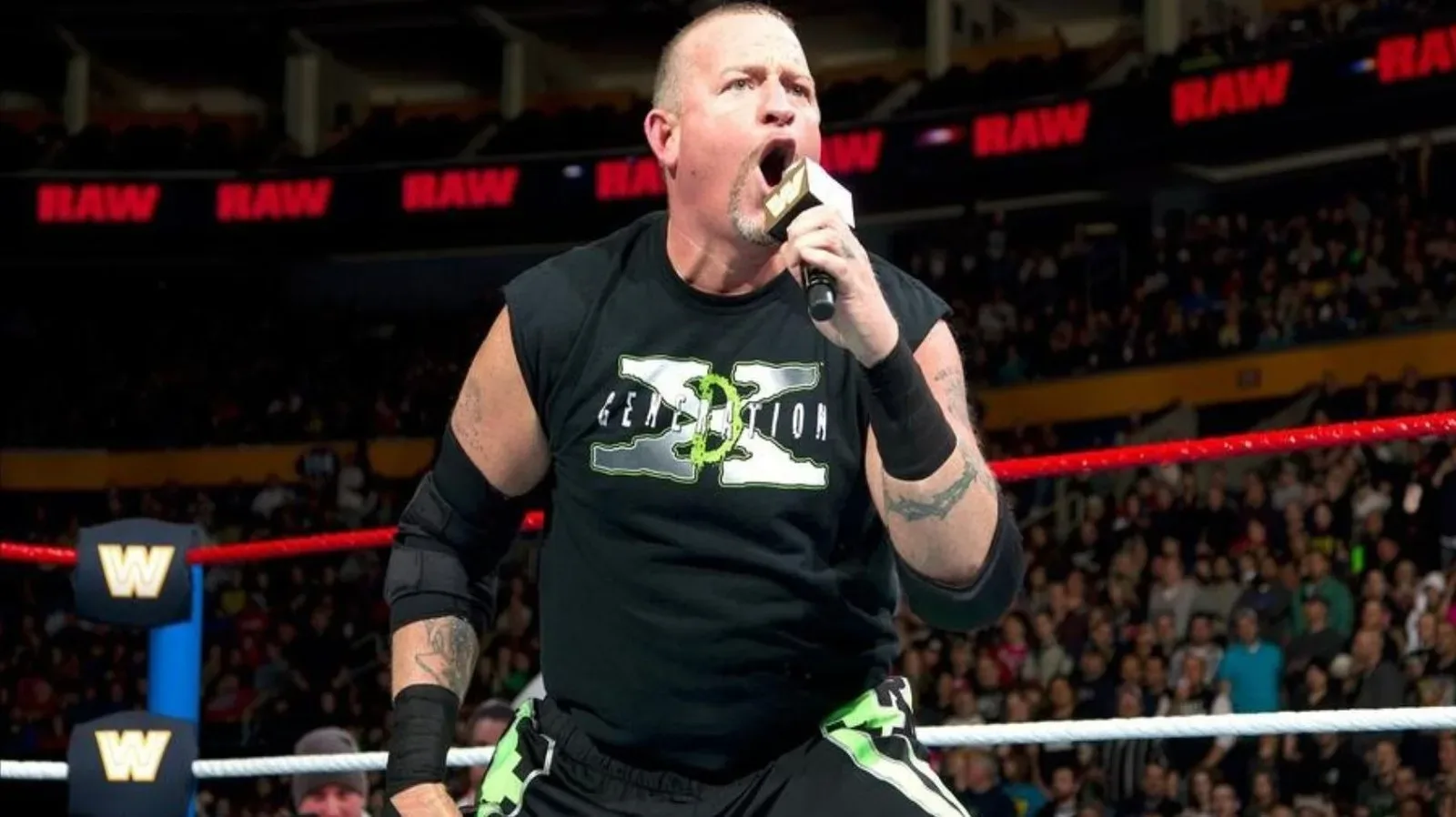
Brian “Road Dogg” James has offered his clearest public response yet to speculation surrounding his WWE departure, firmly stating that he quit the company and rejecting the idea that he was fired because of his support for Chelsea Green.
James, the WWE Hall of Famer and former co-lead writer for WWE SmackDown, left the company at the beginning of March. His exit has continued to draw discussion among fans, particularly as online rumors connected the departure to his apparent belief in Green’s potential as a top-level star. James addressed that chatter directly in a post on X, emphasizing both his decision to leave and his admiration for Green.
“I quit!!!” James wrote. “@ImChelseaGreen is a national treasure NO MATTER THE NATION!!! I saw the writing on the wall I’m hearing others are being pushed out too lol Growth hurts sometimes But just the ones YOU HURT during it.”
View the referenced post on X
The message arrived after a report pushed back on the claim that James had been dismissed because he supported Green. Multiple people familiar with the situation denied that explanation and reiterated that James left WWE on his own terms.
For more background on this topic, read Gabe Sapolsky Shares Seven Key Questions Wrestlers Should Ask Before Signing a Contract.
That is consistent with James’ earlier comments about his departure. He had explained that the pace of the modern business had become too fast for him and that he felt it was time to move on. His latest statement removes little room for ambiguity about the central question: James says the decision was his.
Road Dogg’s WWE departure remains a subject of discussion
James has occupied a unique place in WWE, both as an on-screen performer and as a creative figure behind the scenes. As one-half of the legendary New Age Outlaws alongside Billy Gunn, Road Dogg became one of the defining personalities of the Attitude Era and later entered the WWE Hall of Fame. His post-ring work as a producer and writer made him an influential voice during different periods of WWE television, including his run as a co-lead writer on the blue brand.
Because of that history, the circumstances of his departure naturally generated interest. Creative departures in wrestling are frequently followed by competing narratives, especially when a prominent name leaves during a period of ongoing changes in the company’s presentation and personnel structure. James’ wording suggested that he viewed broader changes as part of the environment around his exit, but it did not alter his central position that he quit.
His reference to others potentially being “pushed out” has also fueled additional conversation. Still, James did not identify any individuals, provide specific details about internal decisions, or lay out further allegations. The available information supports only that he believes there have been painful consequences for some people amid growth and change, while his own departure was voluntary.
That distinction matters in relation to the Chelsea Green rumor. Online speculation had framed James’ exit as a possible punishment for backing Green more strongly than other creative voices did. Those claims have been denied by people familiar with James’ situation, and James himself has now stated plainly that he quit WWE.
Chelsea Green discussion followed WWE Unreal comments
The Green element of the story gained traction after the most recent season of Netflix’s WWE Unreal, which featured James. The series offered viewers a look at WWE’s creative process and included comments from Michael P.S. Hayes, James’ fellow writer and producer, regarding Green’s role.
In the show, Hayes expressed the belief that Green would not become a main-event-level attraction, instead describing her as a supporting act for WWE’s bigger stars. The remark prompted a significant fan response, with supporters rallying around Green and arguing that her charisma, character work, and connection with audiences made her worthy of a more prominent opportunity.
Green’s career trajectory after those comments became especially notable. She went on to win the interim WWE Women’s Championship at SummerSlam in a multi-woman ladder match. The championship was soon set to become official, marking a major accomplishment for a performer whose place in the division had been openly debated on the Netflix series.
Her title reign eventually ended at WWE Crown Jewel, where Tiffany Stratton cashed in Money in the Bank to take the championship from Green. While Green no longer holds the title, the sequence of events gave added weight to the discussion around her ceiling in WWE. A performer who had been characterized as a supporting player had, in short order, won a major singles championship on one of WWE’s biggest stages.
James’ public description of Green as a “national treasure” makes his stance unmistakable. It is not necessarily evidence of a creative disagreement on its own; WWE creative involves many voices, and performers’ pushes can shift for numerous reasons. But it does show that James values Green highly and was willing to say so publicly while refuting the claim that his support for her cost him his job.
Why the rumor resonated with fans
The rumor found an audience because it sat at the intersection of several compelling wrestling narratives: a respected longtime WWE figure leaving a backstage role, a polarizing behind-the-scenes assessment of a popular wrestler, and Green’s subsequent championship success. Fans often look for a direct explanation when those threads appear close together.
However, the timeline and the available comments do not establish the proposed cause-and-effect relationship. James has said he left because the business was moving too quickly for him, and he has now followed that up with an unambiguous declaration that he quit. The claim that he was fired due to his support of Green has been denied by people familiar with the matter.
It is also worth separating James’ praise of Green from the larger question of WWE creative direction. Wrestling writing rooms are collaborative and can involve shifting priorities, television needs, long-term plans, talent availability, executive input, and audience reaction. One writer’s assessment of a wrestler, whether enthusiastic or skeptical, is only one part of a much larger system.
Green’s rise nevertheless illustrates why the debate became so animated. Her supporters saw her as a performer capable of turning even limited screen time into memorable character work. Her eventual SummerSlam victory provided a major validation of that view, while the Money in the Bank cash-in by Stratton created another defining moment in the women’s division.
James leaves with his position clearly stated
For James, the immediate takeaway is straightforward. He has rejected the premise that WWE fired him over Chelsea Green, saying that he chose to leave. At the same time, he has made clear that he remains a vocal admirer of Green and sees her as far more than an expendable supporting act.
His comments do not close every conversation about the atmosphere that surrounded his departure. His remarks about seeing “the writing on the wall” and hearing that others were being pushed out will invite continued interpretation, particularly given his long experience in WWE. But they do establish a boundary around the most specific rumor: James does not accept the characterization that his exit was a firing tied to Green.
As WWE continues to evolve creatively and structurally, departures by experienced backstage personnel will remain closely watched. In this case, Road Dogg has put his own version of events on the record. He says he quit, he remains firmly in Chelsea Green’s corner, and he believes growth can come with consequences for the people caught up in it.
In pictures

Darryl Polo
Darryl Polo is a passionate wrestling fan covering WWE, AEW, TNA and beyond. He loves great rivalries, breakout stars and the moments that keep fans talking long after the bell. How we work.