
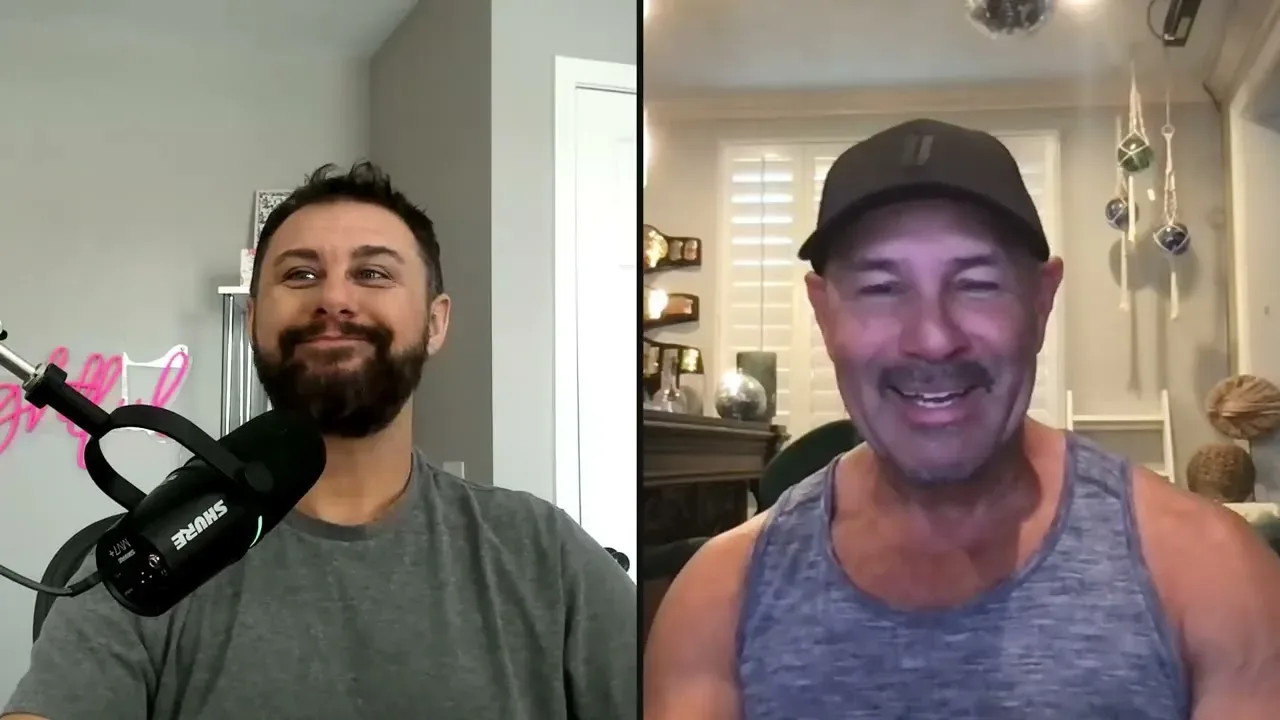
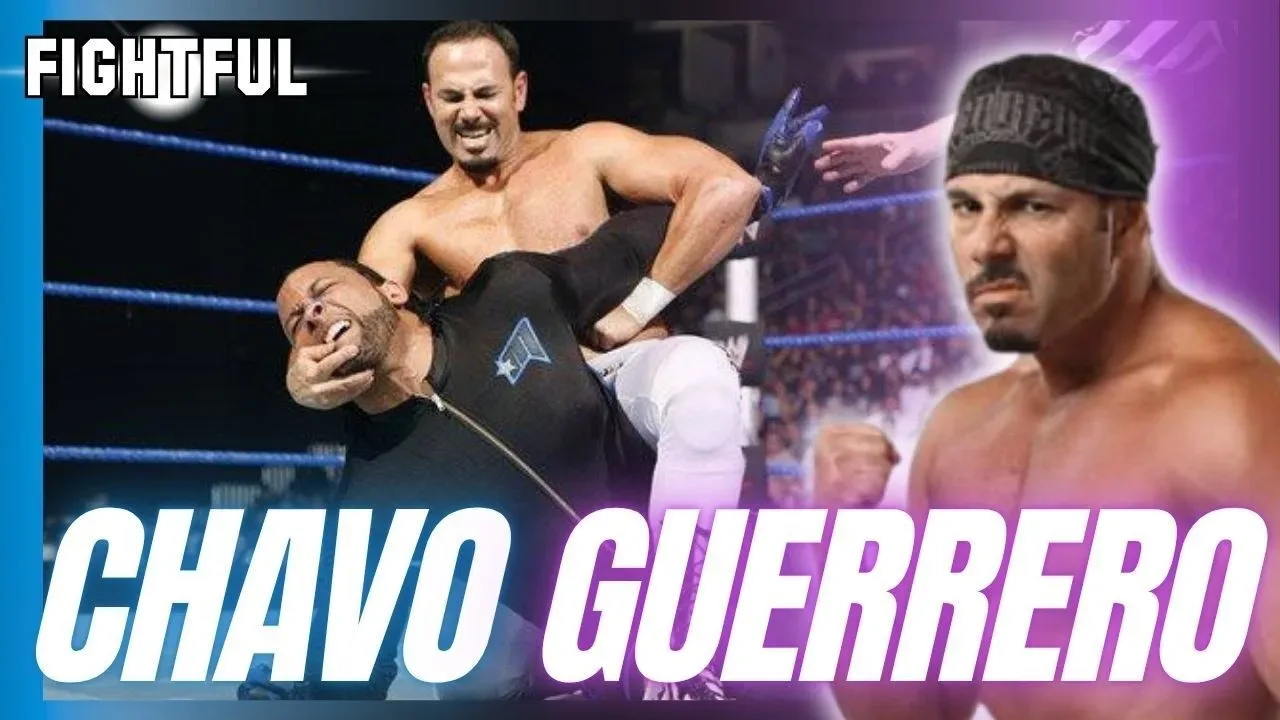
Chavo Guerrero Jr. is taking a new step in his long career inside and outside professional wrestling. Guerrero and veteran attorney Brad Small have launched Not Too Small, an agency designed to represent wrestlers in contract matters while also helping clients pursue opportunities in entertainment, advertising, stunt performance, and broader business ventures.
The agency’s name is a play on Small’s surname and the Guerrero family’s place in an industry historically dominated by bigger wrestlers. But the objective behind Not Too Small is expansive: combine an experienced wrestling legal background with real connections in Hollywood and create representation tailored specifically to performers who want to build careers beyond the ring.
Guerrero confirmed the launch and explained that the concept grew naturally out of his long professional relationship with Small. The two have worked together since 2003, spanning major portions of Guerrero’s WWE, TNA, Lucha Underground, and entertainment career.
“Brad Small, he’s been my lawyer/agent since 2003,” Guerrero said. “With his connections and my connections, why are we not representing wrestlers on our own and doing our own agency?”
For more background on this topic, read Carmelo Hayes Says He Is ‘Still Alive’ After Jacob Fatu’s WWE RAW Samoan Drop.
For Guerrero, the answer was to form a company that understands both the unusual realities of the wrestling business and the opportunities that can exist once a performer’s skills are applied to other media. Not Too Small intends to negotiate wrestling contracts, but it will not be limited to in-ring work. Guerrero said the agency will also look to secure television, movie, commercial, stunt, and brand partnership deals for its clients.
A Specialized Approach to Wrestling Representation
The central idea behind Not Too Small is that professional wrestling contracts require a specific level of familiarity that representatives from other entertainment fields may not always possess. Wrestling deals can involve distinctive provisions relating to intellectual property, name rights, exclusive services, travel, appearances, merchandising, non-compete terms, medical concerns, and the relationship between a wrestler’s independent brand and a promotion’s business interests.
Guerrero stressed that an attorney or agent accustomed only to Hollywood agreements may see a wrestling contract very differently than somebody with experience in the industry. In his view, effective representation requires knowing not only what is written in an agreement, but also why certain provisions are common in wrestling and where talent may have room to negotiate.
“If you don’t know wrestling contracts, they’re a whole different ball game,” Guerrero said. “Anybody from Hollywood trying to read a wrestling contract would be like, ‘Hell no, no way, don’t ever sign that.’”
That does not mean wrestling talent should simply accept every standard term presented to them. Rather, Guerrero’s point is that a representative needs enough knowledge of the business to distinguish between standard industry language and issues that require greater attention. Small’s decades of work around wrestling are expected to be a major part of the agency’s identity.
Small has represented numerous figures in wrestling over the years, while Guerrero brings the perspective of someone who has worked as an active performer across multiple eras and promotions. Guerrero’s in-ring résumé includes notable runs with WCW, WWE, TNA, Lucha Underground, AEW, and other organizations. As a member of the Guerrero family, he also carries a deep understanding of wrestling’s generational traditions, the value of a recognizable name, and the pressures talent face when turning personal identity into a sustainable business.
Guerrero’s Hollywood Experience Shapes the Venture
Not Too Small is being launched at a time when Guerrero has established a substantial second career in entertainment. His work has gone far beyond appearing as a wrestler on screen. He has been involved in projects through a variety of roles, including consulting on wrestling wardrobe and terminology, advising productions on the presentation of the sport, and training actors for wrestling-related scenes.
Among the projects associated with Guerrero are Steven Spielberg’s Disclosure Day, The Iron Claw, and the television series Margot’s Got Money Troubles. That practical experience is a key part of what he and Small hope to bring to clients. A wrestler seeking a role in a film or television production may need more than an introduction; they may need coaching, guidance on set expectations, contract support, and a clear understanding of how their wrestling abilities can translate to the job at hand.
Wrestlers have increasingly found paths into acting, stunt performance, reality television, hosting, voice work, fitness-related promotions, and commercial campaigns. Some opportunities are rooted in a performer’s physicality, while others come from charisma, social-media reach, athletic credibility, or a distinctive personal story. Guerrero believes Not Too Small can help clients identify and pursue those possibilities without losing focus on their core wrestling careers.
“We’re going to represent wrestlers not only in the wrestling world but also transitioning into the Hollywood world or in other business ventures like brand endorsements,” Guerrero said. “Really anything that they want to do to kind of make their brand bigger.”
The emphasis on brand-building is particularly relevant in an era when wrestlers can maintain direct relationships with fans through digital platforms, independent appearances, merchandise, podcasts, conventions, and outside business ventures. While a promotion contract can be the foundation of a wrestler’s career, it is not always the only part of it. An agency built around wrestling and entertainment could be positioned to examine the wider picture.
Early Outreach to WWE and AEW
Guerrero said Not Too Small has already informed both WWE and AEW of its arrival. He described the early reaction as encouraging, specifically noting that AEW President Tony Khan responded quickly and positively. Guerrero also said people within WWE offered favorable feedback after being contacted about the agency’s plans.
“Talking to Tony Khan, right away he got back to us and was like, ‘Wow, this is really great,’” Guerrero said. “A couple other people from WWE got back to us and it was pretty cool to hear their feedback.”
That outreach is notable because wrestling representation operates within an ecosystem where major promotions, talent, attorneys, agents, independent bookers, and entertainment companies can all play different roles. For a new agency, clear communication with promotions may help establish expectations when representing clients who are negotiating contracts or seeking approval for outside opportunities.
Neither Guerrero nor Small has publicly outlined a client roster in connection with the announcement. The immediate focus is the launch itself and the agency’s mission. Still, the partnership presents a potentially valuable mix of experience: Small’s background as a legal and talent representative, paired with Guerrero’s three decades of knowledge as a wrestler and his growing entertainment résumé.
What Not Too Small Could Offer Talent
The agency’s potential appeal may vary depending on where a wrestler is in their career. A younger performer may be looking for help evaluating their first major contract or turning local visibility into larger opportunities. An established name may want assistance expanding into acting, convention work, licensed products, or sponsorships. A veteran transitioning away from full-time wrestling may need a strategy for using their experience in coaching, consulting, stunt coordination, or media production.
Guerrero has personally navigated several of those transitions. His career has included nationally televised wrestling, work in different promotional systems, and increasing involvement in film and television. That does not guarantee a similar result for every client, but it provides Not Too Small with a perspective grounded in the actual challenges performers encounter when trying to move between wrestling and entertainment.
The name itself also reflects the partners’ sense of humor and their intended message. Guerrero joked that the Guerreros have “always been not too small,” while acknowledging the family’s history in what has often been seen as a big man’s business. The playful branding may be memorable, but the business model is serious: provide representation from people who understand the ring, the contract, and the camera.
As professional wrestlers continue to explore careers that extend beyond weekly television and live events, specialized representation may become increasingly important. Not Too Small is entering that space with a clear pitch—wrestling-specific knowledge backed by legal experience and Hollywood access. Guerrero and Small now face the task of turning that pitch into a roster and a long-term presence within the industry.
In pictures

Darryl Polo
Darryl Polo is a passionate wrestling fan covering WWE, AEW, TNA and beyond. He loves great rivalries, breakout stars and the moments that keep fans talking long after the bell. How we work.