
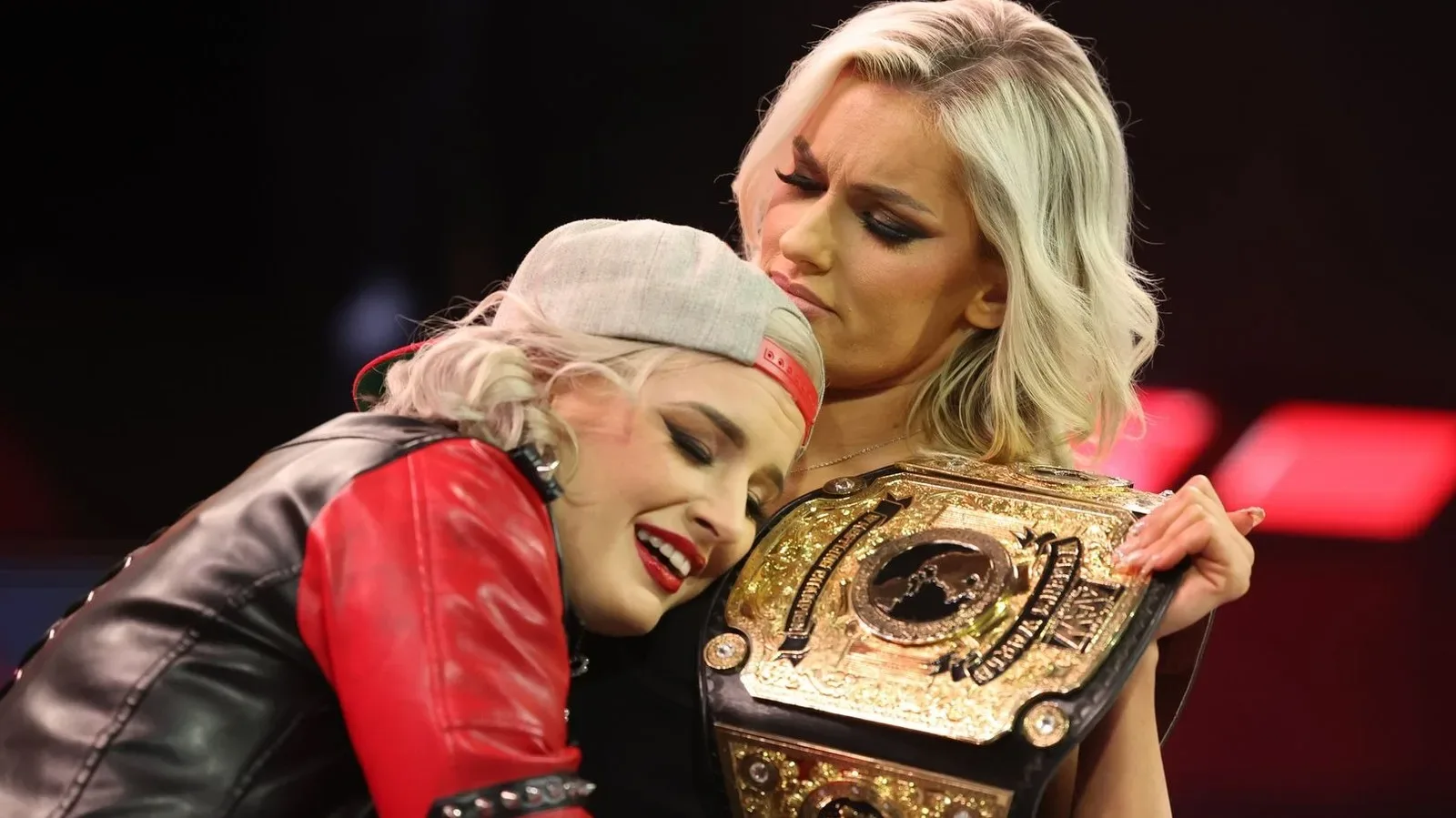
RJ City helped put together the AEW story that took Toni Storm and Mariah May to The Hollywood Ending. But when he looks back at what made the year-long program work, he starts with something he couldn't have put on a page: how thoroughly Storm committed to being Timeless. Plenty of people had a hand in the story, City said in a recent interview, but Storm was “the steam that ran that ship.”
City didn't know Storm especially well before the storyline. What struck him once she became Timeless was how little separation there seemed to be between the wrestler and the part she was playing. He reached for a Randy Savage comparison, not because the two characters were anything alike, but because both felt inseparable from the person performing them.
“It's all her. I can only liken it to like Randy Savage, where you're like, 'that's just him,'” City said.
His comments come as AEW fans get another way to spend time with the character. Storm, a former AEW Women's Champion, has been out of action since March. The Toni Storm Tapes, a set of five analog cassettes, bring her back into the conversation without requiring her to be back in the ring. The tracks are said to come from a recorder Storm secretly carried in her purse, a premise that suits a character who could make an ordinary object feel like part of her own private mythology.
For more background on this topic, read AEW Debuts The Toni Storm Tapes With a Look at the Timeless One’s Life at Home.
RJ City Gives Storm, May and Tony Khan the Credit
City was one of the architects of the Storm and May story, but he didn't describe it as a case of a writer handing two wrestlers a finished idea. He credited both women and AEW's Tony Khan with “birthing this sick, sick child.” It was a typically colorful way of describing a collaboration, and it left room for two things to be true: the program took several people to put together, and Storm's performance was the thing that gave it momentum.
The distinction matters in wrestling, where laying out a story and performing it are different jobs. A creative team can decide where a rivalry is going, but the wrestlers have to make the audience care about getting there. That's a particular challenge across a year-long program. An idea can get an immediate reaction and still wear thin if the performances don't give viewers a reason to stay invested. Storm's commitment gave the story a consistent point of view even as her relationship with May became the focus.
Giving Storm that credit doesn't diminish May's part in the program. A distinctive character can command attention on her own; a rivalry needs someone who can command attention opposite her. The Hollywood Ending was the culmination of a story between two wrestlers, not simply a showcase for Storm's most recognizable persona. City's account gives May and Khan credit for building that story while making clear who he thought drove the Timeless act itself.
Why the Randy Savage Comparison Fits
The Savage reference gets at a quality that's harder to pin down than a wrestler's catchphrases, look or mannerisms. It's one thing to recognize a character as soon as they appear. It's another to watch a performer deliver even their most exaggerated material and never feel as though they're stepping outside the role to sell the gag. City's “that's just him” description of Savage was about that second quality. He saw something similar in Storm once she went Timeless.
That conviction was especially useful for a character whose style could easily have overwhelmed everything else. The theatricality made Storm stand out, but she still had to wrestle in a way that made people take the outcome seriously. Fans didn't have to choose between enjoying the performance and caring about the match. Her in-ring work gave the persona credibility, while the persona made those matches feel different from anything else on the card.
There's also a difference between committing to a character for one segment and doing it long enough to carry a major program. The surprise of seeing Storm do something so unlike the rest of the roster could only take the act so far. The longer the story with May went on, the less it could rely on novelty. By the time the rivalry reached The Hollywood Ending, Timeless had become a way to tell the story, rather than a bit the story had to stop and make room for.
The Toni Storm Tapes Revisit the Character While She's Out of Action
The cassettes lean into a different side of the performance. Wrestling television makes a character's presentation public by design: the wrestler knows there's a camera there, and the crowd is part of the scene. The conceit of a recorder tucked inside Storm's purse suggests something more private. In that framing, listeners aren't just hearing Storm address an audience. They're getting access to recordings that, at least within the premise of the collection, weren't necessarily made for them.
Analog cassettes are an unusually specific choice for a wrestling project, but the format makes sense here. Put the same material out as a conventional retrospective and it would invite fans to look back at Timeless from the outside. Present it as five tapes from a rumored secret recorder and the object itself becomes part of the act. It lets the project revisit Storm without asking her to drop the character and explain how it worked.
The tapes don't establish when Storm will wrestle again. What they do offer, after months out of action, is a reminder of how much of the character lived in the performance itself. The premise doesn't need footage of a match or the payoff to a feud to make sense. It needs listeners to believe that if any wrestler were carrying a tape recorder in her purse and leaving behind enough material for a five-cassette collection, it would be this version of Toni Storm.
That brings City's assessment back to the difference between devising a character and making it feel like it belongs to one person. May and Storm had a year-long story to tell, City helped shape it, and Khan shared in putting it together. But the reason the character can now show up on a set of cassettes and still feel recognizable is the same reason City reached for Savage in the first place: Storm made Timeless feel less like a part she had been given than something only she could do.
In pictures

Darryl Polo
Darryl Polo is a passionate wrestling fan covering WWE, AEW, TNA and beyond. He loves great rivalries, breakout stars and the moments that keep fans talking long after the bell. How we work.