
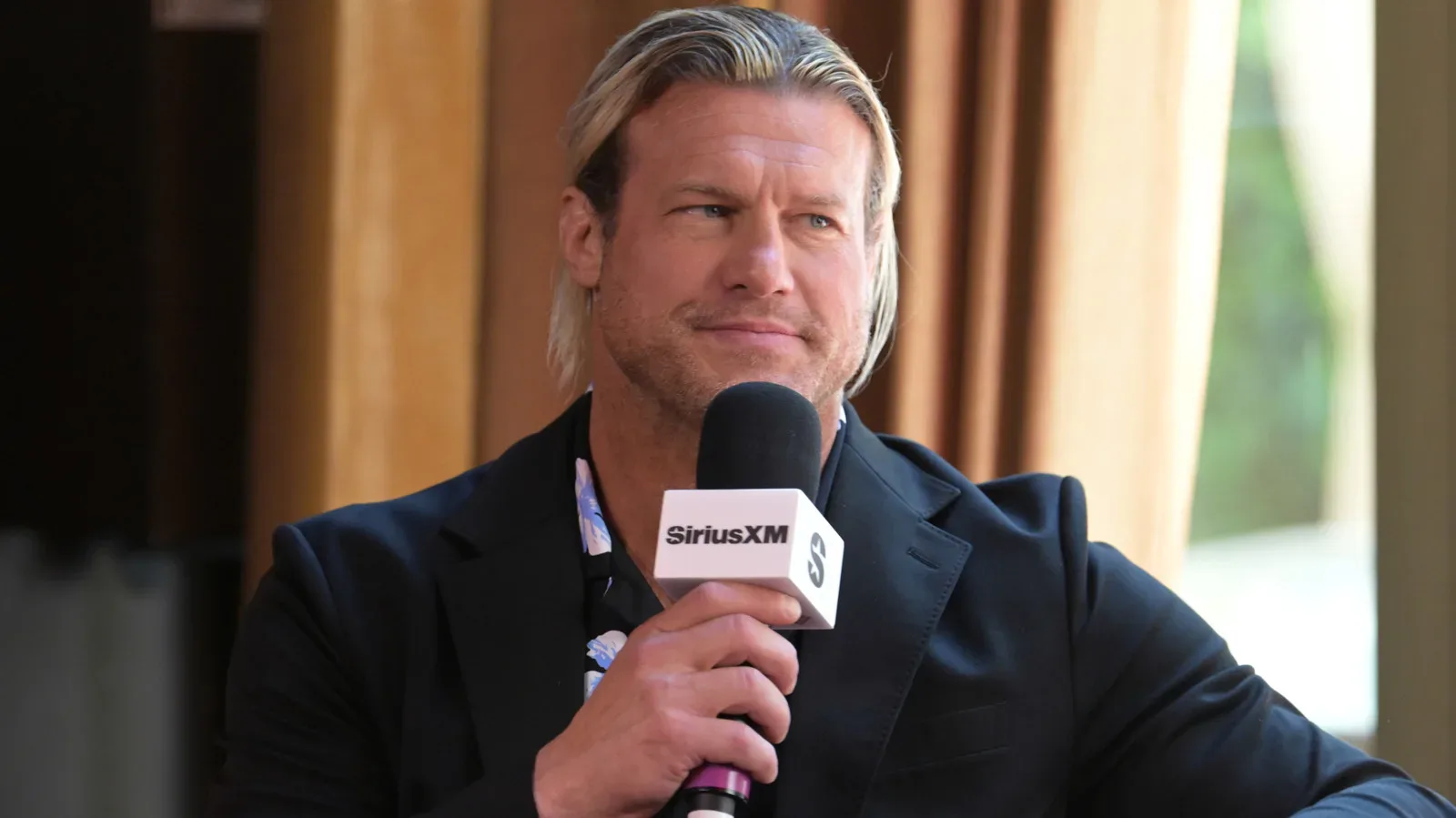
Nic Nemeth spent nearly two decades in WWE as one of the company’s most consistent in-ring performers, but he now believes that consistency came with a creative drawback. The former Dolph Ziggler says he was available so often throughout his WWE career that he rarely had the chance to benefit from the kind of extended absence that can make a wrestler’s return feel significant.
Speaking on Busted Open, Nemeth reflected on the unusual durability of his WWE run and revealed that he eventually approached Vince McMahon with an idea: use storyline injury angles to take wrestlers off television for a period of time, then bring them back in a way that feels important. His pitch was not solely about improving his own presentation. Nemeth viewed it as a broader roster-management concept that could create openings for other talent while keeping established names from becoming overly familiar to the audience.
“I realized that, weirdly, I went practically injury-free for 19 and a half years. I had to start begging Vince, saying, ‘I need to go away for a few months, or else it’s just you seeing me for 19 years, 52 weeks in a row.’ So, I pitched an idea, not for me, but for everyone, to have injury angles where we create the big moments when someone comes back,” Nemeth said.
For Nemeth, the central issue was not simply resting a performer physically. It was the value of creating absence within wrestling storytelling. WWE television is built around recurring weekly programming, and top stars are often asked to remain visible across Raw, SmackDown, premium live events, and other promotional commitments. That visibility can help establish a talent as a centerpiece, but Nemeth’s argument is that constant exposure can also limit the impact of a wrestler’s appearances.
For more background on this topic, read Uhaa Nation Reflects On WWE Release Call And Why He Expected It Was Coming.
A return after time away has long been one of the most reliable tools in professional wrestling. An injured or sidelined wrestler can come back as a surprise entrant, interrupt a major segment, confront a rival, or immediately alter the direction of a championship program. The crowd response is often driven not only by the returning wrestler’s popularity, but also by the fact that viewers have had time to miss them.
Nemeth said he wanted WWE to intentionally build those circumstances rather than waiting for genuine injuries or unforeseen breaks to create them.
“One, it gives other people a chance to step up into that middle or main event card. And then it gives you a refresher when you come back. You don’t get stale, and you don’t get bored of stars,” Nemeth said.
A Roster Opportunity Beyond One Wrestler
Nemeth’s point about others stepping up is an important part of the idea. When a heavily featured wrestler is written out of a weekly show, a promotion has to fill the space left behind. That can mean a mid-card act receives more promo time, an emerging wrestler is moved into a higher-profile match, or a fresh rivalry gets room to develop without being overshadowed by an established star.
In a deep roster environment, those gaps can be especially valuable. Not every wrestler can be a central television priority at the same time, and weekly booking often requires difficult choices about who gets featured. A planned storyline absence can create a natural opportunity to rotate talent without making it feel as if a wrestler has simply disappeared from the company’s creative plans.
It can also add unpredictability to a show. If the audience knows a wrestler is out temporarily but expects a major return at some point, that return becomes a possible factor in multiple storylines. Fans can speculate about whether the performer will resume an old rivalry, chase a title, help an ally, or return with an entirely different attitude.
Nemeth’s proposal was rooted in that flexibility. A return does not have to merely restore a wrestler to the spot they held before leaving. Instead, it can give creative teams a chance to reintroduce them with a revised character direction, a different target, or a renewed sense of urgency.
Nemeth Uses Cody Rhodes as an Example
Nemeth pointed to Cody Rhodes as an example of a performer who could benefit from that type of creative breathing room. Rhodes has been one of WWE’s most prominent figures, with a presentation and story position that naturally invite close audience attention. Nemeth suggested that even a relatively short break could give WWE several different avenues to explore when Rhodes returns.
“Going away helps whatever story you’re trying to push, whether it’s Cody being a tweener, Cody about to break and maybe turn on somebody, or Cody going, ‘No, you know what? I fought off the voices in my head, I’m going back to the good side.’ There are so many ways to go with it, and it really helps when you have the machine that you can go, ‘Cody can miss two TVs, and we’re still going to be rocking and rolling, and when he comes back in, it’s going to be a bigger deal,’” Nemeth said.
The example illustrates why an absence can be useful even when it is not particularly long. Nemeth was not necessarily describing a months-long disappearance for every top star. Missing two television episodes could be enough to shift the focus of a storyline, let doubts build around a character’s direction, or make a comeback feel more meaningful than another standard weekly appearance.
In Rhodes’ case, Nemeth outlined several potential narrative outcomes without claiming that any of them were planned. A break could lead viewers to question whether Rhodes was moving toward a tweener role, whether he was nearing a breaking point, or whether he would return more firmly committed to being on the “good side.” The absence itself can become part of the story because the audience has time to wonder what changed while the wrestler was gone.
The Difference Between an Absence and Disappearing
There is an important distinction in Nemeth’s comments between a planned storyline break and simply removing someone from television with no direction. A wrestler vanishing without explanation can cool off momentum, particularly if viewers are not given a reason to expect their return. A well-executed injury angle, by contrast, can preserve the wrestler’s importance by framing the time away as an event.
The angle can also give fans a clear emotional investment in what comes next. If a wrestler is attacked, suffers a storyline injury, or is forced out by a rival, the eventual return comes with a ready-made purpose. There is someone to confront, a wrong to avenge, or a championship opportunity to pursue. The time away then becomes an extension of the feud rather than a pause in it.
Nemeth’s own career makes his perspective understandable. Throughout his WWE tenure, he was known for frequent television appearances and a willingness to perform in a wide range of roles. He worked in singles competition, tag team programs, championship stories, and matches designed to elevate other names. Being consistently dependable is an asset, but Nemeth believes that it can also lead to what he described as fan “fatigue” when the same faces are seen too often.
That fatigue is not necessarily a rejection of a wrestler’s ability or popularity. Rather, it can emerge when audiences see a performer in similar circumstances week after week. A short, meaningful absence offers a chance to interrupt that pattern. When the wrestler returns, familiar traits can feel refreshed, and any changes to their character or motivation can land with greater force.
A Long-Term View of Television Storytelling
Nemeth’s comments speak to a larger challenge in weekly wrestling: balancing the need for reliable star power with the need for novelty. Promotions want their biggest names available because recognizable acts help anchor episodes and major events. At the same time, a roster must continue evolving if stories are going to feel dynamic over the long term.
His proposed solution is rotation with purpose. Established performers can step away through a storyline, other wrestlers can take advantage of the opening, and the absent star can return to a stronger reaction and potentially a new direction. It is a system designed to serve both the individual wrestler and the overall show.
Nemeth did not present the idea as a guaranteed answer for every act or every storyline. Some performers are most effective through constant presence, particularly during a major championship chase or an intensely personal rivalry. But his experience led him to believe that WWE could have made better use of deliberate time away, especially for wrestlers who had been on television continually for years.
After going practically injury-free for 19 and a half years, Nemeth saw the irony in missing out on one of wrestling’s most effective emotional devices: the return. His pitch to McMahon was ultimately about manufacturing that anticipation in a controlled way. In Nemeth’s view, a wrestler does not need to be gone forever to be missed. Sometimes, a few weeks—or even a couple of television appearances—can be enough to make the next entrance feel bigger than the last one.
In pictures

Darryl Polo
Darryl Polo is a passionate wrestling fan covering WWE, AEW, TNA and beyond. He loves great rivalries, breakout stars and the moments that keep fans talking long after the bell. How we work.