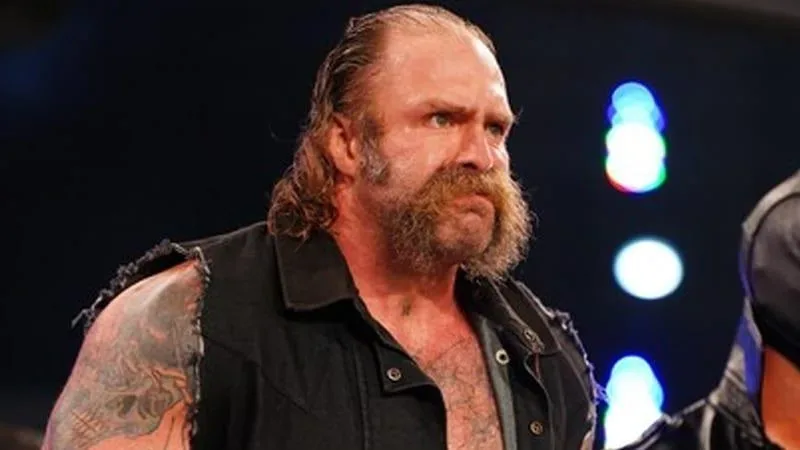
Nattie has offered an emotional reflection on the death of Andy Williams, known to wrestling fans as The Butcher, explaining that the sudden loss immediately brought her back to the death of her uncle, Owen Hart.
Williams’ passing has prompted an outpouring of grief from throughout professional wrestling. Nattie, whose own family has experienced one of the industry’s most devastating losses, spoke about the difficult reality facing the loved ones left behind whenever a wrestler dies unexpectedly.
For Nattie, the news was not simply another reminder of how close-knit the wrestling business can be during a tragedy. It also recalled the enduring trauma that accompanied Owen Hart’s death, and the scars that such a loss leaves on a family long after public tributes and memorial messages have faded from view.
A community comes together beyond company lines
Nattie said the wrestling world has a unique way of responding when one of its own is lost. Rivalries between promotions and personal differences become far less important in the wake of tragedy, as performers, fans and colleagues unite to share their grief and celebrate the person who has died.
For more background on this topic, read Cody Rhodes Places Randy Orton In Wrestling’s ‘Golden Circle’.
“You get stopped in your tracks when you hear about something as shocking as one of our fellow wrestlers passing away,” Nattie said. “That’s the thing about the wrestling community. There is a big, huge wrestling community out there that when something like this happens, it doesn’t matter where you work — we all come together.”
That spirit has been visible in the response to Williams’ death. Nattie said she appreciated seeing people share stories, photographs and personal messages that illustrated the impact Williams had on those around him. Those recollections, she said, presented a consistent picture of someone who was kind, genuine and humble.
“So I loved seeing everybody come together to celebrate, to honor, to share their memories of Andy,” Nattie continued. “To share what he meant to them. How he impacted them, and just the photos, you just realize, even people are sharing their DMs with him. You just realize, what a nice genuine, humble, great person this guy was.”
Williams was widely recognized in wrestling as The Butcher, and the response to his passing has extended across the broader industry. Nattie’s comments emphasized that a wrestler’s influence is often felt in ways that are not always reflected on television: in conversations backstage, private encouragement, friendships formed on the road and the smaller moments colleagues carry with them for years.
In a business built on competition, movement between companies and strongly held loyalties, bereavement often makes those divisions feel insignificant. Nattie’s message was that the community’s collective response matters, but it cannot erase what the family is forced to endure.
Questions and the shock of a sudden loss
Nattie also addressed the shock surrounding the circumstances of Williams’ death. She noted that the situation happened soon after a match and said there were still discussions about exactly what occurred. She did not claim to know the details, instead expressing hope that more information may become available over time.
“When it happens so suddenly, especially an incident that happened in the ring or happened right after a match, I think they’re still talking about exactly what happened,” Nattie said. “And hopefully we’ll all know a little bit more as time goes on, but it happened pretty soon after a match.”
Her remarks were framed by caution and concern rather than speculation. The circumstances surrounding a sudden death can intensify the anguish for everyone involved, particularly relatives who must process unimaginable news while the public seeks answers. Nattie’s focus remained on Williams’ family and on the emotional weight carried by those closest to him.
Professional wrestling is a highly visible profession, which can make grief feel public almost immediately. Fans often learn of devastating news at the same time as colleagues begin posting tributes, while friends and relatives are still attempting to comprehend the loss. The flood of memories can be meaningful, but it also unfolds alongside an intensely personal tragedy.
That tension was at the center of Nattie’s comments. She praised the heartfelt messages honoring Williams, while also stressing that no amount of public love can remove the deep pain experienced by the people he loved.
Owen Hart’s death remains a painful family memory
Nattie said her first thought upon hearing that Williams had died was for his family. It was a thought directly shaped by her own experience with Owen Hart’s death and by the profound impact that loss had on the Hart family.
“The first thing I thought of when I heard about Andy passing away, I thought about his family,” Nattie said. “I thought like, man, what was it like for them to get that news? When Owen passed away, it was so hard. It was just a very hard moment for our family. It was the hardest thing that we’ve ever gone through, and it leaves you with very deep scars. It’s very traumatic.”
Owen Hart’s death remains one of the most painful and consequential tragedies in wrestling history. For Nattie, however, the memory is also intensely personal. Her comments did not treat the loss as a historical footnote or an industry story. She described it as a family wound, one that continues to inform how she reacts when another wrestler dies suddenly.
She explained that the grief attached to such a loss does not simply disappear with the passage of time. Tributes may provide comfort, and the support of a larger community can offer an important reminder that a person was valued, but the grief itself is not something a family simply leaves behind.
“Those are scars that never go away,” Nattie said. “It never gets easier to lose somebody you love.”
That perspective gave added weight to her reaction to Williams’ death. Nattie was not only offering condolences from a fellow wrestler; she was speaking as someone who understands the long-term emotional consequences of receiving news that a loved one is gone.
Kindness as the message Nattie takes from tragedy
While Nattie’s comments were rooted in mourning, she also used them to make a broader appeal for compassion within wrestling and beyond it. The sudden nature of a loss, she said, is a reminder that life is uncertain and that people should make an effort to treat one another with respect, even amid disagreements.
“It does remind all of us, and I did think about Owen Hart, life is short,” Nattie said. “Tomorrow is not promised to anyone. The best thing we can all do is treat each other with kindness and respect and grace, no matter where you work or who you work for. Even if you’ve had conflicts with people. At the end of the day, we’re all just trying to get through this thing called life.”
The point carries particular meaning in an industry where wrestlers regularly work under pressure, compete for opportunities and sometimes find themselves separated by professional or personal conflicts. Nattie’s message was not that those realities disappear, but that tragedy can bring clarity about what matters most.
Her words also reflected the way the wrestling community has responded to Williams: through memories, condolences and stories intended to ensure that his character and impact are remembered. Nattie said she was struck by the many personal accounts being shared, including private messages people had received from him, because they reinforced how widely his kindness was felt.
As questions remain about the events surrounding his death, Nattie’s focus was firmly on honoring Williams and extending empathy to the people now facing the aftermath of his loss. She described him as having died far too young, and urged a sense of grace that reaches beyond employers, locker rooms and past disagreements.
“He was way too young to pass away,” Nattie said.
For Nattie, the passing of Andy Williams has reopened memories of a defining loss in her own family. Her response serves as both a tribute to Williams and a reminder that behind every public announcement of tragedy are relatives and loved ones whose lives are changed permanently. The wrestling world can come together to remember, celebrate and support, but the compassion Nattie called for is especially vital for those who must carry that loss forward every day.
Darryl Polo
Darryl Polo is a passionate wrestling fan covering WWE, AEW, TNA and beyond. He loves great rivalries, breakout stars and the moments that keep fans talking long after the bell. How we work.