
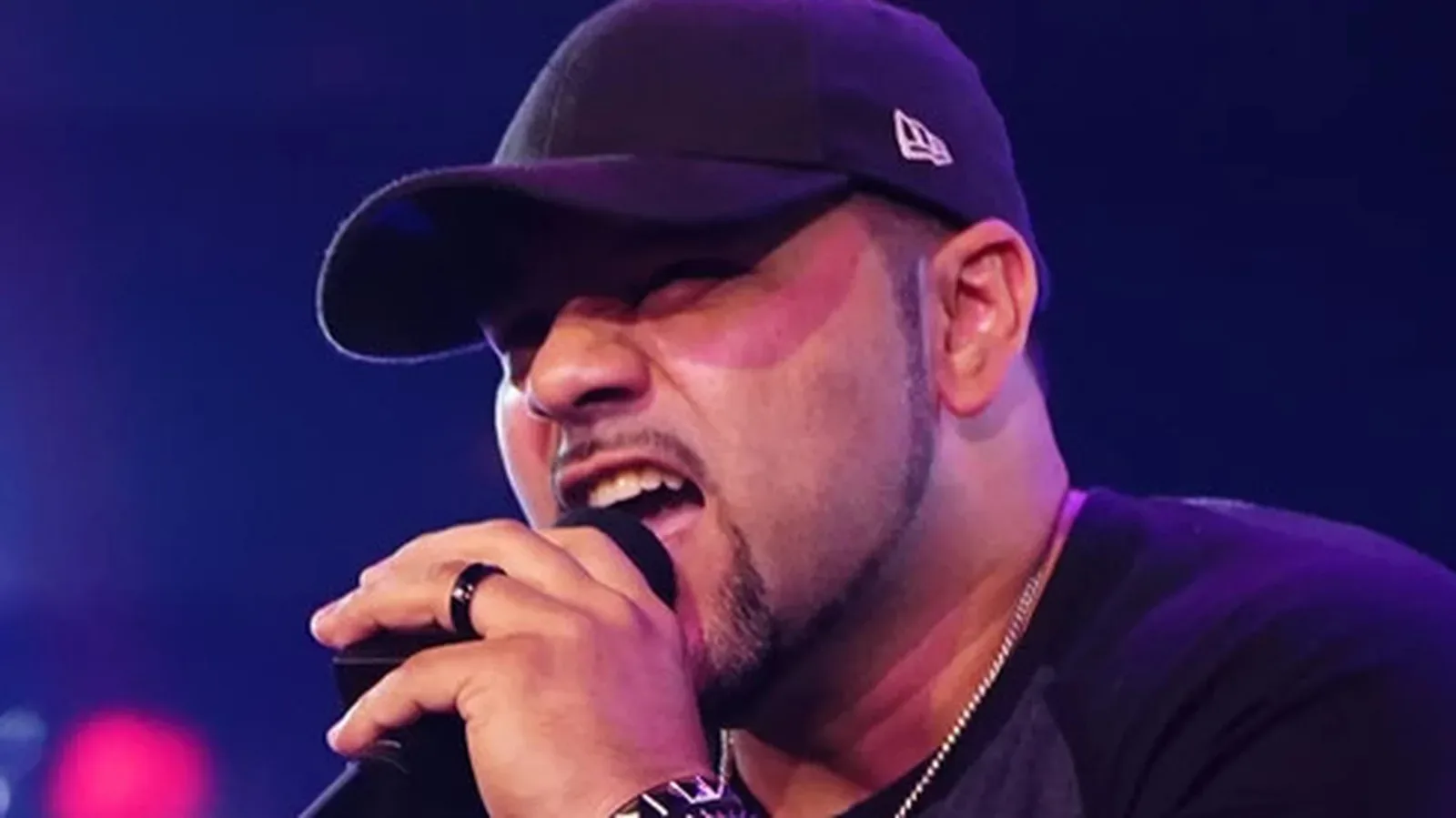
Mikey Rukus has delivered an emphatic response to a fan suggestion that Tommaso Ciampa’s entrance music may have been created with artificial intelligence.
Rukus, the composer responsible for the majority of AEW wrestlers’ entrance themes and a substantial body of work connected to ROH, made his position clear in a blunt social-media post. The discussion emerged after Ciampa’s recent comments about his favorable view of AI for task-based uses led to online debate around the technology and its place in creative work.
One fan brought Ciampa’s theme, “My Shadow Knows,” into that conversation and accused the song of using AI. Rukus directly rejected the claim while underscoring the length and volume of his work as a composer.
View the referenced post on X
“7 years with AEW Hundreds of themes for AEW/ROH not to mention the indie tracks I do to help younger workeers. 0% AI Fuck off”
For more background on this topic, read Kevin Knight Says The Hurt Syndicate Have Offered His Most Valuable AEW Advice.
The message leaves no ambiguity about Rukus’ stance. He says the music he has created across seven years with AEW, including the many themes produced for AEW and ROH talent as well as work for younger independent wrestlers, has involved no AI.
A Clear Answer in an Expanding Industry Debate
Artificial intelligence has become a major topic across entertainment, sports, and professional wrestling, particularly as more companies and creators examine whether it can be used for administrative tasks, visual design, writing, audio production, or other parts of their workflow. The conversation frequently produces sharply divided opinions. Some see potential practical uses for AI-assisted tools, while others are concerned about the impact on artists and the value of human creative labor.
Ciampa’s remarks about appreciating AI for task-based problems helped ignite another round of that debate among wrestling fans. His comments focused on how the technology can assist him and how well it knows him, but the ensuing discussion expanded beyond those personal uses. A fan’s claim concerning “My Shadow Knows” moved the conversation toward the music itself and prompted a response from the person who created it.
Rukus did not offer a qualified answer or describe any limited use of AI in his process. His statement was categorical: “0% AI.” That is the central point of his response, and it applies to the body of music he referenced in the post.
For fans, entrance music is not simply background audio. A wrestler’s theme establishes a first impression, signals a performer’s personality, and can become inseparable from a star’s presentation over time. The opening seconds of a song may shape crowd anticipation before a wrestler reaches the ring, while a recognizable chorus or instrumental hook can give audiences a direct way to participate in an entrance.
Because of that connection, questions about how a theme was made can quickly draw attention. Rukus’ response reflects the personal investment that goes into the work. His post did not just deny the accusation around one song; it pointed to the scale of his AEW and ROH output and his work with independent talent.
Rukus Points to Seven Years of AEW Music
Rukus highlighted his seven-year association with AEW in his message. During that period, AEW has built a broad roster with a wide variety of characters, styles, and wrestling backgrounds. The promotion’s music needs have ranged from hard-hitting instrumental tracks and rock-driven entrances to more atmospheric compositions and songs intended to complement distinct personalities.
The composer’s reference to “hundreds of themes for AEW/ROH” speaks to the demands of producing music for a large wrestling ecosystem. In a roster-based promotion, themes are part of the weekly television package, major pay-per-view presentation, video packages, surprise debuts, title celebrations, faction entrances, and character reinventions. A theme can need to fit a single wrestler, a tag team, a group, or a particular chapter in a performer’s career.
That volume also makes consistency important. Wrestling fans often associate entrance music with particular moments, reactions, and eras. A successful theme can make a wrestler instantly identifiable even before they appear on screen. It is a creative assignment with technical demands, but it is also an assignment shaped by character, timing, and the unique relationship between a performer and the audience.
Rukus’ post additionally mentioned his independent wrestling work, specifically music made to help younger workers. That part of his message broadened the context beyond national television. For independent performers working to establish a name, a personalized theme can be one of the first pieces of a complete presentation. It can help introduce a character to new audiences and give a wrestler a more defined identity as they develop.
His wording showed that he views this work as part of supporting younger talent, rather than only as a commercial task. While his response was confrontational toward the accusation, it also drew attention to the creative labor and experience behind the music he has produced.
Why Entrance Themes Matter
Professional wrestling is a medium built on immediate recognition. A crowd reacts to visual cues, catchphrases, attire, mannerisms, video graphics, and music. Entrance themes are among the fastest of those cues. Before a wrestler speaks or wrestles, a familiar song can establish whether the audience should expect a fan favorite, a villain, a powerhouse, a technician, a champion, or an unpredictable arrival.
That makes theme music a particularly visible form of creative work within wrestling. Fans discuss whether a song matches a character, compare new versions to earlier themes, and often attach memories of major matches or promos to a track. An entrance song is part of the overall storytelling language of the business.
The accusation involving Ciampa’s “My Shadow Knows” was therefore likely to receive attention, especially with AI already at the center of the wider online conversation. Rukus’ response put a firm boundary around his own work: whatever opinions exist regarding AI’s usefulness in other settings, he says it has not been part of his AEW, ROH, or independent music creation.
It is also important to distinguish between the subjects at hand. Ciampa discussed his own appreciation for AI in task-based applications. Rukus addressed a specific allegation involving a theme song and his own creative catalog. Their remarks concern different uses and different roles. Rukus’ statement should not be read as a claim about every possible use of AI in wrestling; it is a direct declaration about how he has made the music he referenced.
Ciampa’s AEW International Championship Opportunity
The discussion arrives as Ciampa prepares for a major championship match. He is scheduled to challenge Kazuchika Okada for the AEW International Title at AEW All Out.
That bout places Ciampa in a high-profile setting against one of AEW’s most accomplished champions. The AEW International Championship has become a prominent prize within the company, and facing Okada provides Ciampa with an opportunity to add a defining result to his AEW run.
Whether the online discussion surrounding his theme has any lasting impact on the build to the match remains to be seen. Rukus’ response, however, has settled his position on the song’s creation. He has denied AI involvement outright and defended the human work behind his extensive catalog.
As wrestling continues to confront broader questions around AI and creative ownership, the reaction from composers and other artists will remain significant. Rukus has made clear where he stands. After seven years with AEW, hundreds of themes across AEW and ROH, and additional work for independent wrestlers, he says his output has been created with “0% AI.”

Darryl Polo
Darryl Polo is a passionate wrestling fan covering WWE, AEW, TNA and beyond. He loves great rivalries, breakout stars and the moments that keep fans talking long after the bell. How we work.