
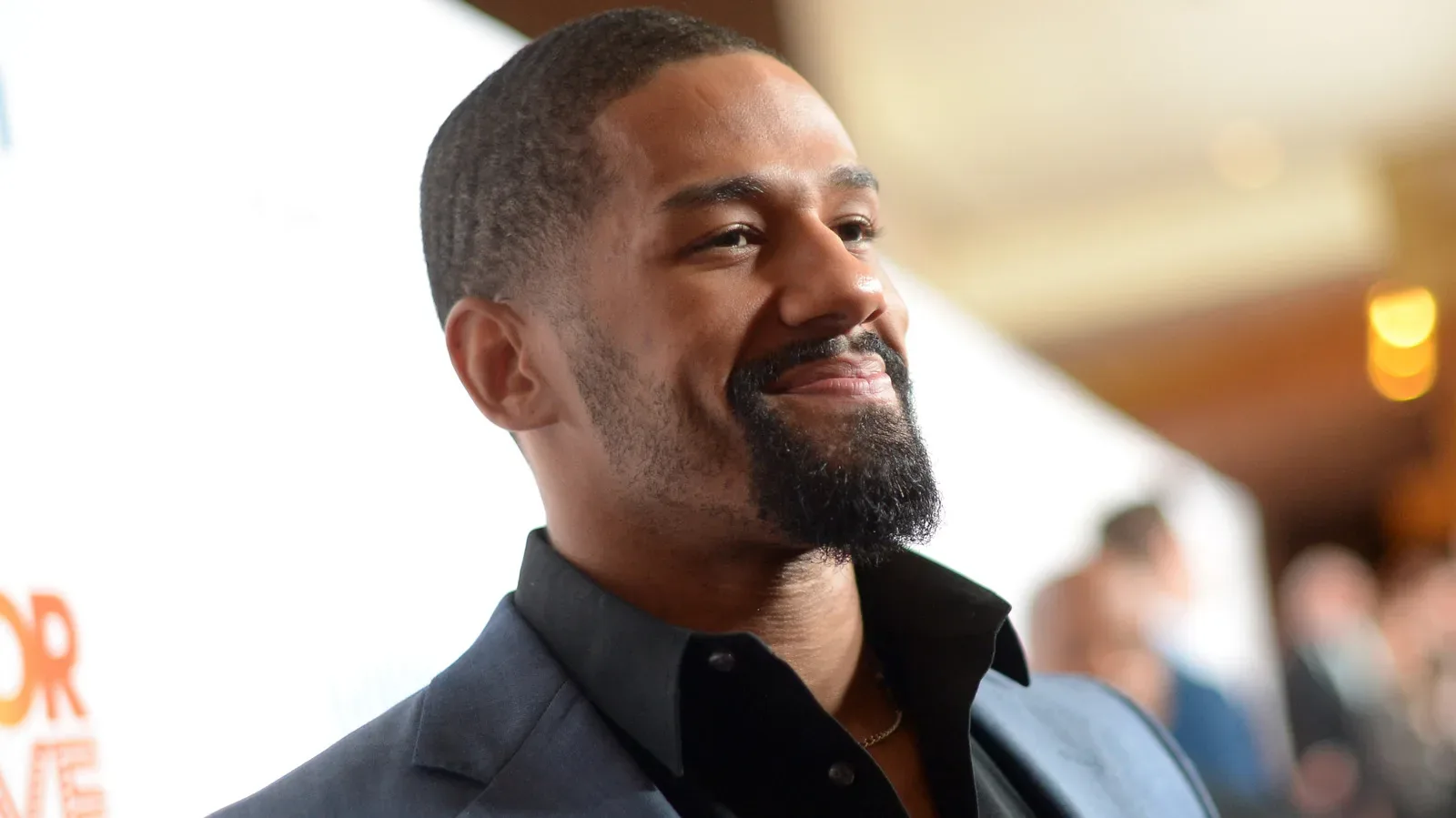
Fred Rosser has offered a heartfelt reflection on the impending closure of the NJPW Academy, describing the time he spent helping aspiring wrestlers develop as one of the most meaningful chapters of his career.
Rosser, known to many WWE fans as Darren Young, served as a trainer at the NJPW Academy in Los Angeles for more than three years. After joining New Japan Pro-Wrestling in August 2020 as an active wrestler, Rosser later took on coaching responsibilities at the academy, which also operated as the NJPW Los Angeles dojo. His role put him in position to work directly with students from a range of backgrounds and countries as they pursued a future in professional wrestling.
At the beginning of November, New Japan Pro-Wrestling revealed that it would be closing its American subsidiary, New Japan Pro-Wrestling of America Inc. The move includes the academy. While the decision means the dojo will no longer remain open in its current form, NJPW has stated that North American events will continue with the backing of TV Asahi Group, which became the company’s new owner in May.
In a video shared on Instagram, Rosser focused less on the business side of the closure and more on the personal connections and growth he witnessed while teaching at the facility. The veteran made clear that championships and in-ring accomplishments have their place, but said coaching gave him a different kind of fulfillment.
For more background on this topic, read NJPW Bound For Unbound Results: Tsuji, Takagi and Natsupoi Pick Up Wins at Korakuen Hall.
“The wins, the championships and the accomplishments are great, but watching people grow in confidence, character, and belief in themselves is the real reward for me,” Rosser said.
Rosser’s comments underline the role that a training environment can play beyond teaching holds, conditioning, timing, and match structure. A wrestling dojo is often the first place where performers learn how demanding the profession can be. It is also where they begin building the discipline, resilience, and trust needed to work safely with others in the ring. For a coach with Rosser’s experience, helping students become more assured in themselves was evidently as important as preparing them for the physical expectations of the sport.
He also addressed the students who trained under him during the academy’s run, expressing appreciation for their willingness to include him in their journeys. Rosser did not frame the relationship as one-directional, instead emphasizing that he received something meaningful from the people he coached.
“To every student who walked through those dojo doors, thank you for allowing me to be a part of your journey and I hope I gave you even half as much as you gave me,” Rosser said.
The statement is particularly notable given Rosser’s long and varied path in wrestling. Before arriving in NJPW, he spent years in WWE, where he gained national exposure as Darren Young. His WWE tenure included tag team success alongside Titus O’Neil as part of The Prime Time Players, and he later became a prominent figure in the company’s main roster landscape as an openly gay performer. His career after WWE has included a major singles run in New Japan, where he captured the NJPW STRONG Openweight Championship.
That background gave Rosser a broad base of experience to bring into the coaching role. He has worked in televised wrestling, tag team wrestling, singles competition, independent settings, and the New Japan system. For newer wrestlers entering a dojo, guidance from someone who has navigated those environments can be especially valuable. Rosser’s message suggests that passing along those lessons became central to how he viewed his place in the industry.
He said the closing of the physical space will not erase the impact of the work done there.
“The dojo may be closing its doors but the lessons and the relationships and the memories will live on with me forever,” Rosser said. “Coaching was never just a job to me. It was, it will always be my purpose.”
The NJPW Academy was an important part of New Japan’s efforts to establish a stronger developmental presence in the United States. New Japan Pro-Wrestling of America Inc. was founded in 2019 as the promotion expanded its footprint in the North American market. That expansion included live events, the NJPW STRONG brand, partnerships, and opportunities for American-based talent to work under the New Japan banner.
The Los Angeles-based academy gave that strategy a training hub in a region with deep wrestling history and a large pool of aspiring talent. Closing the academy naturally creates uncertainty for those who had viewed it as a potential entry point into the NJPW system. Rosser’s remarks did not attempt to minimize that disappointment. Instead, they offered a reminder that the lessons learned within a wrestling school can continue to shape performers long after a particular building closes.
What Comes Next For Fred Rosser?
Rosser did not reveal what he intends to do next following the closure of New Japan Pro-Wrestling of America Inc. and the academy. There was no announcement in his message regarding a new coaching position, a return to full-time competition, or any other post-academy plans.
His most recent NJPW match took place at NJPW The New Beginning USA 206 in February, when he was defeated by David Finlay. The result marked Rosser’s latest recorded in-ring appearance for the promotion, but it does not by itself clarify whether his active wrestling career is over or whether he could continue to compete elsewhere.
What Rosser did make clear is that coaching remains deeply important to him. His use of the word “purpose” carries weight, particularly from a wrestler who has already achieved notable milestones in multiple stages of his career. Many veteran performers eventually transition into training, producing, or mentoring younger talent, but Rosser’s statement presents that work as more than a natural next step. He views it as a defining part of what he wants to contribute to wrestling.
That outlook could make Rosser an appealing coach for any school, promotion, or developmental program seeking someone with both ring credibility and an evident commitment to student growth. Still, no such destination has been announced, and his immediate future remains unconfirmed.
NJPW’s North American Presence Will Continue
Although the closure of the American subsidiary and academy represents a significant operational change, New Japan has indicated that it is not stepping away from North America as a live-event market. The company’s closure announcement noted that North American shows will continue, supported fully by TV Asahi Group.
That distinction matters for wrestlers and fans alike. The end of New Japan Pro-Wrestling of America Inc. means a change in the business structure that handled the company’s U.S. operations, and it ends the academy’s current run. It does not mean that NJPW events in North America are finished. New Japan has maintained an international audience for years, and its American shows have been a notable part of its modern expansion.
For Rosser, however, the academy’s closing is clearly a more intimate matter than a corporate transition. His message centered on the people who entered the dojo, the confidence they developed, and the relationships formed through training. Those are the elements that tend to define a coach’s legacy even when the wrestling business changes around them.
The NJPW Academy’s doors may be closing, but Rosser’s comments point to the lasting influence of the students who passed through them. As for the former NJPW STRONG Openweight Champion’s own next move, he has left that question open. What is certain is that he sees teaching and mentoring as a lasting calling, one he intends to carry with him beyond the end of the Los Angeles dojo.
In pictures

Darryl Polo
Darryl Polo is a passionate wrestling fan covering WWE, AEW, TNA and beyond. He loves great rivalries, breakout stars and the moments that keep fans talking long after the bell. How we work.