
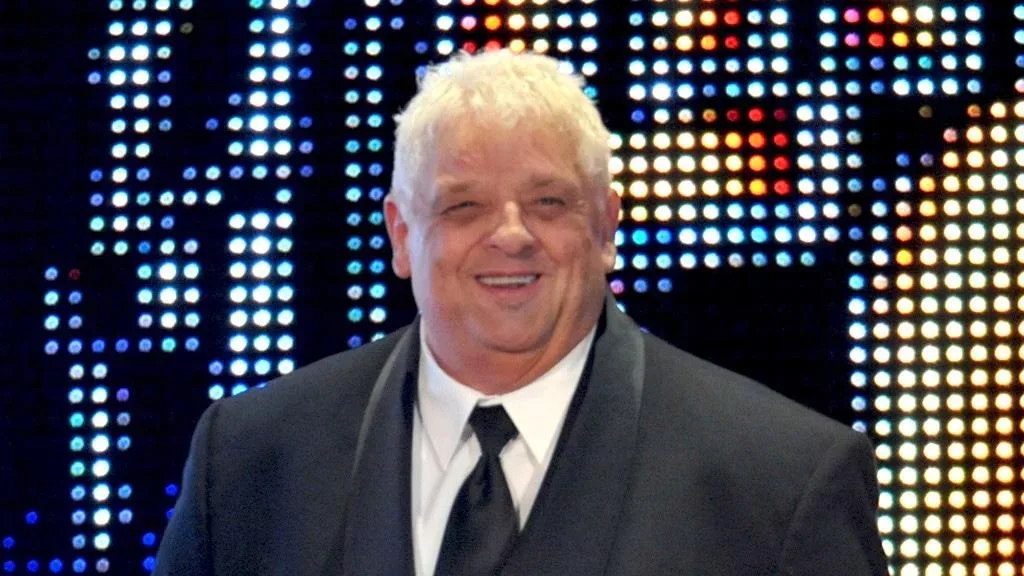
Zach Bryan has brought one of professional wrestling’s most recognizable speeches into his new music. Bryan’s song, “Robot Killed The Working Man,” opens with audio from Dusty Rhodes’ celebrated “Hard Times” promo, connecting the late WWE Hall of Famer’s words about economic hardship to a modern song about work, technology and displacement.
The choice is especially pointed given the subject matter of Bryan’s lyrics. Rhodes’ promo addressed the strain placed on workers and families when jobs disappear, while Bryan’s chorus frames that same fear through the image of machines replacing people. The track uses wrestling history not as a passing reference, but as the foundation for its central message.
Dusty Rhodes’ words set the tone
Rhodes’ “Hard Times” promo remains a defining example of his ability to speak in the language of working-class frustration. In the excerpt used by Bryan, Rhodes speaks about textile and auto workers losing employment, families struggling to afford food, and a person being pushed out of a long-held job because a computer has taken over the position.
“You don’t know what hard times are, daddy.”
For more background on this topic, read NWA Powerrr Results (10/10): Hardway Retain, Federation of Champions Win Main Event.
That line immediately establishes the tone of Bryan’s song. Rhodes was not presenting hardship as an abstract idea. His words focus on people whose livelihoods have been taken away and on the insecurity that follows when work is no longer guaranteed. The closing image from the promo excerpt—of a worker being told that a computer has taken his place—makes it a natural fit for a track titled “Robot Killed The Working Man.”
The promo’s relevance to the song is clear without needing any major alteration. Rhodes’ message came from a wrestling setting, yet it was built around anxieties recognizable outside the ring: layoffs, lost income, family obligations and the sense that years of loyalty can be erased by forces beyond a worker’s control.
‘Robot Killed The Working Man’ builds on that theme
After Rhodes’ opening, Bryan’s chorus moves the idea forward in direct terms. He sings that “the robot killed the working man” and describes the loss of the tools of physical labor, including a nail and hammer taken from a worker’s hands. The song also references land being sold off and machines replacing “the good book,” giving the chorus a bleak view of a changing world.
Rather than treating automation as a distant possibility, the lyrics present it as something that has already happened. The phrase “sooner or later, more soon than not” underlines that urgency. Bryan’s perspective is not focused on a technical debate about innovation; it is centered on what happens to people when the work that defined their daily lives is removed.
That makes the Dusty Rhodes sample more than an introduction. Rhodes’ speech supplies the human voice behind the song’s concern. Bryan’s lyrics then apply the same working-class language to an age in which robots and machines stand in for the “computer” Rhodes referenced.
The title itself is blunt, and the chorus stays consistent with that approach. Bryan does not present the working man’s fate as a complicated mystery. The song identifies a cause, identifies the loss and emphasizes the absence of a “helping hand” for those left behind.
Why the Dusty Rhodes promo still resonates
Rhodes was known for making his promos feel personal and immediate. His “Hard Times” speech endures because it was grounded in images that many listeners could understand: parents trying to provide for children, workers being sent home, and someone finding out that decades of effort have not protected their job.
Those themes give the promo an unusual lifespan. It is remembered in wrestling because of Rhodes’ charisma, delivery and connection with audiences, but its appeal has always gone beyond wrestling storylines. The speech presents hardship as something shared by ordinary people, which is why its language can still carry weight when placed in a song about labor and technology.
Bryan’s use of the promo also emphasizes the contrast between the two eras represented in the track. Rhodes spoke of workers losing their place to a computer. Bryan’s title advances that image from a computer to a robot. The terminology changes, but the concern remains recognizable: what happens when a person’s value is measured against a machine that can perform the same task?
That continuity is the key reason the sample works. The song does not need to explain Dusty Rhodes’ place in wrestling history for the emotional point to land. His voice, and the hardship described in his words, immediately frames the rest of the track.
Bryan’s established connection to wrestling
Professional wrestling is not entirely new territory around Bryan’s live shows. He is currently on tour and has previously welcomed wrestlers on stage at concerts. Braun Strowman, Brock Lesnar and Britt Baker have all appeared with Bryan during his concerts.
Those appearances show that wrestling has already been part of Bryan’s orbit, even before the use of the Dusty Rhodes promo in “Robot Killed The Working Man.” Strowman and Lesnar are among the most recognizable names connected to WWE, while Baker has been a prominent figure in AEW. Their appearances on stage gave Bryan’s audiences visible reminders of his interest in the wrestling world.
The new song takes that relationship in a different direction. A guest appearance can be a memorable live moment. Sampling Rhodes’ words places wrestling inside the artistic structure of the song itself. It uses a piece of wrestling’s verbal history to introduce a subject that the song then explores from its own perspective.
A wrestling voice inside a modern labor song
“Robot Killed The Working Man” is built around a concern that Dusty Rhodes articulated in memorable fashion: the fear that people who have given their lives to a job can be discarded without support. Bryan’s lyrics make that concern contemporary by putting machines at the center of the narrative.
The track’s opening allows Rhodes’ voice to function as a bridge between generations. The exact technology may be different, but the song’s emotional focus is close to the one outlined in the promo: work matters, losing work hurts, and the impact reaches far beyond the individual who receives the bad news.
For wrestling fans, the use of the “Hard Times” promo is a striking reminder of how far Rhodes’ words have traveled. The speech has remained an important part of his legacy because it was delivered with conviction and because its subject was bigger than a single match or rivalry. Bryan’s song gives those words another setting in which to be heard.
For Bryan’s listeners, the sample introduces the song with a voice that has already captured the anger and sadness at the heart of its lyrics. The result is a direct pairing: Dusty Rhodes describes hard times for workers, and Zach Bryan sings about a world in which the working man has been replaced.

Darryl Polo
Darryl Polo is a passionate wrestling fan covering WWE, AEW, TNA and beyond. He loves great rivalries, breakout stars and the moments that keep fans talking long after the bell. How we work.