
WWE’s decision to schedule a delayed YouTube presentation of Worlds Collide opposite AEW Dynamite has added another chapter to the increasingly visible battle for wrestling viewers’ attention. The event, held outside Chicago over the weekend, brought together WWE and AAA talent and included an appearance by Chicago-area favorite CM Punk. Rather than airing the show live on Saturday, WWE is expected to make it available on Wednesday.
The notable part of that plan is the proposed start time. Worlds Collide is expected to begin one hour before AEW’s weekly flagship show, creating an overlap with Dynamite while also giving WWE and AAA programming a head start in the evening. The scheduling comes immediately after AEW staged its annual All Out pay-per-view in the same general Chicago area during the same weekend.
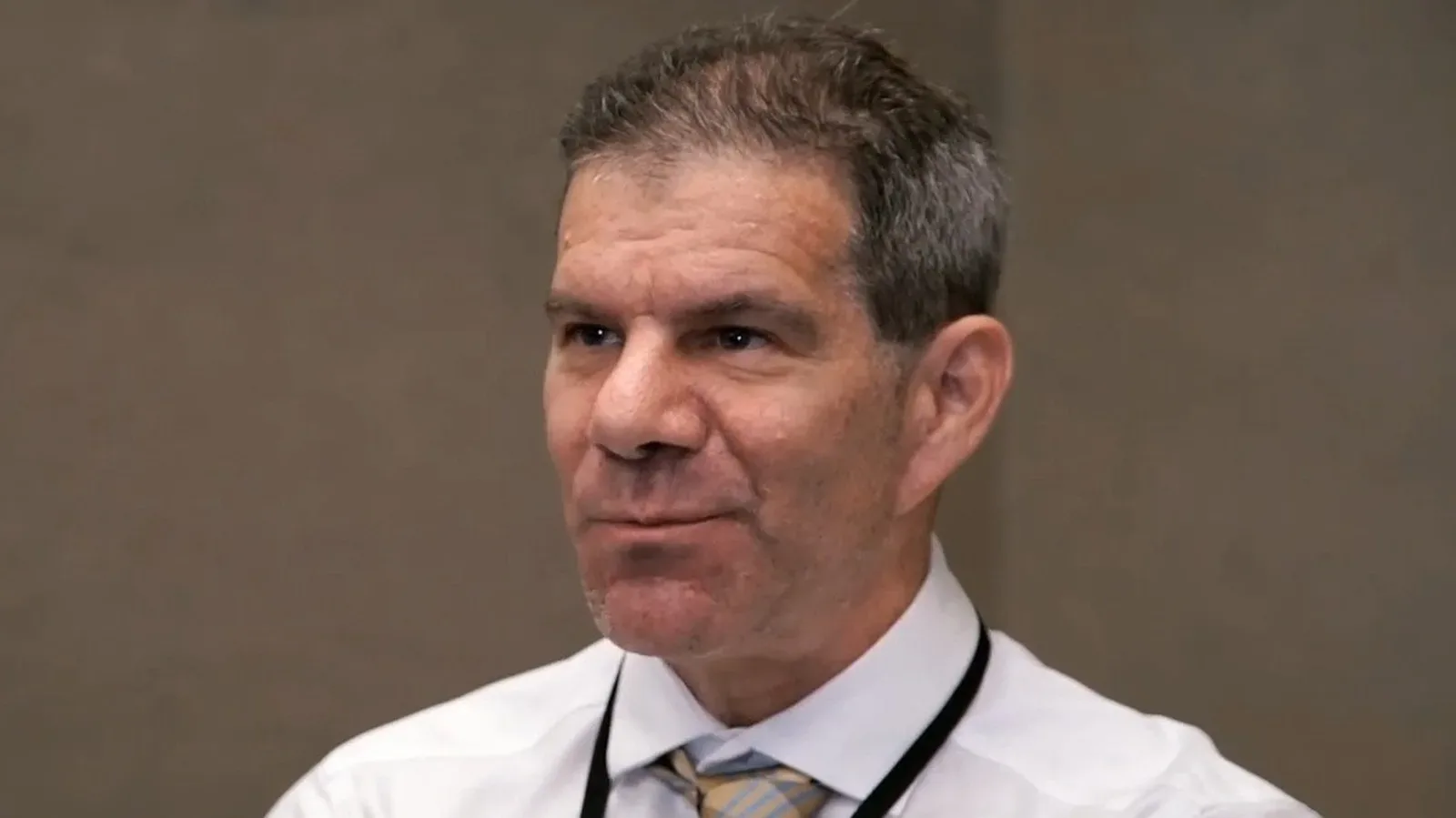
On Wrestling Observer Radio, Dave Meltzer addressed the apparent thinking behind WWE’s timing. Meltzer said, “Ultimately, the goal is that they don't get renewed, and the way to not get renewed is to hurt their TV ratings.”
The remark frames the situation as a longer-term competitive move rather than simply a one-night effort to draw viewers away from AEW. A stream beginning before Dynamite gives fans a choice at the start of the evening, and it could make some viewers less likely to begin the AEW broadcast live. In modern television measurement, even a modest shift in live viewing can become part of a broader conversation around a program’s weekly performance, its audience consistency, and its perceived value to a network partner.
For more background on this topic, read AEW Announces Death Of PAC, Benjamin Satterly, At Age 40.
At the same time, Meltzer did not characterize the expected counterprogramming as something likely to create a major immediate problem for AEW. “I mean, will it hurt? Miniscule,” he said on Wrestling Observer Radio. “But that's why they're doing it, in the idea of: 'We'll get the one hour jump on them.'”
That distinction is central to understanding the reported strategy. The purpose of a one-hour head start does not necessarily have to be producing a dramatic ratings swing in a single week. It can be about creating friction for another promotion’s audience, challenging habits around when fans tune in, and ensuring that WWE has a presence on a night strongly associated with AEW’s primary weekly television product.
A weekend shared by WWE, AAA and AEW
Worlds Collide arrived in a particularly competitive setting. WWE’s event featured AAA wrestlers as part of the ongoing relationship between the companies, while CM Punk’s involvement gave the presentation a major connection to the Chicago market. At the same time, AEW was in the area for All Out, one of the company’s established annual pay-per-view events.
Wrestling promotions have long used geography, event weekends and programming windows to try to maximize attention. What makes this instance stand out is the plan to hold the Worlds Collide broadcast until Wednesday and then place it into a window that intersects with Dynamite. A delayed release can turn a completed event into fresh midweek programming, particularly when it is framed as a special presentation rather than a routine episode of a weekly series.
For WWE, the YouTube format also gives the company a potentially broad reach without requiring viewers to have a particular television subscription or streaming package. For AAA talent, the presentation offers exposure to WWE’s digital audience and continues the crossover element that has become an important part of Worlds Collide. For fans, however, the Wednesday placement means making a viewing decision during a period when AEW has traditionally held a regular national time slot.
There is also a difference between a major event and a weekly television program that may shape how viewers approach the overlap. Dynamite is built around established weekly viewing habits. Worlds Collide, by contrast, is a special event already completed days earlier. Some fans may choose to watch WWE’s stream as it premieres, while others may wait and watch it later on demand. That flexibility could limit the direct effect on AEW’s live audience, even if the competing stream still draws attention on social media and across the wrestling media landscape.
Why the first hour matters
The first hour of a live wrestling broadcast is especially important because it is when a promotion seeks to establish momentum. An opening match, a major angle, or a heavily promoted appearance can influence whether a viewer stays for the rest of the night. Starting Worlds Collide an hour earlier creates a chance for WWE to capture viewers before Dynamite begins rather than asking them to switch away after AEW is already underway.
That approach does not mean viewers must choose only one show for the entire evening. Many wrestling fans watch one program live while catching another later, follow both through clips and updates, or move between broadcasts. Still, live viewership remains a major point of discussion around wrestling television, and a direct overlap inevitably invites comparisons.
Meltzer’s comments suggest the reported timing is intended to exploit precisely that reality. Even if the impact is small in a given week, gaining an hour of viewer attention before AEW’s broadcast begins can be viewed as an advantage. It may also force a discussion about whether AEW should alter its own opening-hour approach, though there has been no indication that Dynamite will make a programming adjustment because of the scheduled WWE stream.
From AEW’s side, the challenge is not only competing for viewers but also maintaining the focus of its audience after a major pay-per-view weekend. All Out can provide momentum for the next Dynamite, as pay-per-view fallout often delivers new matches, fresh story developments and consequences from the event. A Wednesday episode following a significant pay-per-view typically has its own built-in importance, regardless of outside competition.
Benjamin Satterly’s death could alter the night’s context
The programming picture carries a far more serious uncertainty following the reported death over the weekend of Benjamin Satterly, known to wrestling fans as Pac and Neville. Satterly’s career included prominent runs in WWE and AEW, making the news meaningful across the industry and especially emotional for those who worked with him.
AEW had not announced plans for Wednesday’s Dynamite at the time of the reports surrounding the WWE stream. The company has, however, previously devoted episodes of Dynamite to honoring wrestlers who have died, including current and former members of its roster. Should AEW choose to make Wednesday’s broadcast a memorial episode for Satterly, the tone and significance of the show would be fundamentally different from a standard week of competitive wrestling programming.
That possibility also raises a question for WWE concerning whether it will proceed with the planned Worlds Collide premiere in the same window. No change to the stream has been confirmed. WWE could move ahead with the original plan, especially given that the event has already taken place and the YouTube premiere has reportedly been scheduled. But the circumstances surrounding Satterly’s death could make a direct overlap more sensitive than a normal ratings-related programming decision.
There is no confirmed indication that WWE intends to alter the timing, and there is likewise no official announcement that AEW will structure Dynamite as a tribute show. Until either company addresses its programming, both the timing of Worlds Collide and the format of Wednesday’s AEW broadcast remain issues to watch.
An overlap that will draw attention either way
Whether the one-hour head start produces a measurable effect or not, WWE’s expected move ensures that Wednesday will be closely scrutinized. Fans will look at the presentation of Worlds Collide, the continued WWE-AAA collaboration, CM Punk’s role in the event, and the response to an unusual midweek YouTube premiere. AEW viewers will be focused on the company’s first major television step after All Out and, above all, how it chooses to address the loss of Satterly.
The immediate ratings impact may indeed be limited, as Meltzer suggested, but the symbolism is harder to miss. WWE is positioning a special event in direct proximity to AEW’s weekly showcase, and it is doing so with enough of a lead-in to compete for attention before the AEW broadcast starts. In a wrestling environment where content is plentiful and audience habits are constantly contested, that one-hour difference is clearly part of the strategy.
For now, the expected Wednesday schedule has two very different stories attached to it: a competitive programming maneuver involving WWE, AAA and AEW, and a potential night of remembrance for Benjamin Satterly. The final shape of the evening will depend on announcements still to come, but its importance has already moved beyond an ordinary case of overlapping wrestling broadcasts.
In pictures

Darryl Polo
Darryl Polo is a passionate wrestling fan covering WWE, AEW, TNA and beyond. He loves great rivalries, breakout stars and the moments that keep fans talking long after the bell. How we work.