
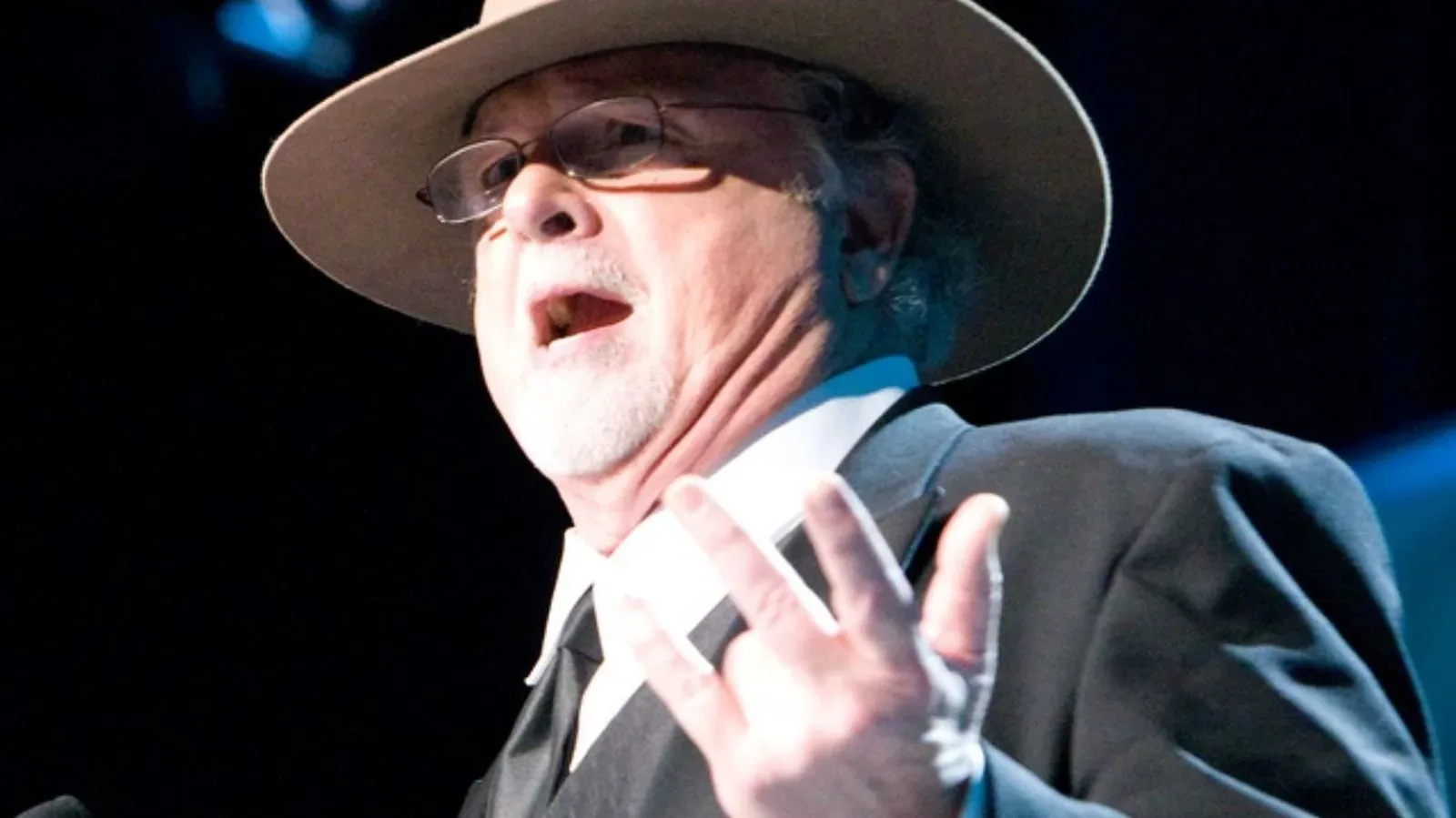
WWE Hall of Famer and influential wrestling promoter “Cowboy” Bill Watts has died at the age of 87, prompting an outpouring of reactions from performers and industry figures whose careers intersected with his long and consequential time in professional wrestling.
Watts’ name carries enormous weight in the history of the business. As a promoter and creative force, he helped shape the paths of numerous wrestlers who would go on to become major stars on a national stage. His impact was especially evident through Mid-South and the UWF, while his later work in WCW also connected him with a wide range of talent from multiple generations.
The tributes that followed the news have not ignored the complexity of Watts’ legacy. Watts left WCW in 1993 after making racist and homophobic comments in an interview, a chapter that remains inseparable from any full examination of his career. At the same time, many of the wrestlers who worked under him have chosen to acknowledge the professional opportunities, lessons, and influence they associate with the former promoter.
View the referenced post on X
View the referenced post on X
View the referenced post on X
Among the most prominent voices to remember Watts was Shawn Michaels. The WWE Hall of Famer and current NXT head began his career in Mid-South in 1984, making his connection to Watts one that dates back to the earliest days of Michaels’ journey in wrestling.
For more background on this topic, read Jade Cargill Pushes Back on WWE NXT Criticism Ahead of Survivor Series WarGames.
“Cowboy had a tremendous impact on this business and my career,” Michaels wrote while thanking Watts for the opportunity he received early in his career.
Michaels’ comments speak to Watts’ role as a formative presence for young talent. Before Michaels became one of the most celebrated in-ring performers in WWE history, his early work in the territory system gave him the chance to develop in an environment that demanded performers understand character, physicality, and the ability to draw a reaction from live crowds.
A Legacy Viewed From Different Angles
Missy Hyatt offered one of the more candid remembrances of Watts, describing him as “bombastic and a bully” at times. Her reflection did not attempt to soften their personal differences. Still, Hyatt also expressed respect for Watts’ vision of professional wrestling and suggested that the industry would be better served if more people approached the business with the same kind of belief in its fundamentals.
That contrast has been present throughout the reaction to Watts’ passing. For many, he was an uncompromising figure with a commanding personality and firm opinions about how wrestling should be presented. That approach could create conflict, particularly in a business full of strong personalities. Yet it also produced a body of work that affected the careers of an extensive list of wrestlers, managers, and promoters.
Former Demolition members Barry Darsow and Bill Eadie were also among those who paid their respects. Their reactions joined a growing collection of messages from performers who recognized that Watts’ reach went beyond one promotion or one era. The tributes have come from people associated with Mid-South, the UWF, WCW, WWE, and other corners of the industry.
Dan Spivey and Diamond Dallas Page each offered condolences to the Watts family. Those messages also acknowledged Bill’s son, Erik Watts, who had his own prominent runs in both WWE and WCW. In the immediate aftermath of the announcement, much of the wrestling community’s attention has understandably turned toward the family as they deal with the loss.
Marc Mero, who worked as Johnny B. Badd in WCW while Watts was involved with the promotion, reflected on Watts’ wrestling legacy as well. Mero’s career became closely tied to WCW during a crucial period, and his response added another perspective from someone who experienced Watts’ leadership directly in that environment.
Peers Credit Watts’ Influence
Fellow WWE Hall of Famer Tully Blanchard praised Watts’ contributions to professional wrestling. Blanchard’s words carried particular significance given his standing as one of the defining stars from the territory era and a performer whose career was built during a time when regional promotions and their leaders held immense influence over the direction of the industry.
William Regal also looked back on a pivotal opportunity connected to Watts. Regal credited him with bringing him to the United States to work for WCW in 1993. For Regal, the move was an important moment in a career that would eventually include success as both a performer and a respected authority behind the scenes in WWE.
Regal’s recollection is a reminder that Watts’ influence was not confined to the stars he promoted from within the American territory system. His decisions also helped create opportunities for international talent seeking a chance to establish themselves in the United States. The ripple effects of those decisions continued long after Watts’ own active promotional roles changed.
Stevie Ray remembered Watts as “his first hero,” a simple but powerful description from a former WCW star. The statement reflects the personal impact Watts could have on aspiring wrestlers and those who watched his work before entering the profession themselves. In wrestling, figures who create opportunities or provide a model for how the business can be run often remain influential long after individual storylines and matches have faded from memory.
Sting Reflects On Lessons From The UWF
Sting’s tribute offered another connection to Watts’ work during the UWF era. Before he became one of the most recognizable and enduring stars in the history of professional wrestling, Sting gained early notoriety in Watts’ UWF as one half of The Blade Runners alongside Ultimate Warrior.
That period was an important launch point for both men. Their careers would soon take very different routes, but each ultimately became synonymous with a distinct era of major-league wrestling. Sting’s later success in WCW, TNA, and WWE made him a central figure across several decades, and he remains one of the most credible voices when discussing the people who helped guide him at the beginning.
In remembering Watts, Sting said he was glad the two had been able to share “really good conversations” during the final years of Watts’ life. He also expressed gratitude for the lessons Watts passed along during his career.
Sting said he was grateful for all the lessons Watts had imparted to him.
For a wrestler of Sting’s stature, that acknowledgement underscores the regard many performers retained for Watts’ professional knowledge. Watts was associated with an approach that valued the basics of the business: creating clear stakes, presenting distinct personalities, connecting with an audience, and understanding the importance of making a match or feud matter to paying fans.
Those principles have continued to be discussed across generations, even as wrestling itself has changed dramatically. The industry now operates in a global media landscape far removed from the regional territory structure that defined much of Watts’ most influential work. Still, the performers paying tribute this week illustrate how ideas developed in earlier eras can remain meaningful to people working in modern wrestling.
Remembering An Enduring, Complicated Figure
The breadth of the reactions to Watts’ death reflects the unusual scope of his career. He was not remembered only as a WWE Hall of Famer, only as a WCW executive, or only as a promoter from the territory era. He was remembered as someone who affected individual lives and careers in vastly different ways.
For Michaels, Watts represented an early opportunity. For Sting, he was a teacher whose lessons endured. For Regal, he was responsible for a major career opening in the United States. Hyatt’s remarks, meanwhile, emphasized that respect for Watts’ wrestling vision could coexist with an honest recognition of difficult personal experiences.
That range of views is likely to define the conversation surrounding Watts’ passing. His career left a substantial imprint on professional wrestling, while the controversies attached to his time in WCW remain part of the historical record. The remembrances from those who knew and worked with him have captured both realities: a powerful, often divisive personality, and a promoter whose influence can still be seen in the careers of generations of wrestlers.
Watts is survived by a family that includes Erik Watts. As condolences continue to arrive from across the wrestling world, the industry is reflecting on the life and legacy of a figure whose impact was undeniable, even when opinions about him were far from uniform.
In pictures

Darryl Polo
Darryl Polo is a passionate wrestling fan covering WWE, AEW, TNA and beyond. He loves great rivalries, breakout stars and the moments that keep fans talking long after the bell. How we work.