
Newly unredacted material connected to the WWE shareholder merger litigation has revealed a notable component of WWE’s media rights arrangement with Netflix: Netflix was given first rights to negotiate for UFC’s domestic media rights.
The detail emerged from documents obtained by Brandon Thurston in his coverage of the shareholder lawsuit tied to the WWE-UFC merger. The language does not indicate that Netflix ultimately acquired UFC’s domestic package. Instead, the UFC rights in question ultimately went to Paramount rather than Netflix.
That distinction is central. First negotiation rights can provide a prospective media partner with an early opportunity to discuss a deal before a rights package is finalized elsewhere, but they do not ensure that an agreement will be reached. In this case, Netflix’s contractual opportunity to negotiate did not result in the company landing the UFC domestic rights.
View the referenced post on X
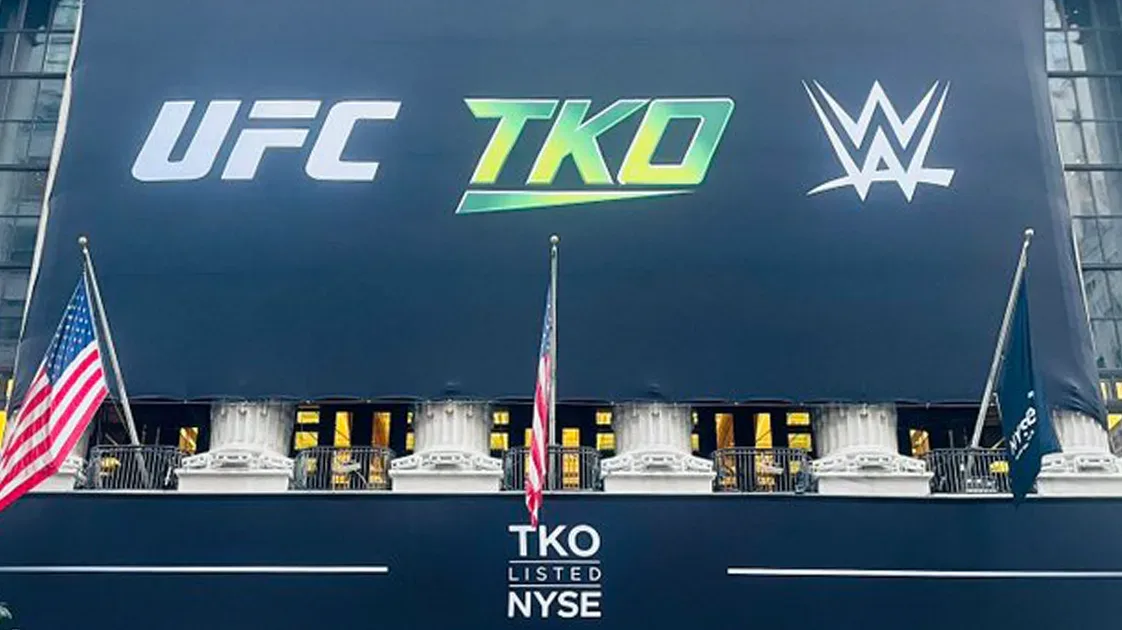
The revelation also places WWE’s Netflix relationship in a broader corporate context. While WWE and UFC are distinct brands with different programming identities and media arrangements, both sit under the TKO umbrella following the 2023 merger that brought WWE together with UFC. The newly disclosed contractual provision was cited in the litigation as evidence relevant to a dispute over the merger’s alleged business benefits.
For more background on this topic, read Kam Hendrix Interference Helps Jackson Drake Retain NXT North American Championship.
What the Unredacted Language Reveals
Thurston summarized the disclosed provision plainly: WWE’s media rights agreement with Netflix gave the streaming company first rights to negotiate for UFC domestic media rights. He further noted that Paramount, not Netflix, ultimately obtained those UFC rights.
The reported language provides a concrete example of how the combined WWE-UFC structure could be presented to potential media partners. Netflix’s WWE agreement was not simply confined to the immediate WWE programming rights acquired by the streamer. It also apparently created a negotiating pathway involving UFC’s domestic rights.
There is an important limit to what can be concluded from the material. The documents establish that Netflix had first rights to negotiate; they do not establish the full scope of negotiations, the precise financial terms that may have been discussed, or why Netflix and UFC did not ultimately reach a domestic rights agreement. No such details should be inferred from the disclosed provision alone.
Still, the term illustrates the strategic value that can come from having WWE and UFC housed within the same corporate structure. A media company entering a major agreement involving one property may gain an avenue to explore future business around the other. That does not mean every such discussion will lead to a unified package, but it can expand the range of potential conversations available to both sides.
The Role of the Provision in the Merger Litigation
The Netflix-UFC negotiating right became relevant because WWE’s attorneys invoked it during the shareholder litigation surrounding the merger. The argument came amid a dispute about whether evidence relating to media rights developments after the merger should be included at what was ultimately a cancelled trial.
WWE’s legal position was that post-merger media rights evidence was relevant because it supported the view that combining WWE and UFC produced benefits in the media rights marketplace. That position was presented in opposition to an assertion by the plaintiffs’ expert, who had argued against the claimed advantages of the merger in that area.
In other words, the disclosed Netflix provision was not presented merely as an interesting deal point. It was used as part of a larger legal argument over whether the merger created practical commercial opportunities that would not have existed in the same form before WWE and UFC were brought together.
The case concerned shareholder challenges surrounding the transaction that created TKO. The WWE portion of the merger lawsuit settlement has since been revealed, while the previously anticipated trial did not take place. The unredacted material nonetheless offers a clearer look at arguments and business considerations that were raised during the litigation process.
Netflix’s WWE Relationship
Netflix’s place in WWE’s media strategy has been one of the most significant developments in professional wrestling’s modern rights landscape. The streamer became a major WWE partner through its rights agreement, giving Netflix a high-profile position in the company’s distribution plans.
Adding a first negotiation right connected to UFC domestic media rights underscores the scale of the relationship contemplated by the parties. Rather than treating the WWE agreement as an entirely isolated transaction, the arrangement apparently gave Netflix an opportunity to discuss a future UFC domestic package as well.
That does not mean Netflix was guaranteed access to UFC programming, nor does it mean UFC rights were bundled with WWE rights. The fact that Paramount ultimately secured the UFC domestic rights makes clear that the first-negotiation mechanism did not determine the final outcome. It did, however, provide Netflix with an initial seat at the table for a valuable sports media discussion.
For Netflix, that kind of opportunity would have represented a potential expansion into another premium live sports and combat sports property. For TKO, it created another possible avenue through which the company could evaluate interest in UFC’s domestic rights. The ultimate Paramount result demonstrates that the market remained competitive and that initial negotiating access is only one part of a larger rights process.
Why the Distinction Matters
Media rights reporting often uses terms such as first negotiation, matching rights, exclusive negotiating windows, and right of first refusal interchangeably in casual discussion, but they can describe meaningfully different arrangements. The disclosed detail here concerns first rights to negotiate.
That phrase indicates Netflix had the first opportunity to enter talks over UFC domestic rights. It does not necessarily mean Netflix could block another bidder, automatically match another proposal, or claim the rights if it chose to do so. The final destination of the rights with Paramount reinforces that the provision was an opening for negotiations rather than a guarantee of a deal.
The difference also matters to the legal argument advanced by WWE’s attorneys. Their point was not that Netflix’s WWE deal delivered UFC rights to Netflix. Rather, the existence of the negotiating right could be framed as evidence that the post-merger corporate structure created cross-property value in media rights discussions.
That is a narrower claim than saying WWE and UFC must always be sold together, or that every media partner for one brand will become a partner for the other. The available information does not support either conclusion. Instead, it shows that the companies could use the relationship between their two major properties to create additional negotiating opportunities.
Paramount Ultimately Lands UFC Domestic Rights
Although Netflix had the first opportunity to negotiate, Paramount ultimately obtained UFC’s domestic media rights. The disclosed information therefore reflects both the importance and the limitations of early negotiating access.
Paramount’s successful acquisition of the rights establishes the final result of the process: Netflix did not become the UFC domestic rights holder through the provision in its WWE arrangement. Any examination of the document must keep that outcome in view.
At the same time, the fact that Netflix was contractually positioned to negotiate first remains notable because it demonstrates the kind of leverage and optionality TKO could build into agreements after the WWE-UFC combination. A deal centered on WWE could include a route for conversations about UFC, even if those conversations did not culminate in an agreement.
For WWE fans, the disclosure does not announce a change to WWE programming distribution or a new UFC-WWE content package. It is instead a behind-the-scenes look at a contractual feature and the role it played in a legal debate over the merger’s effects.
A Window Into TKO’s Media Rights Approach
The unredacted document offers a useful window into the commercial logic that can accompany a major merger. WWE and UFC retain separate audiences, schedules, histories, and content demands. Yet their shared ownership can allow the company to present broader possibilities to streaming services and traditional media companies.
In this instance, Netflix’s WWE agreement reportedly carried an additional UFC-related negotiating opportunity. Paramount eventually won the UFC domestic rights, but the provision itself became part of WWE’s argument that the merger created media rights advantages.
That argument was contested in the shareholder litigation, and the cancelled trial means it was not tested through a completed courtroom proceeding. Nevertheless, the document now makes the underlying point more tangible: the post-merger business structure allowed Netflix’s WWE deal to include an initial right to pursue negotiations for a separate UFC domestic rights package.
The development is a reminder that modern wrestling and combat sports media agreements can involve far more than the programming immediately named in a headline. Rights deals can include strategic provisions, future negotiating opportunities, and cross-brand considerations that become especially relevant when major properties operate under a single corporate parent.
In this case, Netflix received the first chance to negotiate for UFC domestic rights, Paramount ultimately secured those rights, and the provision became a significant piece of WWE’s legal argument about the potential media value generated by the WWE-UFC merger.

Darryl Polo
Darryl Polo is a passionate wrestling fan covering WWE, AEW, TNA and beyond. He loves great rivalries, breakout stars and the moments that keep fans talking long after the bell. How we work.