
Rob Fee’s standing within WWE appears to remain strong as the company continues to place increased emphasis on character presentation, long-range storytelling and supplementary digital content. Fee, who joined WWE in 2022 after working in the comic-book world, has become one of the more recognizable names associated with the promotion’s creative structure despite generally operating behind the scenes.
Fee was initially hired as WWE’s Director of Long-Term Creative in 2022 before being promoted to Director of Character Development in 2024. Those titles point to a role that extends beyond simply helping shape the week-to-week direction of television. Long-term creative planning and character development are central to how WWE builds stars, sustains storylines and gives performers identities that can work across Raw, SmackDown, premium live events and the company’s expanding digital platforms.
A recent backstage update indicated that Fee has recently been producing at least some Club WWE content. The specific pieces of Club WWE material connected to Fee were not confirmed, so the full scope of that involvement remains unclear. Still, the reported assignment is notable because it suggests that his responsibilities continue to include content outside the traditional live television creative process.
Club WWE has given the company another avenue to present personalities and concepts in a format separate from the familiar in-ring structure of weekly programming. For a creative executive whose job is tied closely to defining characters, that kind of content naturally provides opportunities to explore tone, presentation and individual performer traits in a different setting. It can also help WWE experiment with ideas that may not fit neatly into a two- or three-hour live show.
From Long-Term Creative to Character Development
The progression from Director of Long-Term Creative to Director of Character Development reflects a significant amount of trust in Fee’s work. WWE’s creative operation involves a broad range of jobs, from constructing individual segments to mapping title programs, producing video material and ensuring that talent have coherent motivations on camera. A character-focused position is particularly important because successful wrestling stories depend on audiences understanding who a performer is and why their actions matter.
That work can look very different from one act to another. Some WWE characters are grounded in direct athletic competition, while others are built around mystery, comedy, family dynamics, celebrity, fear or heightened theatricality. The strongest versions of those ideas require consistency. A performer’s visual presentation, mannerisms, dialogue, backstage scenes and in-ring behavior all need to support the same core identity.
Fee’s background before WWE also makes his creative path an interesting fit for that responsibility. Comic-book storytelling often depends on visual iconography, evolving personalities and stories that unfold over long periods of time. Those are all concepts that can translate effectively to professional wrestling when they are used to reinforce the talent rather than overwhelm them.
WWE’s modern presentation frequently uses cinematic vignettes, social-media teases, backstage material and digital storytelling alongside matches and promos. That approach puts an added premium on creative staff who can think about character in multiple formats. Fee’s reported work on Club WWE is another indication that WWE sees value in having character-focused personnel involved wherever the company is presenting its performers.
Creative Contributions Connected to Fee
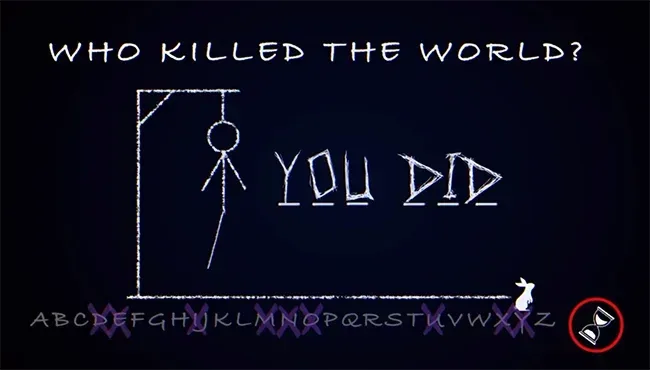
Among the creative projects most closely associated with Fee are the White Rabbit QR-code elements connected to the Wyatt Sicks and the training segments featuring Natalya and Maxxine Dupri. The two examples illustrate the range involved in WWE character work.
The White Rabbit-style material leaned into mystery and audience participation. QR codes and hidden clues ask viewers to become active participants rather than passive observers, encouraging discussion and speculation as a story develops. For acts connected to the Wyatt Sicks, atmosphere and anticipation are major parts of the presentation. The group’s identity depends heavily on distinct visuals, unsettling imagery and the sense that there is more to uncover than what has already appeared on television.
By contrast, the Natalya and Maxxine training segments were rooted in a more personal and accessible form of storytelling. The material centered on Maxxine’s development and her work with Natalya, giving viewers a way to follow growth, mentorship and persistence. That sort of story does not rely on cryptic clues or horror-inspired imagery. Instead, it works best when the audience can see progress and connect with the performer’s effort.
Putting those two projects side by side underlines why character development cannot be approached with a single formula. WWE needs creative ideas capable of serving a supernatural-leaning act, a developing in-ring performer, a serious championship contender or a comic personality. The presentation must feel appropriate to the talent involved. A style that works for the Wyatt Sicks would not necessarily work for Maxxine Dupri, and the reverse is equally true.
Dexter Lumis Discusses a Major Change
Dexter Lumis recently provided a more specific example of Fee’s influence on character presentation. Lumis revealed that Fee was the person who encouraged him to alter his look as dramatically as possible for his place with the Wyatt Sicks. Lumis responded by getting hair extensions and growing out his beard.
That detail offers a useful glimpse into the practical side of character development. A change in appearance can immediately signal a new chapter for a wrestler, especially when that wrestler is entering a group with a clearly defined aesthetic. Hair, facial hair, clothing, posture and makeup can all affect how a character is received before a word is spoken or a match begins.
For Lumis, the more dramatic appearance helped distinguish his Wyatt Sicks presentation from prior versions of the character. The choice also reinforced the group’s broader visual world. In wrestling, these changes can be deceptively important. Viewers often process a wrestler’s image instantly, and an effective alteration can make an act feel more intentional, more unified and more memorable.
The fact that Lumis publicly identified Fee as the person behind that advice also provides a rare indication of a creative executive’s direct interaction with talent. Much of WWE’s character work happens privately, and fans usually only see the final product. When performers speak positively about a contributor who works behind the camera, it can help clarify the collaborative process that shapes what reaches television.
Positive Reputation Among Talent
Fee is said to be well-liked by WWE talent, an important factor for anyone working in a role that requires collaboration with performers. Character development is not simply a matter of presenting a fully formed idea and expecting a wrestler to execute it. The best results generally require communication, flexibility and a clear understanding of what the performer can make believable.
Wrestlers are the people who must carry every creative direction in front of a live crowd and television audience. They need to understand the emotional logic of an angle, the purpose behind a new visual direction and the details that make a character feel authentic. A creative staff member who can earn trust has a better chance of helping talent take ownership of the material.
That does not mean every idea will succeed or that every WWE storyline will be judged the same way by fans. Wrestling creative is always subject to changing audience reactions, television time, injuries, roster movement and the momentum of other stories. But a positive working reputation can be valuable in navigating those challenges, particularly for someone whose role centers on helping performers build durable identities.
Fee has also received public praise from AEW’s MJF, who is not known for routinely offering complimentary remarks about others. While that does not directly define Fee’s responsibilities in WWE, it adds to the impression that his creative instincts are respected beyond his own company’s walls.
A Secure Place in WWE’s Creative Structure
There is no indication in the latest update that Fee’s position is in jeopardy. On the contrary, his reported involvement in Club WWE, his established role in character development and the positive feedback attached to his work all point toward continued security within WWE’s creative structure.
As WWE expands the number of ways it tells stories, specialists who can help establish and refine talent identities will remain valuable. Weekly television remains the centerpiece of the product, but it is no longer the only place where a wrestler’s character lives. Digital programming, short-form clips, mystery campaigns, training features and other supplemental material can all contribute to the larger picture.
Fee’s WWE tenure has already included work tied to very different kinds of storytelling, from the cryptic White Rabbit material associated with the Wyatt Sicks to the more grounded Natalya and Maxxine Dupri segments. Lumis’ account of changing his appearance at Fee’s urging adds another example of how that work can extend from broad creative concepts to specific, performer-focused decisions.
With WWE continuing to emphasize presentation across multiple platforms, Fee’s role appears positioned to remain an important one. The exact details of his Club WWE work may not yet be public, but the larger takeaway is clear: WWE continues to utilize Fee in creative capacities, and his standing with talent and within the company appears positive.
Keep reading on SmackDownOnYou

Darryl Polo
Darryl Polo is a passionate wrestling fan covering WWE, AEW, TNA and beyond. He loves great rivalries, breakout stars and the moments that keep fans talking long after the bell. How we work.