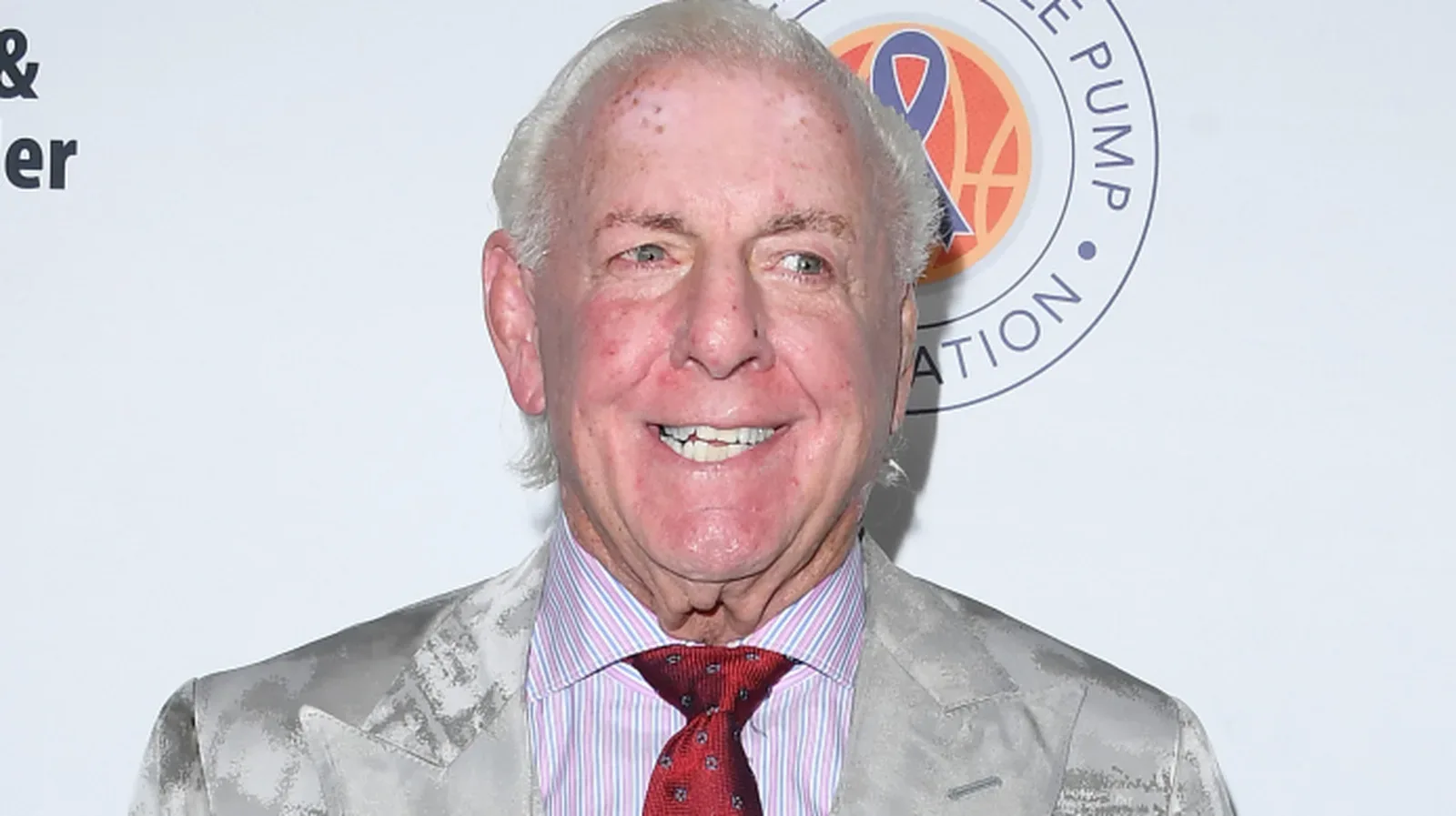
Ric Flair is reportedly taking legal action against digital talent agency FAM Networks, alleging that the company obtained sweeping control over his name, image, likeness, voice, social-media presence and commercial identity through an agreement he was not properly equipped to review.
The WWE Hall of Famer is seeking to have the agreement rescinded, regain control of his Facebook page and secure a court ruling that FAM Networks holds no rights to his identity. Flair is also pursuing a full accounting of money generated through the use of his name and is seeking at least $10 million in damages.
Flair, whose public persona as “The Nature Boy” has remained one of wrestling's most recognizable brands long after his in-ring retirement, alleges that the disputed deal was signed in December 2025. The complaint contends that he received the contract that same month and signed it just 14 minutes after it was sent to him, without legal counsel present to evaluate its provisions.
Flair Alleges Agreement Gave FAM Extensive Rights
At the center of the reported lawsuit is Flair's claim that FAM Networks acquired unusually broad and lasting rights related to his identity. The complaint alleges that the contract covered not simply promotional assistance or management of specific online accounts, but an expansive collection of rights involving Flair's name, image, likeness, voice, social-media accounts and overall commercial identity.
For more background on this topic, read Club WWE Members Will Vote for a WWE 2K27 Cover Superstar.
In the filing, Flair argues that the company took advantage of a period in which he needed support handling the digital side of a legacy he built over decades in professional wrestling and entertainment. The complaint characterizes the arrangement as one that gave FAM a perpetual license connected to his identity.
“What FAM did was simple: it waited until he needed help managing the digital legacy of everything he had built, presented him with a document he was not equipped to understand, told him he had lawyers when he did not, gave him fourteen minutes to read it, and walked away with a perpetual license to his identity,” the complaint states.
A key allegation concerns a provision indicating Flair had legal representation. Flair's complaint says that FAM knew he did not have a lawyer at the time the deal was presented, despite language in the agreement that allegedly stated otherwise. Those claims have not been adjudicated in court, and no trial date has been set.
The case is particularly notable because a wrestler's identity can be the foundation of an entire post-ring-career business. Flair's brand extends through appearances, merchandise, endorsements, social-media posts, interviews and licensing opportunities. Control of official accounts and authority to use a performer's likeness can therefore carry significant commercial value, especially for a personality whose name remains widely known across generations of fans.
Facebook Page Control Is a Major Point of Dispute
Flair alleges that FAM Networks took control of his Facebook page and subsequently locked out his team. The complaint claims that the company has monetized that page while denying Flair and his representatives access to it.
According to the allegations, FAM has enriched itself by roughly $20,000 per month through monetization connected to Flair's Facebook presence. Flair is asking the court to order that control of the account be returned to him, in addition to requiring a complete accounting of all revenue that has been generated through the use of his name.
The issue underscores the growing importance of digital assets for major wrestling figures. In previous eras, a retired star's commercial presence could largely be tracked through autograph signings, convention bookings, appearances and merchandise. Modern business arrangements also involve pages, account access, advertising revenue, video distribution and audience data. A dispute over a social-media page is no longer merely a question of online access; it can involve a direct revenue stream and a primary means of communicating with fans and potential business partners.
Flair has claimed that he has lost at least $250,000 in revenue amid the dispute. His legal demands go beyond recovering that alleged lost income, however, as he is also seeking a declaration that FAM has no continuing right to use his name, image or likeness.
Promised Opportunities Allegedly Did Not Materialize
The complaint says FAM Networks presented Flair with prospective speaking engagements, appearances, collaborative ventures and social-media opportunities. Under the alleged terms, Flair would have received 90 percent of the proceeds from speaking engagements and appearances.
Those opportunities were reportedly projected to create six-figure monthly income. Flair's complaint maintains that they were framed not as vague possibilities, but as responsibilities FAM was contractually required to fulfill.
“These were not aspirations,” the complaint argues. “They were contractual obligations.”
Flair alleges that the company did not fulfill those obligations. The lawsuit's broader argument is that FAM obtained valuable rights connected to Flair's identity while failing to deliver the business development and management services that were supposed to be provided in exchange.
FAM Networks had not publicly responded to the reported allegations at the time of publication. Attempts to reach the company through five separate departments reportedly resulted in messages being returned as undeliverable. As with any civil complaint, the allegations represent Flair's position and will need to be tested through the legal process should the case proceed.
Flair Says He Wants to Regain His Name
Flair has made clear that the dispute is personal as well as financial. In comments regarding the case, he said he “wants to bury” FAM Networks and emphasized his intention to take back control of the name he has spent decades establishing.
That name has long been among the most marketable in the industry. Flair's career includes an unparalleled place in wrestling history, with world championship reigns across multiple promotions, an enduring “Nature Boy” persona and a WWE Hall of Fame legacy. Even after stepping away from active competition, his voice, catchphrases, likeness and public appearances have continued to possess substantial value.
The lawsuit could potentially raise questions that extend beyond Flair's individual situation. Talent-management and digital-rights agreements have become increasingly common as athletes, entertainers and wrestling personalities seek assistance with monetization, branding and social-media operations. Flair reportedly hopes that his case may ultimately help others avoid similar circumstances involving control of their own names and digital identities.
- Flair seeks rescission of the December 2025 agreement.
- He wants control of his Facebook page returned to his team.
- He is seeking a declaration that FAM has no right to his name, image or likeness.
- He has requested a complete accounting of revenues generated in his name.
- He is pursuing at least $10 million in damages.
Second Significant Legal Fight in Recent Years
This is the second major lawsuit Flair has filed in recent years. He was previously involved in a $50 million federal civil lawsuit against former executives and associates of Carma HoldCo Inc. In that matter, Flair and Mike Tyson alleged that they had been victims of a racketeering and fraud scheme.
The FAM Networks matter is distinct in both its claims and its focus. Rather than centering on an alleged investment-related scheme, this dispute is tied directly to the ownership and commercial exploitation of Flair's personal brand. For a figure whose image has been a central part of his livelihood for decades, the requested remedies are aimed at restoring both access and long-term control.
No trial date has been established. The next developments will likely involve FAM's response, if any, and initial court proceedings that could determine whether the agreement remains enforceable while the case moves forward.
For now, Flair's position is unmistakable: he alleges that a deal intended to help manage and monetize his digital legacy instead stripped him of authority over it. The outcome could determine who controls a valuable collection of online accounts and likeness rights, as well as whether Flair can unwind an agreement he says should never have given FAM Networks such far-reaching power in the first place.
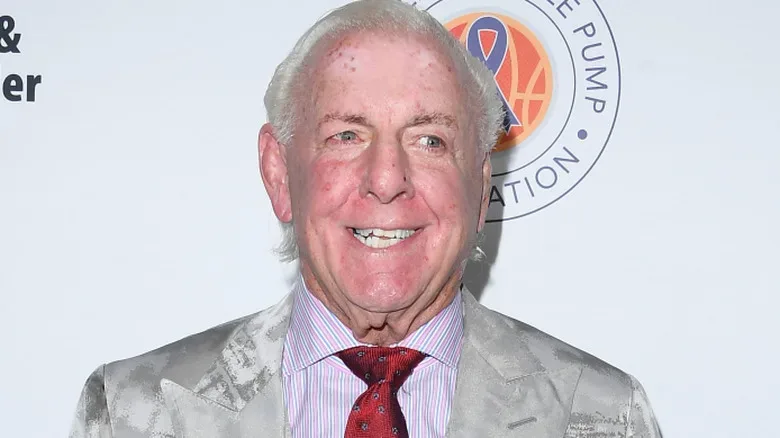
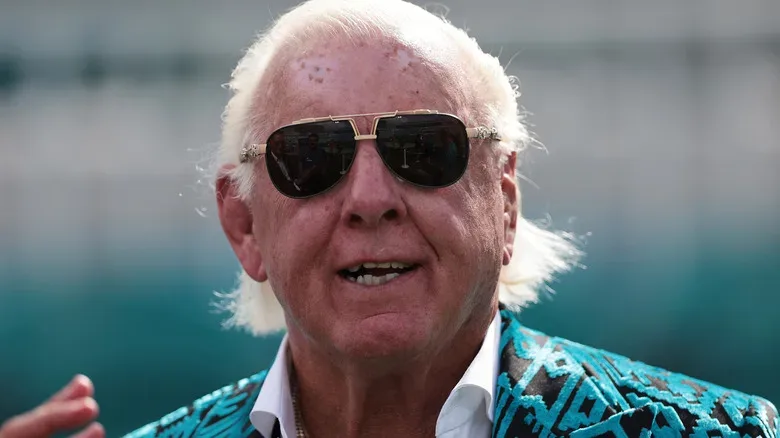
In pictures
Darryl Polo
Darryl Polo is a passionate wrestling fan covering WWE, AEW, TNA and beyond. He loves great rivalries, breakout stars and the moments that keep fans talking long after the bell. How we work.