
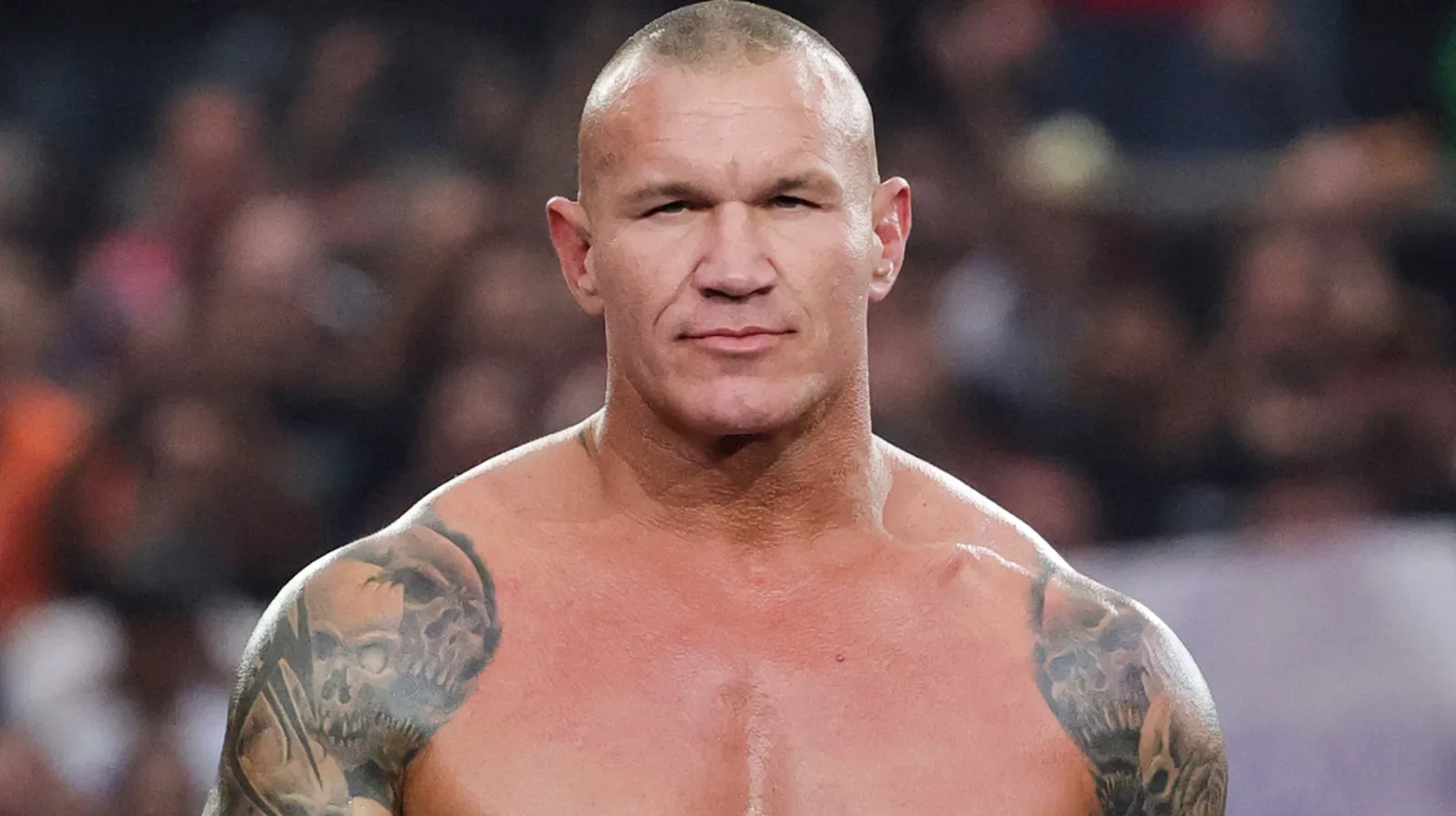
Myles Borne’s evolving WWE NXT character has earned positive feedback from one of WWE’s most established stars: Randy Orton.
Borne recently discussed the response he has received from Orton as his on-screen persona moves into a more ruthless and calculated phase. The NXT talent said Orton sent him encouraging words by text and has remained supportive of the different directions Borne has taken during his time on the brand.
For Borne, that support appears to carry particular value because of Orton’s reputation for directness. Borne described the 14-time world champion as someone who is candid with people rather than offering praise he does not mean. In Borne’s view, that makes Orton’s approval of the current character especially meaningful.
The timing is notable. Borne’s presentation has changed considerably following the fallout with his longtime friend Tavion Heights, and the comparisons to Orton have become more pronounced as Borne embraces a colder edge.
For more background on this topic, read Penta and Je’Von Evans Set for Opposite Sides in WWE Survivor Series Team Battle.
A Defining Turn at NXT Heatwave
Borne’s shift came to the forefront at NXT Heatwave, where he turned on Heights after losing the NXT North American Championship. The betrayal ended a long-running association between the two and established a far different side of Borne than audiences had previously seen.
Rather than allowing the issue to settle after the initial attack, Borne continued to manipulate the situation. He appeared to offer Heights an apology, creating the impression that there might be an opportunity to repair their relationship. That apparent reconciliation did not last. Borne used the moment to launch another physical attack, making it clear that the first turn had not been an impulsive lapse in judgment.
That sequence was important for the character because it added intention to Borne’s actions. A single betrayal can be driven by anger, frustration, or a momentary desire for change. The follow-up attack after an apparent apology presented Borne as somebody willing to use trust as a weapon. It is a more deliberate form of villainy, and it gave the program with Heights a sharper personal dimension.
The rivalry subsequently led to a Weapons Wild Match at NXT Halloween Havoc. The stipulation reflected how far the conflict had escalated from what began as a split between longtime allies. It also gave Borne another opportunity to reinforce that the character change was not simply cosmetic. His feud with Heights has been built around deception, resentment, and a willingness to push a former friend into increasingly hostile circumstances.
Why the Orton Comparisons Persist
Fans have drawn parallels between Borne and Orton for years, in part because of their similar physical attributes. Those comparisons have only grown louder as Borne adopts a more predatory, methodical attitude on NXT television.
Orton’s most memorable heel work as The Viper has often been defined by patience. He has not needed to be constantly frantic or outwardly emotional to appear dangerous. Instead, much of Orton’s effectiveness has come from the suggestion that he is always waiting for the right moment to strike. The abruptness of his attacks, particularly when they come after a period of apparent calm, has long been central to that identity.
Borne’s recent actions toward Heights naturally invite that comparison. The false apology and subsequent assault positioned him as a wrestler who can create a sense of security before taking it away. That does not mean Borne is attempting to replicate Orton’s career or character beat for beat. It does, however, explain why viewers see familiar traits in the way Borne’s new direction is being framed.
There is also a difference between being compared to an established WWE name and receiving encouragement from that same figure. Comparisons can create expectations, especially when they involve a performer as accomplished and recognizable as Orton. Borne’s comments indicate that Orton is not dismissive of the connection or the path Borne is pursuing. Instead, Borne says the veteran has been supportive throughout his NXT journey.
That kind of feedback can be valuable for an emerging performer who is trying to establish a distinct identity. Orton’s career has included extensive experience in high-profile singles programs, major character changes, championship reigns, and the difficult transition from being a heavily touted young wrestler to becoming a long-term main-event presence. Borne believes Orton understands the road he is currently navigating, and that shared perspective appears to have helped create an open line of communication.
Support Without Softening the Edge
Borne stressed that he appreciates Orton’s honesty as much as the approval itself. In WWE, performers regularly receive advice from coaches, producers, peers, and veterans. But Borne’s description of Orton suggests he values feedback that is clear rather than filtered.
That attitude fits the wider story Borne is telling on television. His character is no longer operating as a dependable friend alongside Heights. The new version is more guarded, strategic, and comfortable with exploiting emotional openings. The strongest characters often have a recognizable point of view, and Borne’s recent work has increasingly communicated one: he is willing to say or do what is necessary to gain the advantage.
At the same time, the Orton association gives viewers a useful reference point without defining the entire act. Borne’s challenge will be to retain the qualities that have led people to see shades of The Viper while continuing to develop motivations, rivalries, and mannerisms that belong specifically to him. The Heatwave betrayal and Halloween Havoc conflict with Heights have provided a foundation for that process.
Heights remains central to the story because he is the person who experienced Borne’s transformation firsthand. Their history means every escalation carries more emotional weight than a standard rivalry between two wrestlers with no previous connection. Borne did not merely target an opponent; he targeted someone who had been a long-time friend. The attempted apology made that betrayal even more personal.
What Comes Next for Borne
Borne’s comments about Orton arrive as he continues to reshape how he is viewed within NXT. Losing the NXT North American Championship was a crucial moment in the chain of events, but the aftermath has been more consequential than the loss itself. It became the trigger for a major break with Heights and a clear adjustment in Borne’s attitude.
The coming weeks will determine how deeply this new characterization takes hold. The most effective character changes require consistency: not only in confrontations and attacks, but in how a wrestler speaks, responds to setbacks, chooses opponents, and reacts when an unexpected opportunity appears. Borne has already shown that he can use misdirection to advance his objectives. The question now is what targets he chooses and how far he is willing to go to maintain the advantage.
Orton’s approval does not remove the pressure attached to that next step. If anything, it highlights the potential attached to Borne’s new direction. Being viewed through the lens of one of WWE’s most enduring and successful antagonists invites scrutiny, but it also signals that Borne’s work has been noticeable enough to earn the attention of a veteran who understands the role.
For now, Borne has positioned himself as a more dangerous and less predictable presence on NXT. His split from Tavion Heights has supplied the character with a defining act of betrayal, while the Weapons Wild Match at Halloween Havoc underscored the intensity of their dispute. With Orton offering support behind the scenes, Borne has another sign that the calculated turn in his presentation is moving in the right direction.
In pictures

Darryl Polo
Darryl Polo is a passionate wrestling fan covering WWE, AEW, TNA and beyond. He loves great rivalries, breakout stars and the moments that keep fans talking long after the bell. How we work.