
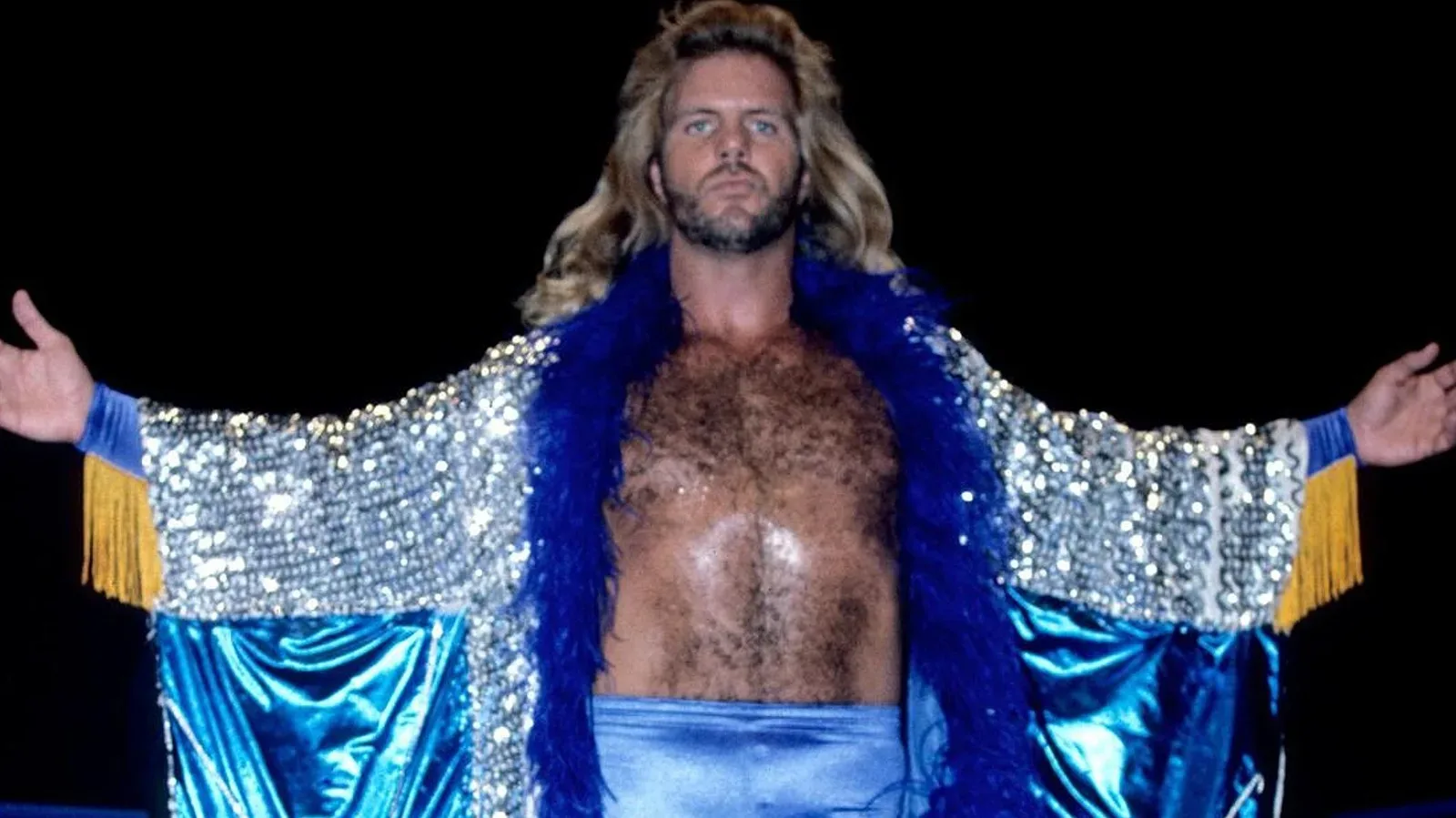
Michael P.S. Hayes has spoken candidly about his long battle with alcohol, revealing that he has now been sober from drinking for two years.
The WWE executive and Fabulous Freebirds legend discussed his life, his early relationship with alcohol, and the difficult process of getting help during an appearance on What’s Your Story? With Steph McMahon. Hayes did not minimize the severity or duration of the struggle. Instead, he described alcoholism as something that had been intertwined with his life from an extremely young age and continued through the height of his wrestling fame and well beyond it.
For Hayes, the story begins before he ever became one of pro wrestling’s most recognizable personalities. He said he likely started drinking when he was around 11 or 12 years old, with the habit becoming more consistent by the time he was 14 or 15. Recalling the era with his trademark humor, Hayes said that getting alcohol as a teenager was far easier in the 1970s than it should have been.
“When I was 14, I could go get beer. Nobody ever — it was the ’70s, nobody gave a crap about anything!” Hayes said on What’s Your Story? With Steph McMahon.
For more background on this topic, read Paul Heyman Says He Helped Bring The Undertaker From WCW To WWE.
The comment drew on the larger point Hayes was making about his desire to grow up quickly. That instinct, he explained, followed him into professional wrestling. Once he found himself in an industry built around larger-than-life personas, travel, nightlife, and a hard-partying image, he embraced the lifestyle that seemed to fit the character he was becoming.
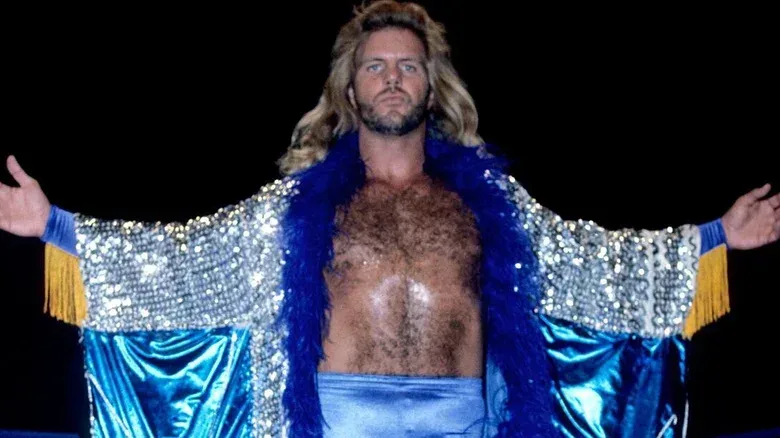
Hayes rose to prominence during the 1980s as part of the Fabulous Freebirds alongside Terry Gordy and Buddy Roberts. The Freebirds were among the era’s most influential acts, particularly in the way they brought a rock-and-roll sensibility into wrestling presentation. Their entrance music and swagger helped make them stand out, and the group’s attitude became inseparable from its identity.
Hayes said the appeal of that world was immediate. If being a successful wrestler meant being a “wild rock ’n’ roller,” he was eager to take part. The distinction between the wrestling persona and real life became increasingly thin, as he found himself living the very image that was helping make the Freebirds famous.
A Career That Continued Through Addiction
Hayes acknowledged that he was able to remain employed and keep moving forward professionally for years because he considered himself a “functionable drunk.” He said hangovers did not trouble him in the way that might have forced someone else to stop or reassess their behavior sooner.
That ability to function, however, did not mean the drinking was harmless. Hayes’ reflections underline one of the most deceptive aspects of addiction: a person can continue working, traveling, performing, and appearing outwardly capable while still dealing with a destructive problem. In an environment as demanding as professional wrestling, being able to show up can be mistaken for being well.
Hayes also made clear that drinking was generally not part of his pre-match routine. While he said there were occasions when wrestlers got messed up before matches, he stressed that it was not the usual pattern for him. The more typical behavior happened after the work was finished.
“We didn’t get messed up that much before the matches. We did sometimes. I have, but that wasn’t the norm. The norm was after,” Hayes said on What’s Your Story? With Steph McMahon.
That distinction is important in Hayes’ account because it speaks to the routine that can develop around a career. The performance ends, the travel continues, and the release after a show becomes part of the lifestyle. For someone who had begun drinking as a teenager and spent years identifying with a wild rock-and-roll persona, that cycle proved exceptionally difficult to break.
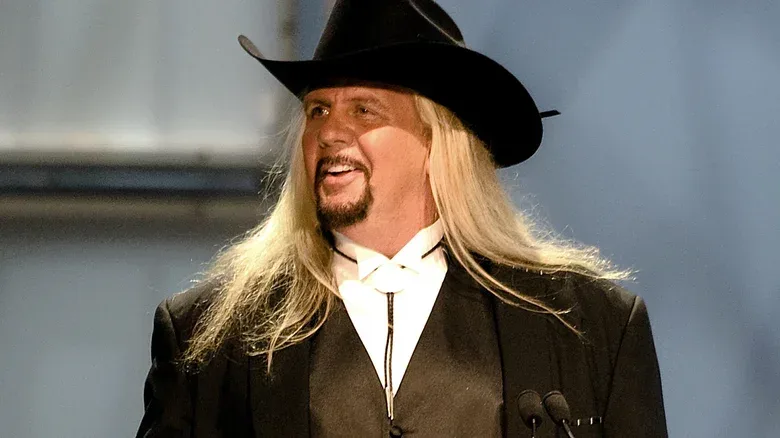
His comments also offer a more personal perspective on a figure fans have known in several different roles. Hayes is remembered by many for the Freebirds’ rebellious charisma and for the group’s place in wrestling history. In WWE, he has also served as a longtime executive. Behind those public chapters, Hayes said, was an ongoing fight to get sober.
Repeated Rehab Attempts and a Crucial Change in Perspective
Hayes credited Stephanie McMahon with repeatedly booking him into rehabilitation centers in efforts to help him confront his alcoholism. He was frank that those attempts did not immediately lead to lasting sobriety. The issue was not simply attending treatment, he explained, but whether he had genuinely decided that he wanted to change.
For a long time, Hayes said he entered rehab while still carrying thoughts about eventually drinking again. He recognized that he had been thinking about how and when he might resume drinking even as he was supposed to be receiving help. That mindset prevented the treatment from taking hold in the way it needed to.
“Any other time I went to rehab, I always had in the back of my mind how and when I was going to start drinking again,” Hayes said on What’s Your Story? With Steph McMahon.
Hayes said his faith and a personal willingness to try were the factors that ultimately carried him through the process. His central message was not that sobriety comes from a single program, a single conversation, or another person forcing the issue. Rather, he emphasized that lasting change begins with recognizing the need to change and is completed by truly wanting it.
That realization was hard-earned. Hayes did not portray rehabilitation as a clean or uncomplicated path. He recalled that there were even wild parties at rehab facilities during earlier stages of his journey, illustrating how entrenched the behavior and surrounding culture could be. The road to sobriety involved setbacks, resistance, and the difficult work of confronting his own intentions.
Eventually, Hayes found a treatment experience that made a major difference. He specifically pointed to Riverside as the final rehab center he attended, calling it “really, really cool” and saying it was very helpful to him.
Shannon Moore’s Support at Riverside
Hayes also singled out Shannon Moore, the former wrestler who worked for WWE, as someone who helped him immensely during that period. Moore was at Riverside as well, and Hayes said his support mattered greatly.
“Shannon Moore was there, who used to wrestle for us. He helped me out immensely. He’s really helped a lot of people, and he was in a really bad place,” Hayes said on What’s Your Story? With Steph McMahon.
The moment is a reminder that recovery can be shaped by people who understand the struggle from personal experience. Hayes did not present Moore’s role as a cure-all, but he made it clear that the support was meaningful at a point when he was working to approach sobriety differently.
Hayes’ two years without alcohol mark a significant personal milestone after decades of drinking. His remarks are notable not only because of the length of the battle he described, but because he was willing to discuss the gap between being sent for help and being ready to accept it.
He also clarified that he is “California sober,” making clear that he does not portray himself as having become a saint or as someone who has abandoned every vice. The clarification was delivered in Hayes’ familiar candid fashion, but it did not change the central point of his story: alcohol was the addiction he needed to confront, and he has remained sober from it for two years.
For fans who associate Hayes with the confidence, music, and outlaw energy of the Fabulous Freebirds, his account adds a sobering dimension to that history. The same larger-than-life culture that helped define an unforgettable wrestling act also became part of a personal struggle that lasted for much of his life.
Hayes’ message is ultimately rooted in accountability. Support from Stephanie McMahon, treatment facilities, faith, and people such as Shannon Moore all played important roles. But Hayes said the decisive shift came when he no longer viewed sobriety as a temporary interruption before the next drink. He had to want a different life, and he says that change of mindset has helped him reach two years of sobriety from alcohol.
In pictures

Darryl Polo
Darryl Polo is a passionate wrestling fan covering WWE, AEW, TNA and beyond. He loves great rivalries, breakout stars and the moments that keep fans talking long after the bell. How we work.