
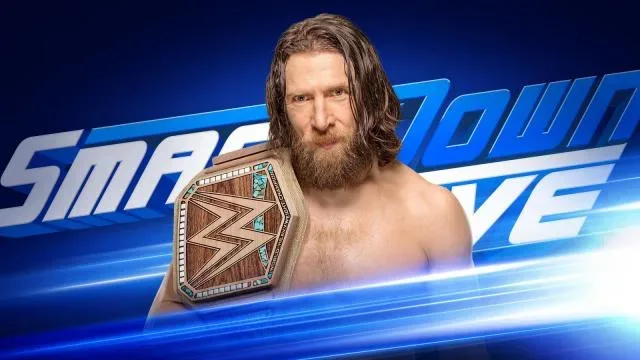
Kofi Kingston has looked back on one of the more unusual WWE Championship designs in recent memory and revealed that he would have been happy to keep it after defeating Daniel Bryan at WrestleMania 35.
Kingston won the WWE Championship from Bryan at WrestleMania 35, completing a major career-defining moment after a lengthy road to the match. But Bryan’s run with the title had also been defined by a striking visual change: he replaced the familiar WWE Championship belt with a wooden version that fit his environmental message and was presented as the sustainable WWE Championship.
Following Kingston’s victory, the established WWE Championship design returned. Looking back at that transition, Kingston said the custom belt was distinctive enough that he would have enjoyed retaining it during his own reign.
“Yeah, that was the sustainable championship. It was really, really cool. It was a really cool looking one with the wooden belt. Oh man, that was the one thing I wish maybe we could have kept because it was so unique.”
For more background on this topic, read Roman Reigns Explains Why WWE House Shows No Longer Fit His Schedule.
A Championship That Matched Daniel Bryan’s Character
The wooden title was closely connected to Bryan’s presentation at the time. Rather than treating a championship belt as only a prize to be defended in the ring, Bryan used the altered design as part of the identity he brought to the WWE Championship. The belt was a visual extension of a character built around environmental themes, giving his title reign an immediately recognizable image.
That distinction is part of why Kingston’s reaction is notable. WWE title belts are typically designed to be instantly identifiable across different champions and eras. A custom version can make a particular reign stand apart, but it can also become so strongly attached to one performer that it is difficult to picture another wrestler carrying it.
Kingston clearly saw value in the belt beyond its association with Bryan. His remarks emphasized the design itself, calling it “really, really cool” and highlighting the fact that it was unlike the standard championship presentation. For Kingston, the sustainable title was not simply an accessory from the previous champion’s run; it was a unique piece of WWE Championship history that could have remained part of the title picture after WrestleMania 35.
There is an understandable contrast in that idea. Bryan’s wooden championship was created around his own perspective and character work, while Kingston’s WrestleMania victory represented a very different kind of WWE moment. Bryan had held the title as a central figure in the championship scene, while Kingston arrived at WrestleMania 35 after building overwhelming support from fans who wanted to see him receive an opportunity at the top prize.
WrestleMania 35 Changed the WWE Championship Picture
At WrestleMania 35, Kingston defeated Bryan to become WWE Champion. The match brought an end to Bryan’s championship reign and delivered Kingston the defining singles championship victory of his WWE career.
The result also restored the WWE Championship’s more familiar appearance after the sustainable version had been featured during Bryan’s time as champion. In practical terms, the title change represented both a changing of champions and a changing of imagery. Kingston’s victory was followed by the return of the standard design that audiences had become accustomed to seeing attached to the WWE Championship.
Kingston’s latest comments add an interesting personal wrinkle to that visual transition. Although the more traditional championship belt fit the presentation of a new WWE Champion, he now says he would have welcomed the chance to continue with the wooden version. His view is not framed as criticism of the standard belt. Instead, it is appreciation for a design that gave the championship a rare sense of individuality.
Custom championship belts often invite debate because they can represent two competing ideas at once. On one hand, a title belt is meant to be bigger than any individual champion. On the other, the most memorable title reigns are often those in which the champion leaves a clear stamp on the championship. Bryan’s sustainable WWE Championship was an especially literal example of that second idea.
Kingston’s comments show that the belt’s impact extended beyond the champion who introduced it. Even after he defeated Bryan, Kingston saw an appeal in preserving a design that had already become a conversation piece. A continuation of the wooden championship into Kingston’s reign would have created an unusual visual link between two dramatically different WrestleMania 35 stories.
Why the Sustainable Design Stood Out
WWE championships tend to acquire significance through repeated exposure. Fans connect particular designs with major champions, landmark matches, and specific stretches of company history. The sustainable WWE Championship stood apart because it did not rely on longevity to create an impression. Its materials and appearance made it unmistakably different from the standard version.
That immediate recognizability is what Kingston appeared to appreciate when he described the title as “so unique.” The wooden construction gave it an identity separate from the usual polished metal-and-leather presentation associated with world championships. It looked intentionally different, which was precisely the point during Bryan’s title run.
For Kingston, keeping that title could have added another layer to the aftermath of WrestleMania 35. The same physical championship design would have remained in view, but its meaning would have changed entirely. Under Bryan, the sustainable belt represented his chosen message. Under Kingston, it could have become tied to the culmination of his journey to the WWE Championship.
Instead, the familiar WWE Championship design returned after Kingston’s win. That decision made sense as a visual reset following Bryan’s custom version, particularly because Kingston’s victory marked such a significant shift in the championship landscape. Yet Kingston’s retrospective suggests that there was an alternate possibility he finds appealing: allowing the unusual belt to live on for at least a little longer.
Kingston Also Discusses the Road to WrestleMania
Elsewhere in the same conversation, Kingston addressed the circumstances surrounding his path to WrestleMania 35 and said he was not sure whether he would have ultimately won the WWE Championship without Mustafa Ali suffering an injury in the lead-up to the event.
That uncertainty remains an important part of the wider story around Kingston’s championship victory. His WrestleMania opportunity became one of WWE’s most celebrated stories of that period, but Kingston has acknowledged that the route to the match was shaped by changing circumstances. Rather than presenting his title win as something that was guaranteed from the beginning, he has recognized that the path developed as events unfolded.
That perspective makes the WrestleMania 35 result all the more compelling. Kingston did not merely leave the event with the WWE Championship; he defeated Bryan at a moment when the title itself was carrying a very specific visual identity. The return of the standard title belt helped establish a new chapter, while Bryan’s wooden championship remained a memorable artifact of the reign that preceded it.
Years later, Kingston still has fond memories of the sustainable design. His comments do not change the history of WrestleMania 35, where the standard WWE Championship look returned alongside a new champion. They do, however, underline how much the wooden title succeeded at its purpose. It was different, it was memorable, and even the man who ended Bryan’s reign believes it might have been worth keeping.
For a WWE Championship that was designed to be unconventional, that is a notable legacy. The sustainable belt existed for a particular character and a particular moment, but its uniqueness has clearly endured in Kingston’s mind. WrestleMania 35 will always be remembered for Kingston’s victory over Bryan, and the wooden championship remains one of the distinctive visual details tied to the match that changed both men’s WWE Championship stories.

Darryl Polo
Darryl Polo is a passionate wrestling fan covering WWE, AEW, TNA and beyond. He loves great rivalries, breakout stars and the moments that keep fans talking long after the bell. How we work.