
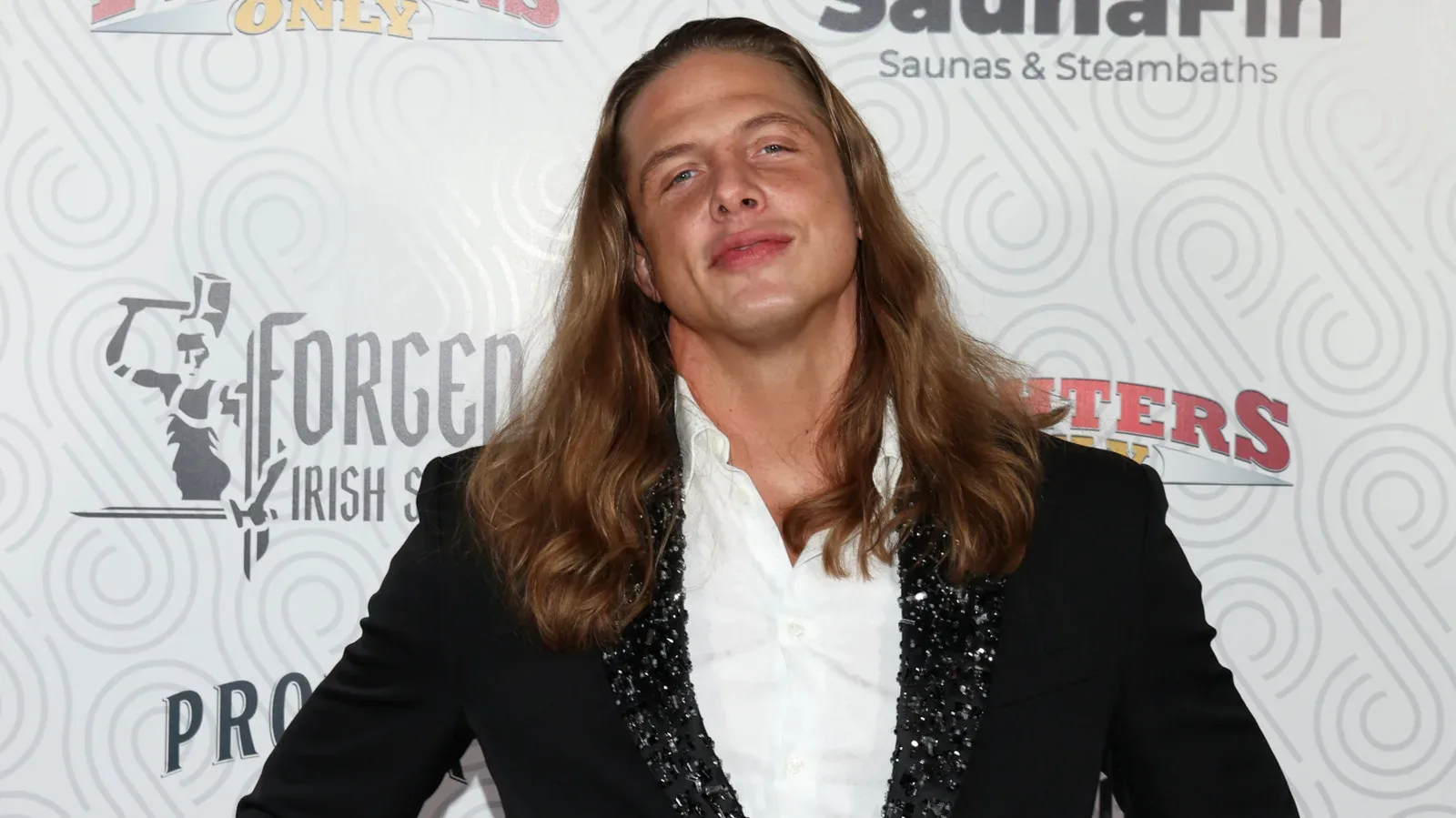
The origins of Bloodsport have become the subject of a public dispute involving Josh Barnett, Matt Riddle, and wrestler-promoter Danny Demanto.
Bloodsport began in 2018 as a GCW-promoted event and has developed a distinct identity around a combat-sports presentation. The brand first appeared under Riddle’s name before a lengthy run under Barnett’s banner. Barnett hosted 17 editions of Josh Barnett’s: Bloodsport across seven years, with the final show of that run taking place earlier in 2026.
Questions around the event’s future resurfaced after GCW indicated it would continue the concept, potentially under a different name, following Barnett’s announcement that this year’s installment would be the last Bloodsport event under his name. That development led to competing public accounts about who created the original show, who shaped its format, and what connection exists between Riddle’s initial event and the later Barnett-led series.
View the referenced post on X
View the referenced post on X
View the referenced post on X
Barnett Draws a Line Between His Series and Riddle’s Event
Barnett addressed the debate in a post on X, pushing back on the idea that his Bloodsport series and Riddle’s original Bloodsport should be treated as the same production. His position is that Riddle’s show was a separate event, with only a limited connection to the extensive run presented under Barnett’s name.
For more background on this topic, read Will Friedle Jokes About Going Unrecognized at WWE Raw’s Netflix Premiere.
“And as I have said many times before, over and over again – Matt Riddle’s: Bloodsport is a singular, separate event and tangentially related at best,” Barnett wrote. “If I made a box set, I would not include it, especially because: Josh Barnett’s: Bloodsport is a 17 event show, over 7 years.”
Barnett’s comments focused on the scope and creative identity of the series that followed. In his view, the version associated with his name was not simply a continuation of the first Riddle-branded event. Rather, he characterized it as a distinct show developed and overseen through his own direction.
He also explained that he agreed to work with the promotion on the condition that he would retain control over the show’s presentation and production decisions.
“Then when approached, I agreed to work together but only if I called the shots, and produced/booked/agented/whatever needed the show as it does have my name above title, and it was going to represent my vision,” Barnett said.
That description places Barnett’s claim primarily on the version of Bloodsport that carried his name for 17 events. He did not frame Riddle’s edition as part of that series, instead calling it separate and only tangentially related. The distinction is significant as discussion continues regarding what GCW may do with the concept after the conclusion of Barnett’s tenure.
Riddle Says He Created the Original Concept
Riddle responded with a very different account. The former WWE star disputed Barnett’s assertion of control over the property’s beginnings and stated that Barnett did not create the original Bloodsport event or assist in putting it together.
Riddle claimed that he originated both the name and the rules of the event. His version of the story is that Barnett became involved after the original Bloodsport had already been created, then attempted to claim greater ownership over the concept than Riddle believes was warranted.
“One thing I can say with 100% certainty is Josh Barnett did not create or even help with the original bloodsport and then tried to take it for himself,” Riddle wrote.
Riddle also referenced an encounter with Barnett at WrestleMania earlier this year. He said Barnett told him there would not be any more Bloodsport events, prompting Riddle to reply that such a decision was not Barnett’s to make because Barnett did not own Bloodsport.
Despite his criticism of Barnett’s account, Riddle did not oppose the prospect of GCW carrying the style or event forward. He gave his blessing to the new version being planned, even as the precise branding remains uncertain. That stance separates Riddle’s apparent support for the concept continuing from his disagreement over how its history has been described.
Danny Demanto Challenges Both Narratives
The disagreement did not end with the contrasting statements from Barnett and Riddle. Demanto, who played a key role in the creation of Bloodsport, entered the conversation and rejected the central claims being made by both men.
Demanto said neither Barnett nor Riddle was correct in their respective descriptions of the creative process. His comments are particularly notable because they challenge the shared premise behind the public exchange: that either Barnett or Riddle alone can accurately claim authorship of the event’s original creative direction.
While the available statements establish that Demanto was closely involved in creating Bloodsport, they do not settle every point raised in the dispute. The public conversation has instead revealed multiple, conflicting recollections about the development of the first show and the relationship between that 2018 event and the 17-event Barnett series that followed.
As matters stand, Barnett maintains that his Bloodsport run was a distinct, separately produced body of work that reflected his vision and operated under his control. Riddle maintains that he came up with the original event’s title and rules, and that Barnett had no role in making the first Bloodsport. Demanto has said both versions fail to accurately represent the original creative process.
Why the Debate Matters Now
The timing of the dispute is tied directly to Bloodsport’s next chapter. Barnett had already announced that the most recent edition would be the final event under his stewardship. GCW’s intention to continue with a related event, possibly using a new name, has brought renewed attention to the concept’s history and to the question of how the promotion will present its legacy going forward.
For Barnett, the name over the title appears central to his position. He emphasized that the 17 events promoted as Josh Barnett’s: Bloodsport were shaped by his decisions in booking, producing, and agenting the show. From that perspective, the conclusion of his series marks the end of a specific creative project rather than the end of every event that might draw from the same general premise.
For Riddle, the important issue is the original event. His comments focus on the foundation of the name and rules, and on his belief that the initial Bloodsport should not be credited to Barnett. His willingness to bless a new version suggests he does not view Barnett’s departure as preventing the concept from continuing.
Demanto’s intervention adds another layer. By stating that neither man was right about the event’s creative origins, he has made clear that the story cannot be reduced to a simple choice between Barnett’s and Riddle’s accounts. The founding of an independent wrestling concept can involve several contributors, and public disputes over credit can become more complicated when a brand evolves through different eras, presenters, and creative leaders.
An Unresolved History as a New Era Approaches
No unified account has emerged from the exchange. Barnett has drawn a firm boundary between Riddle’s one-off Bloodsport and the seven-year, 17-event series associated with his own name. Riddle has asserted that the original name and format were his creations and that Barnett was not involved with the first show. Demanto, who was involved in creating Bloodsport, has disputed both accounts.
What is clear is that the original 2018 event, the Barnett-led series that followed, and GCW’s potential next iteration are now being discussed as connected but contested parts of Bloodsport’s history. The eventual name, presentation, and format of GCW’s next combat-sports-style event will determine the practical direction of the concept. The argument over who deserves credit for the beginning, however, remains unresolved.
For now, the public record contains three incompatible perspectives from figures directly tied to Bloodsport’s past. As GCW moves beyond the final edition of Josh Barnett’s: Bloodsport, the brand’s future may be taking shape—but its origins are still very much under debate.
In pictures

Darryl Polo
Darryl Polo is a passionate wrestling fan covering WWE, AEW, TNA and beyond. He loves great rivalries, breakout stars and the moments that keep fans talking long after the bell. How we work.