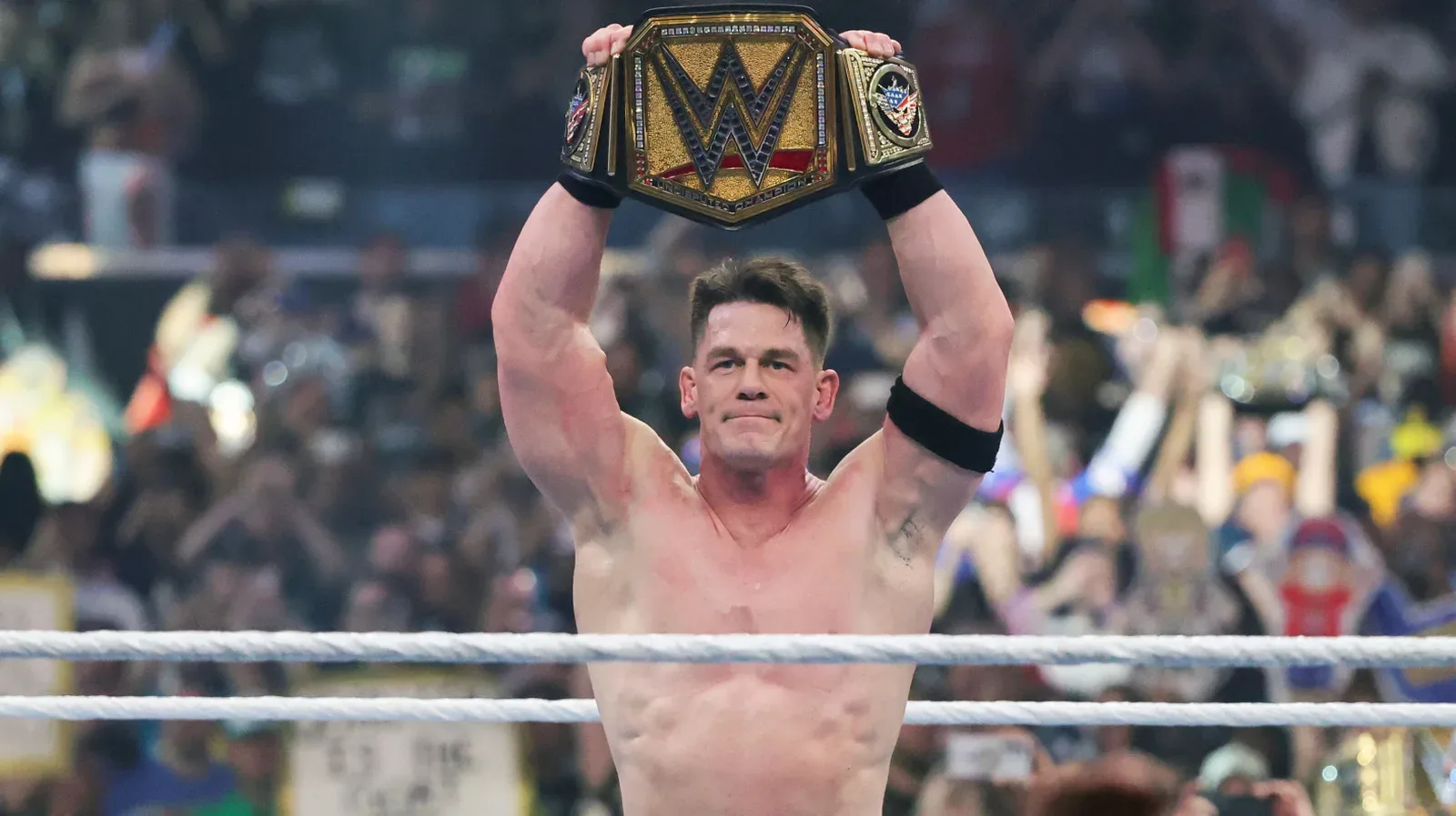
John Cena has offered one of his most candid reflections yet on the WWE heel run that reshaped the final stretch of his in-ring career.
For years, the possibility of Cena becoming a villain felt almost impossible. He had been WWE’s defining heroic figure for an entire generation, a performer whose public identity was built around persistence, positivity and an unwavering commitment to standing up to the company’s most despised names. That long-established role made his turn at Elimination Chamber all the more striking. WWE ultimately positioned Cena as its top antagonist during the final year of his career, a creative swing that immediately became one of the most heavily debated decisions surrounding his farewell run.
Cena has now confirmed that the decision was not his own proposal. Instead, he said WWE Chief Content Officer Paul “Triple H” Levesque presented the idea, and Cena did not need much time to consider it.
“I’m glad to have done it. I never asked for it, so it wasn’t my idea. Like it was Paul’s idea. And he even says himself, like he asked me and in two seconds it was a yes. Just like facing Brock [Lesnar] or tapping out to GUNTHER, yes. That’s how I do business.”
For more background on this topic, read Baron Corbin Explains Why He Never Asked WWE for a Return.
The comments underline the philosophy that has defined much of Cena’s WWE career. Whether he is being asked to confront an established attraction such as Brock Lesnar, lose in a defining manner to a rising or dominant opponent such as GUNTHER, or abandon the heroic role associated with his name, Cena’s approach has been to embrace the assignment rather than protect a particular image.
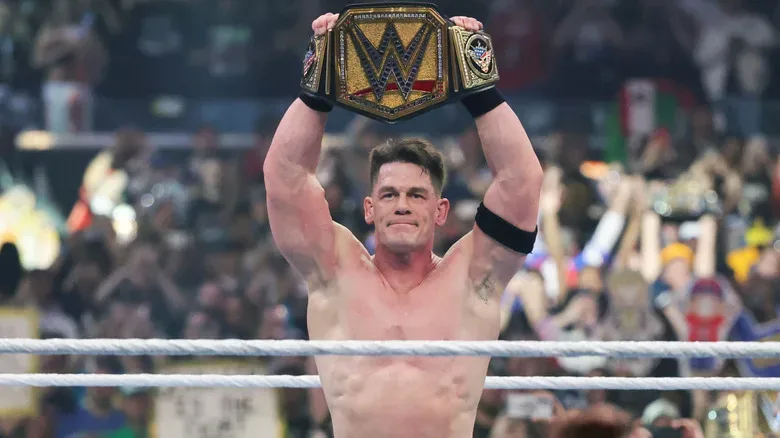
That does not mean he views every element of the heel experiment as beyond criticism. Cena acknowledged that the run could have been stronger and recognized the negative reaction from fans who believed WWE did not fully capitalize on a rare opportunity. The criticism intensified after Cena defeated Cody Rhodes at WrestleMania 41 to claim his seventeenth world championship. While the title victory was historic, the match itself received a poor response from many viewers, and Cena was back in a babyface role only five months later.
Still, Cena does not regret agreeing to the turn or placing himself in a position where the audience could judge the work harshly. In his view, accepting the possibility of failure is part of the responsibility that comes with being a veteran performer and someone younger wrestlers may look to for guidance.
“If we never did it, I would have been fine ... in reflecting, I wouldn’t change a thing. I’m glad we got to do it because it helps me now when I speak to younger talent and say like, yo, be bold, take chances, don’t worry about failing or you got to fail. I come from a place of activity, not a place of privilege where I’m in some sort of protected bubble. A lot of folks will say the heel turn failed. Okay, I accept that as a failure, but I swung boldly.”
There is an important distinction in Cena’s assessment. He is not arguing that every fan had to enjoy the creative direction, nor is he dismissing the view that the run did not fulfill its enormous potential. Rather, he is placing value on the willingness to attempt something genuinely risky. For a performer as synonymous with one identity as Cena had been with WWE’s babyface presentation, a heel turn was always going to invite intense scrutiny. It was not simply a character adjustment; it challenged the audience’s understanding of Cena’s place in the company.
That made the turn an unusual final-act experiment. A standard retirement run often centers on celebration, nostalgia and a procession of familiar crowd-pleasing moments. Cena’s turn instead asked viewers to respond to a version of him designed to frustrate and antagonize them. It also created a scenario in which a performer who had spent years being treated as a uniquely reliable WWE ambassador was openly inviting the audience to reject him.
From a business perspective, Cena believes the decision worked. He pointed to packed buildings and strong viewership as evidence that people were paying attention. That commercial success, however, exists alongside the creative concerns voiced by fans. Cena compared that divide to the gap that can exist between the success of a major blockbuster and the critical response it receives. A project can draw significant interest while still leaving part of its audience dissatisfied with what it delivered.
“From a business side, we didn’t have a seat left and people watched in numbers ... then there’s the creative standpoint there. Sometimes blockbuster movies are poorly reviewed by critics. So I understand where critically people are like, man, that’s just not what I wanted to see.”
Cena’s explanation also revealed how far he was willing to take the villainous premise in theory. His initial instinct was not merely to act more arrogant or hostile. He wanted to pursue the idea of “ruin wrestling” in a way that would make fans desperate to see him gone. That ambition, as Cena described it, would have involved wrestling so poorly that audiences would reject the experience itself.
“Intrinsically, I would have loved to have a chance to literally ruin wrestling, to wrestle so poorly that people just wanted to see me go ... that would have made people stop coming to the shows and that would have made the numbers go down.”
The comment illustrates the central challenge of a heel run at Cena’s level. Great villains are expected to generate animosity, but WWE is still trying to sell tickets, draw viewers and maintain interest in its stories. Cena’s most extreme interpretation of being hated would have deliberately undermined those goals. In practical terms, the heel act had to exist within a larger business environment that depends on fans continuing to care enough to watch, attend and react.
That tension may help explain why the run has produced such divided opinions. Fans who hoped for an all-out, uncompromising reinvention could see the eventual return to babyface status as an abrupt end to a major creative opportunity. Others may view the heel stretch as a worthwhile change of pace precisely because it gave Cena a chance to do something he had never done at this scale. Cena himself appears comfortable holding both perspectives at once: the execution can be challenged, but the choice to try it remains worthwhile.
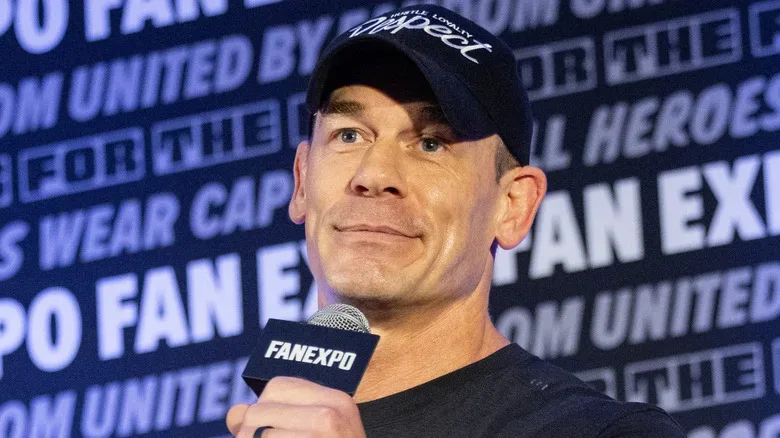
The experience is also informing how he approaches the next project to carry his name. This December, WWE will stage The John Cena Classic, a one-night tournament built around WWE NXT talent competing against members of the main roster. The concept presents an opportunity for developing wrestlers to share the spotlight with more established names, while giving the event a structure distinct from a standard episode or conventional premium live event match card.
Cena views putting his name on that tournament as another meaningful risk. The format has not been done before, and there is no guarantee that every new idea will land exactly as intended. But that uncertainty is part of the point. Just as he accepted the prospect of criticism by turning heel, Cena wants emerging talent to understand that ambition requires a willingness to take chances in public and learn from outcomes that do not go perfectly.
His heel run therefore remains more than a short chapter in a farewell tour. It has become an example Cena intends to use when discussing creative courage with younger WWE performers. The lesson is not that every gamble will succeed, or that criticism should be ignored. It is that protecting oneself from every possible failure can prevent a performer from attempting the kind of bold decision that may lead to growth, new opportunities or a memorable moment.
For Cena, the final verdict on the heel turn is not solely tied to whether it met every creative expectation. He knows many viewers will continue to call it a missed opportunity, particularly given the historic WrestleMania 41 title change and the relatively quick return to his familiar heroic role. Yet he remains clear that he would make the choice again. Triple H offered him a chance to do something unexpected, Cena said yes immediately, and he is prepared to own both the benefits and the shortcomings of the result.
In pictures
Darryl Polo
Darryl Polo is a passionate wrestling fan covering WWE, AEW, TNA and beyond. He loves great rivalries, breakout stars and the moments that keep fans talking long after the bell. How we work.