
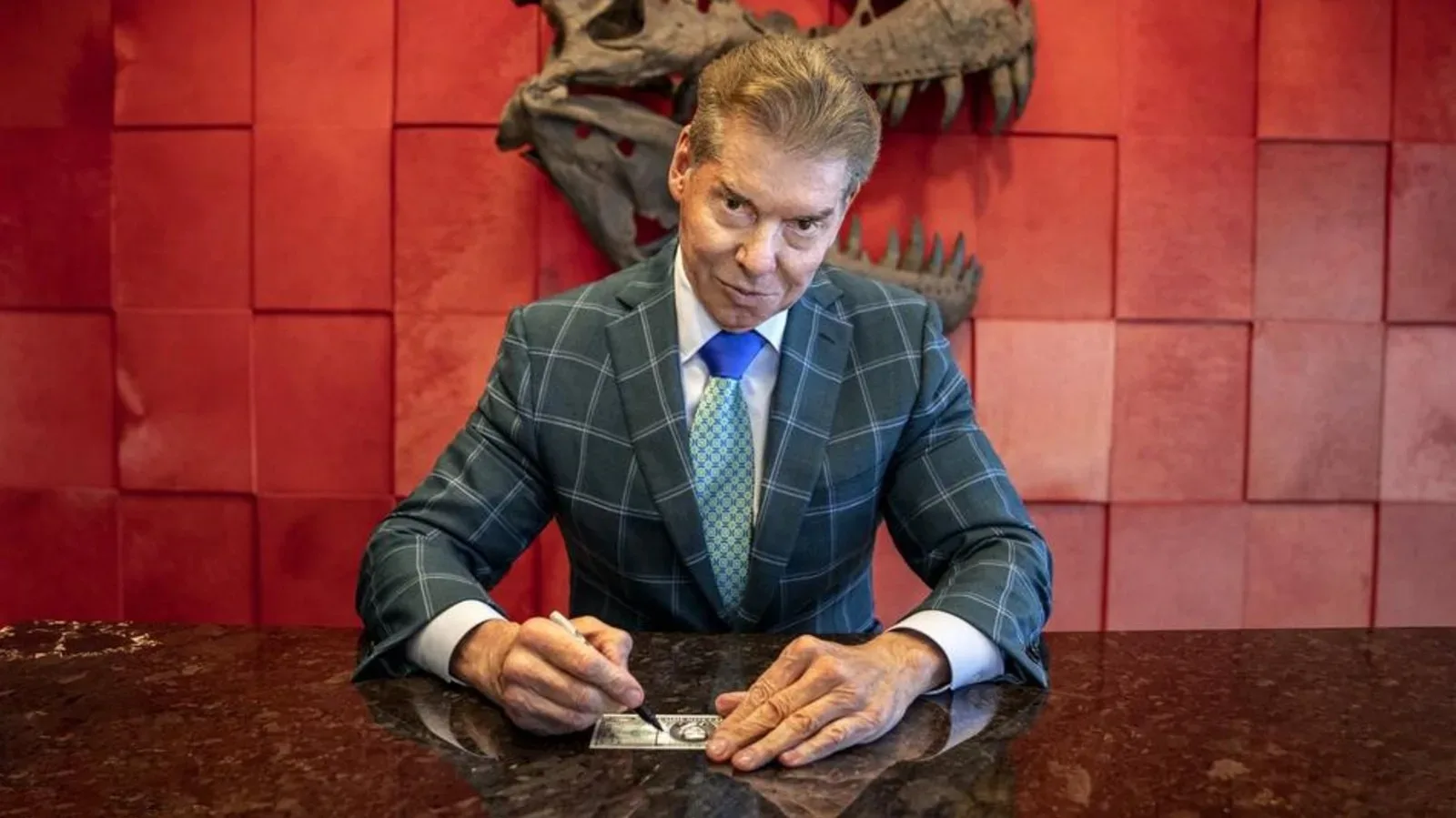
JBL has forcefully pushed back on the suggestion that Vince McMahon would have refused to send WWE talent to Saudi Arabia for Crown Jewel 2026 because of regional security concerns.
The discussion has followed criticism directed at WWE and parent company TKO over the decision to proceed with the Saudi Arabian event amid an ongoing conflict in the region. Some fans questioned whether performers and staff should have been asked to make the trip at all, while others argued that WWE leadership under McMahon would have taken a more protective approach.
JBL, who worked extensively under McMahon as both an in-ring talent and a commentator, did not agree with that reading of WWE history. Speaking on Something to Wrestle, the Hall of Famer said the notion that McMahon would never have sent talent into a potentially dangerous area ignores the company’s past overseas military tours.
“I saw a tweet the other day about somebody saying, ‘Oh, how dare they send the guys into a war zone? Vince would never do that.’ He sent us into actual war zones. I mean, actual legit, legit war zones.”
For more background on this topic, read WWE Reportedly Planning Major Raw Presentation for January 4, 2027 in San Antonio.
JBL’s point was rooted in WWE’s longtime relationship with the United States military and the company’s visits to Iraq and Afghanistan during the wars in those countries in the 2000s. WWE performers traveled as part of troop-support initiatives during that era, with those appearances becoming a notable element of the company’s public outreach and its annual military-focused programming.
That history does not eliminate the concerns voiced around Crown Jewel, nor does it settle the question of what precautions should be expected for a modern international event. It does, however, challenge the idea that McMahon’s WWE had an absolute policy against putting its roster in locations connected to active military conflict. JBL’s response was specifically aimed at the comparison between the current leadership structure and the previous McMahon-led regime.
Crown Jewel Went Ahead After Venue Change
The conflict affecting Saudi Arabia led to Crown Jewel being moved to a different venue. Despite the disruption and the unease surrounding the travel, the event was held successfully, and WWE talent and employees returned safely afterward.
WWE’s ability to complete the show without a reported incident is central to the company’s side of the situation. Still, the fact that the event went forward safely has not stopped debate over whether the trip should have been requested while the security environment was under scrutiny. For performers, a major international premium live event involves far more than the time spent in the ring. It requires flights, ground transportation, hotel stays, rehearsals, production setup, security coordination, and the movement of a large number of wrestlers, crew members, and executives.
Those practical realities made the decision especially visible. Crown Jewel is one of WWE’s biggest recurring international events, and a venue adjustment does not remove the broader questions that came with staging the show in Saudi Arabia at that moment. Fans critical of the trip have focused on the potential risk to people working the event, while JBL has emphasized that risk is not something unique to the current management group or to WWE’s Saudi Arabian partnership.
The two positions are not necessarily identical. WWE’s military visits to Iraq and Afghanistan were connected to appearances for troops in war zones, while Crown Jewel is a major commercial wrestling event held as part of the company’s agreement in Saudi Arabia. But JBL’s larger argument is that portraying McMahon as someone who would categorically reject travel into dangerous circumstances is inconsistent with WWE’s own record.
GUNTHER Was Reportedly Reluctant To Travel
Not every WWE performer was reportedly comfortable with traveling to Saudi Arabia for Crown Jewel. GUNTHER, a former WWE World Heavyweight Champion, was among the names said to have requested not to be placed on the card.
A match between GUNTHER and Finn Bálor had reportedly been planned for the event before it was delayed. There has been no indication in the available details that the match was scrapped permanently; the important point is that the scheduling change was connected to GUNTHER’s reported reluctance to make the trip.
The situation illustrates why broad statements about “WWE talent” can miss the individual nature of the decision. Wrestlers have different comfort levels, family circumstances, travel histories, and perceptions of risk. A company may determine that an event can proceed, but that does not mean every person asked to participate will view the situation in the same way.
It also places focus on how WWE handles performer concerns when international events encounter unusual circumstances. There is a substantial difference between a talent being told an appearance is mandatory and a talent being permitted to decline or have a match postponed. The reported GUNTHER situation has become part of the larger conversation precisely because it suggests at least one high-profile performer did not want to travel under the circumstances.
WWE has regularly presented Saudi Arabia as a major market in its global business strategy. The company’s events there have featured championship matches, celebrity involvement, major returns, and cards treated as significant dates on the annual calendar. Crown Jewel is therefore not a routine house show that can be easily removed from the schedule without wider implications for creative plans, production, business commitments, and the audience expecting the event.
The Saudi Arabia Partnership Remains Under Debate
The criticism surrounding Crown Jewel has also renewed internal and external scrutiny of WWE’s business relationship with Saudi Arabia. The partnership has drawn debate for years, and the current security concerns have given that debate a more immediate dimension.
There are reportedly people within TKO who are unhappy with aspects of the relationship. Some have characterized the arrangement as being driven by financial priorities and have raised concerns about whether they are being treated fairly. Those views coexist with WWE’s continued commitment to staging major events in the country, a commitment that appears unlikely to end in the near future.
That tension is worth separating from JBL’s comments. His remarks were not a broad defense of every decision connected to the Saudi arrangement. Instead, he addressed a specific claim: that McMahon would not have sent WWE personnel into a situation that critics describe as a war zone. JBL’s answer was that McMahon had, in fact, sent WWE talent into actual war zones during the company’s prior military tours.
For many observers, the more relevant issue is not whether McMahon would have made the same call, but what standards WWE and TKO should apply when weighing an event’s commercial value against the welfare and preferences of those required to travel. The safe conclusion of Crown Jewel will be cited by those who believe the company managed the situation properly. The concerns raised before the event, including the reported hesitation from GUNTHER, will remain part of the conversation for those who feel the risks should have led to a different decision.
WWE Is Set To Return For WrestleMania 43
WWE’s Saudi Arabia schedule is set to continue. The company is expected to return to the country for WrestleMania 43 in April 2027, a clear sign that the relationship remains a major part of WWE’s future plans.
Bringing WrestleMania to Saudi Arabia would represent an even larger undertaking than Crown Jewel. WrestleMania is WWE’s flagship brand event, carrying heightened expectations around talent availability, media attention, sponsorship, fan travel, and the scale of the live presentation. Any questions around security, working conditions, and wrestler willingness to travel will consequently receive even greater attention as that date approaches.
JBL’s comments add a historical counterpoint to the current backlash, particularly for fans who have framed the issue as a contrast between TKO-era decision-making and McMahon’s leadership. His message was blunt: WWE has operated in difficult environments before, and McMahon’s history includes sending talent to Iraq and Afghanistan during active wars.
That will not end the argument over Crown Jewel 2026. It does ensure that the discussion cannot be reduced to a simple claim that WWE’s former chairman would never have allowed such travel. With WrestleMania 43 on the horizon, the company’s Saudi Arabian relationship—and the responsibilities that come with it—will remain under an intense spotlight.
In pictures

Darryl Polo
Darryl Polo is a passionate wrestling fan covering WWE, AEW, TNA and beyond. He loves great rivalries, breakout stars and the moments that keep fans talking long after the bell. How we work.