
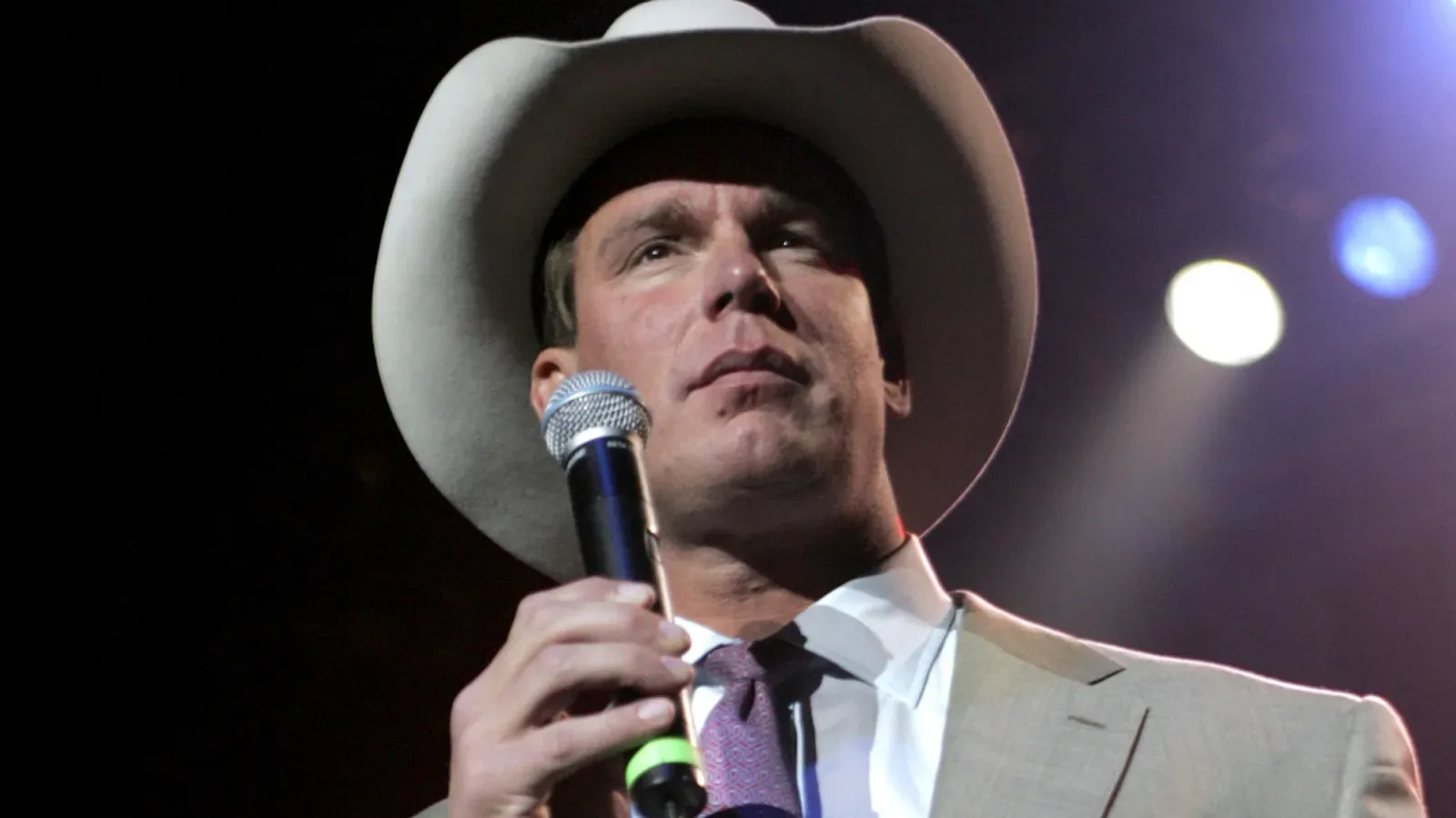
John “Bradshaw” Layfield believes WWE has finally found the right formula for bringing another wrestling promotion into its wider business without stripping away the elements that made that company distinct in the first place.
During an appearance on Something To Wrestle, the WWE Hall of Famer discussed WWE’s relationship with Lucha Libre AAA Worldwide and placed it in the context of the company’s long history of expansion, competition, and acquisitions. Layfield argued that WWE’s integration of AAA stands apart from the company’s previous efforts involving other wrestling brands.
“WWE never did an integration very well,” Layfield said on Something To Wrestle. “The first integration that they have done well, by the way, is AAA.”
It is a significant assessment considering the history behind WWE’s growth. WWE rose from being a regional territory into the industry’s dominant global force during the Vince McMahon and Hulk Hogan era. That expansion changed the business permanently, but it also created a corporate mentality that, in Layfield’s view, made it difficult for WWE to embrace outside wrestling identities once they were brought under its umbrella.
For more background on this topic, read Drew McIntyre Teases WWE Alliance With Russell Crowe Ahead Of Potential Return.
WWE later acquired major former rivals WCW and ECW, two promotions with fiercely loyal fan bases, recognizable styles, and their own internal histories. Their arrival gave WWE access to an enormous number of performers, concepts, video libraries, and brands. However, fans have long debated whether either company was ever effectively incorporated into WWE programming in a way that honored what had made it successful before the acquisitions.
Layfield’s comments suggest the AAA situation is different because it has not been treated as a simple exercise in absorbing a competitor and remaking it in WWE’s image. Instead, he sees a relationship in which AAA has maintained its core character while also appearing alongside WWE programming when opportunities arise.
A Different Approach To AAA
WWE announced the acquisition of the Mexican-based lucha libre promotion last year. The news naturally invited comparisons to the company’s history with WCW and ECW, along with questions about how much of AAA’s presentation, roster, and cultural identity would remain intact under WWE ownership.
Those concerns are understandable. AAA is rooted in the traditions and visual language of lucha libre, a style with its own audience expectations, wrestling conventions, generational stars, masks, rivalries, and presentation. Simply placing AAA under a larger WWE corporate umbrella did not guarantee that the promotion’s identity would survive unchanged.
Layfield believes the early evidence has been encouraging. His point was not merely that WWE and AAA have operated alongside one another, but that they have been able to overlap without AAA ceasing to feel like AAA. That distinction is central to his praise.
For WWE, there is obvious value in having a stronger connection to a prominent Mexican wrestling brand. For AAA, access to WWE’s global platform can increase exposure for its wrestlers and introduce lucha libre performers to viewers who may not otherwise encounter them. The challenge is finding a way to create that crossover without presenting AAA as a lesser version of WWE or reducing its performers to novelty appearances.
Layfield’s view is that the current arrangement has navigated that issue more effectively than WWE’s earlier attempts to incorporate other promotions.
Why JBL Thinks The Past Was Different
Layfield connected WWE’s historical difficulty with integrations to the worldview that developed during McMahon’s expansion beyond the old territory system. In Layfield’s telling, McMahon never forgot the resistance WWE faced as it grew and the belief among territorial promoters that the national expansion needed to be stopped before it could take hold.
That experience helped forge a determination to keep WWE in front. From a competitive standpoint, that mentality is easy to understand. WWE’s ascent involved direct conflict with an established wrestling structure, and its eventual position at the top of the industry was built through an aggressive pursuit of national and global reach.
But that same mentality could make it difficult to preserve the independent identity of a company after it became part of WWE. When a promotion enters a larger system built around one dominant brand, there can be pressure to make everything fit the existing presentation. Fans of WCW and ECW have often pointed to that tension when discussing how those brands were handled following their respective acquisitions.
Layfield’s argument is not simply that the people involved in those past situations lacked talent or that the acquired companies had nothing left to offer. Rather, he is identifying a structural issue: WWE historically tended to put WWE first, even when it had gained control of a brand that appealed to fans for being fundamentally different.
AAA, as Layfield sees it, represents a break from that pattern. WWE remains WWE, but AAA has not needed to abandon its roots in order to participate in the broader relationship. That could prove to be a meaningful distinction over time, particularly if WWE continues to use the partnership to showcase talent and styles that feel authentic to lucha libre audiences.
Vikingo Sees Benefits On Both Sides
El Hijo del Vikingo has expressed a similarly optimistic view of the AAA and WWE relationship. The former two-time AAA Mega Champion described the connection as a “win-win for everyone” earlier this year.
Vikingo’s perspective focuses on the practical benefits created when two audiences and two groups of performers are given the chance to intersect. WWE viewers can become familiar with AAA wrestlers, while AAA fans can see performers from WWE who might not otherwise work in front of that audience. At the same time, the wrestlers themselves can perform for new crowds and take part in matches that may not have been possible without the relationship.
That is one of the clearest measures of whether an integration is functioning as intended. A partnership of this scale should not only be a business announcement or a branding exercise. It should create fresh possibilities in the ring, raise visibility for talent, and offer fans experiences that neither promotion could have provided on its own.
Vikingo’s comments also underline why AAA retaining a recognizable identity matters. The attraction of crossover is not that every wrestler must work the same style or inhabit the same presentation. Its value comes from contrast. WWE fans may be drawn to the speed, athleticism, and distinctive traditions associated with lucha libre, while AAA followers may enjoy seeing familiar Mexican stars engage with the broader WWE world.
If that exchange is handled carefully, it can grow both audiences rather than asking one fan base to give up what it already values.
The Long-Term Test Still Awaits
Layfield’s praise reflects what he has seen from the relationship so far, but the ultimate evaluation will come over a longer period. Maintaining a promotion’s identity is not a one-time decision; it requires continued commitment in the way talent is presented, stories are developed, events are promoted, and crossover appearances are structured.
For AAA, the central opportunity is enormous. WWE’s reach can give its wrestlers access to audiences on a scale that few promotions can match. For WWE, the relationship can strengthen its connection to Mexico and to lucha libre’s deeply influential place in professional wrestling. The potential is not limited to individual talent exchanges, either. It can broaden the range of wrestling styles and cultural perspectives visible within WWE’s overall ecosystem.
At the same time, fans will continue watching closely for evidence that AAA remains more than an extension of WWE programming. Layfield’s argument depends on that balance holding: meaningful overlap, expanded opportunities, and a genuine preservation of what makes AAA distinct.
For now, both Layfield and Vikingo see reasons for optimism. Layfield considers AAA the first promotion WWE has integrated successfully, while Vikingo sees an arrangement that gives fans new wrestlers to discover and gives performers new stages on which to compete. If that shared upside continues, WWE and AAA may offer a model for how major wrestling companies can work together without erasing the identities that made each one matter.
In pictures

Darryl Polo
Darryl Polo is a passionate wrestling fan covering WWE, AEW, TNA and beyond. He loves great rivalries, breakout stars and the moments that keep fans talking long after the bell. How we work.