
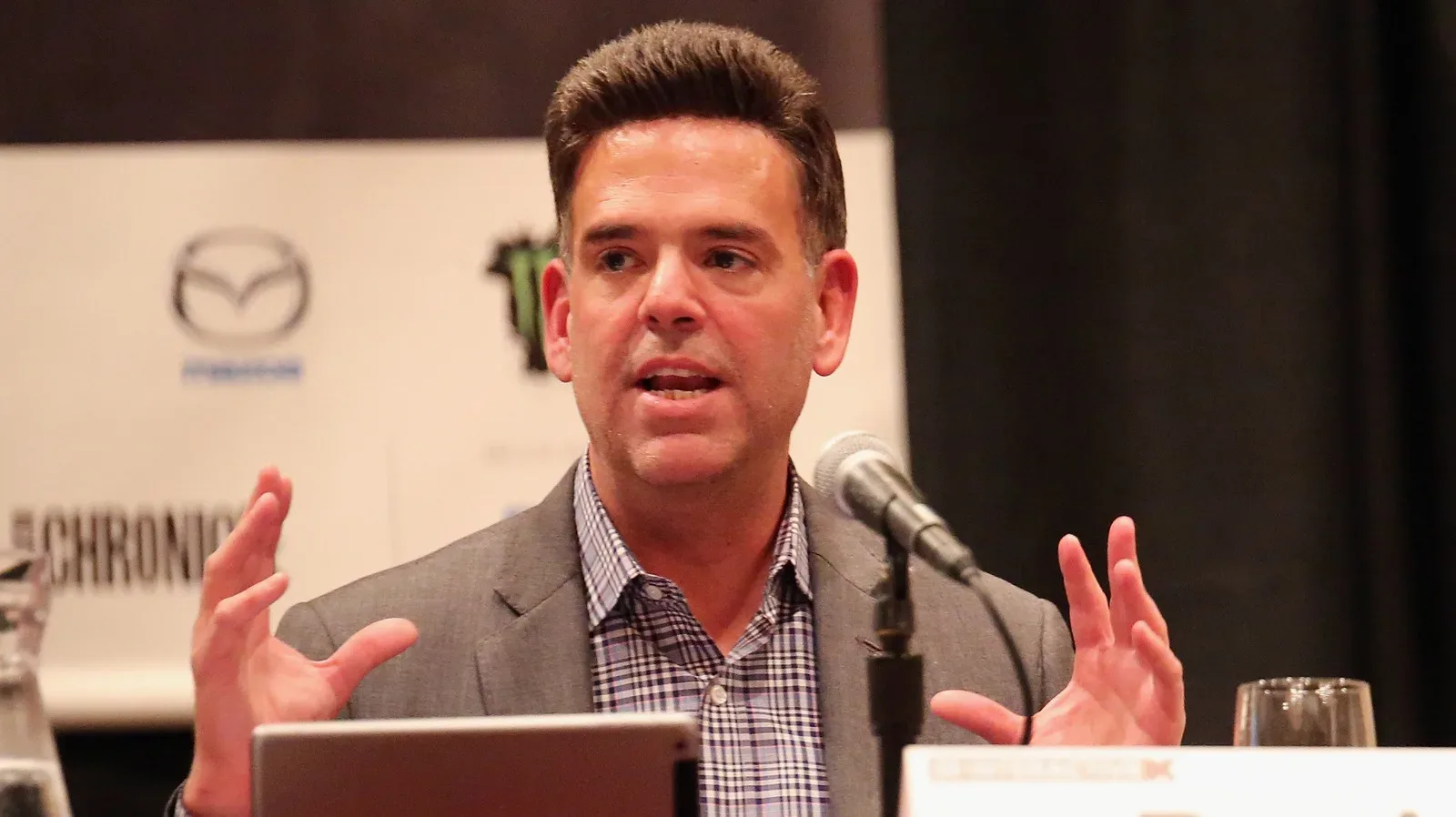
Former WWE co-president George Barrios has revisited the launch of the WWE Network, describing the service’s immediate subscriber response as a moment that surprised even those closest to the project.
Speaking on My World w/ Jeff Jarrett, Barrios discussed the thinking behind WWE’s major shift into direct-to-consumer streaming. The platform debuted in the United States in 2014 at a $9.99 monthly price point, combining WWE’s enormous archive with current programming and the company’s monthly premium live events, then still commonly known as pay-per-views.
For WWE, the Network was not simply a new destination for video content. It represented a significant change to a long-established distribution model. Rather than relying exclusively on traditional pay-per-view providers and cable partners for its biggest events, WWE could offer those shows directly to fans as part of a monthly subscription. The approach also created a home for footage and programming from across WWE history that had not previously been packaged in one comprehensive digital library.
Barrios said the breadth of that library was central to the company’s strategy. WWE had decades of material spanning its own history and the histories of acquired promotions, along with past editions of major events, television programming, documentaries, interviews, and other original content. The goal was to digitize and organize that collection while changing the economics of how fans accessed the company’s biggest shows.
For more background on this topic, read WWE NXT Viewership Rises to 588,000 in Return to Tuesday Slot.
At the time, WWE pay-per-views carried a far higher individual cost than a single month of the Network. Barrios explained that the old model involved a roughly $50 price point for an event, with revenue shared with cable companies. The Network instead gave viewers a lower-cost subscription option while allowing WWE to deal directly with its audience.
Premium Live Events Were Designed To Drive The Service
While the extensive archive was a major selling point, Barrios emphasized that WWE’s major monthly events were always expected to serve as the anchor for the Network. The live event schedule gave fans a recurring reason to maintain a subscription, while the additional programming was intended to build value beyond one night each month.
That was particularly important for viewers who may have traditionally purchased only one or two pay-per-views in a year. Under the old system, fans could selectively buy an event such as WrestleMania, Royal Rumble, SummerSlam, or Survivor Series. The Network asked those consumers to make a different calculation: for a lower monthly fee, they could watch the major events and explore a large archive in between them.
The concept has become familiar throughout the broader streaming business, but it was a substantial move for WWE at the time. The service combined live tentpole programming with an on-demand catalog, and it placed the company in direct contact with subscribers rather than leaving the customer relationship primarily in the hands of outside distributors.
Barrios recalled that there was internal skepticism over just how much professional wrestling content fans would want to consume. He said Vince McMahon questioned the potential appetite for such a volume of wrestling programming before the platform went live.
The opening response offered a clear answer. Barrios said the Network attracted roughly half a million to 700,000 sign-ups within hours of its launch. He characterized the reaction as remarkable and said it stunned those involved with the rollout.
That early rush remains one of the defining aspects of the WWE Network story. The platform was built around the idea that fans would see value in having WWE’s biggest events, historical programming, and new content available in one subscription. The immediate demand suggested that a substantial portion of the audience was ready to embrace that model.
A Major Change In WWE’s Media Strategy
The WWE Network’s 2014 arrival came before streaming became the default home for a wide range of sports and entertainment programming. WWE’s decision to place its premium events inside a subscription service was therefore especially consequential. It changed the fan experience, changed how WWE could package its archive, and changed the discussion around the value of its monthly event calendar.
For longtime viewers, the archive was a key part of the appeal. WWE’s history is unusually expansive, with generations of performers, iconic rivalries, regional footage, event libraries, and major moments that had been difficult to access consistently in a single place. A digital library gave subscribers the ability to revisit programs on their own schedule instead of waiting for a specific re-airing or purchasing individual home-video releases.
The service also created a setting for WWE to develop programming outside its weekly flagship shows and major events. In addition to the archival material, the Network became associated with original series, documentary-style features, interview programming, and additional in-ring content. Those offerings supported the larger monthly subscription proposition that Barrios described.
At its core, the Network’s approach relied on the same question Barrios said McMahon raised: how much WWE content could the audience realistically watch? The initial wave of subscriptions indicated that the answer was considerably more than a traditional pay-per-view model had been designed to accommodate.
That did not mean the service’s impact was limited to a single launch day. By encouraging customers to subscribe month after month, WWE was pursuing a relationship with fans that extended beyond individual event purchases. Every major show could draw attention to the platform, while every piece of archival or original programming could give subscribers another reason to remain with it after a headline event had ended.
From Standalone Platform To Peacock
The standalone WWE Network era in the United States eventually came to an end at the beginning of 2021, when WWE content began moving to Peacock. The change meant that U.S. fans no longer used the original Network as their primary platform for WWE’s live premium events and library content.
That transition marked another evolution in WWE’s media distribution strategy. The company’s content moved from a dedicated service built entirely around WWE programming to a broader streaming environment. For fans who had grown accustomed to the Network’s original format, the change also brought renewed attention to what made the 2014 launch so notable: WWE had built an ambitious platform around its own events, its own archive, and a direct subscription relationship with its audience.
Barrios’ recollection arrives during another period of discussion about how viewers access WWE’s biggest programming. In the United States, WWE’s media partnership with ESPN has created a setup in which some fans may need to pay additional costs to watch premium live events. That reality has led many fans to look back at the WWE Network model and its simple $9.99 monthly proposition.
The comparison is rooted in more than nostalgia. The Network was designed as a specific answer to the high cost and limited frequency of traditional pay-per-view purchasing. A fan who once faced an individual charge for a single event could instead enter a monthly subscription that included the event slate alongside a deep catalog of older material.
WWE’s distribution methods have continued to evolve, but Barrios’ comments underline the importance of the Network in the company’s modern business history. It was a bold attempt to turn a vast wrestling library into a year-round subscription product, with major live events as the key attraction. The immediate launch-day numbers he recalled showed that the idea connected quickly with an audience eager to watch both WWE’s past and its present in one place.
For Barrios, the memorable part of the story is the speed of that early validation. WWE had taken a major risk by reshaping the economics of its premium events and betting that fans wanted extensive access to wrestling content. Within hours of the launch, the level of sign-ups gave the company a powerful indication that the demand was there.
In pictures

Darryl Polo
Darryl Polo is a passionate wrestling fan covering WWE, AEW, TNA and beyond. He loves great rivalries, breakout stars and the moments that keep fans talking long after the bell. How we work.