
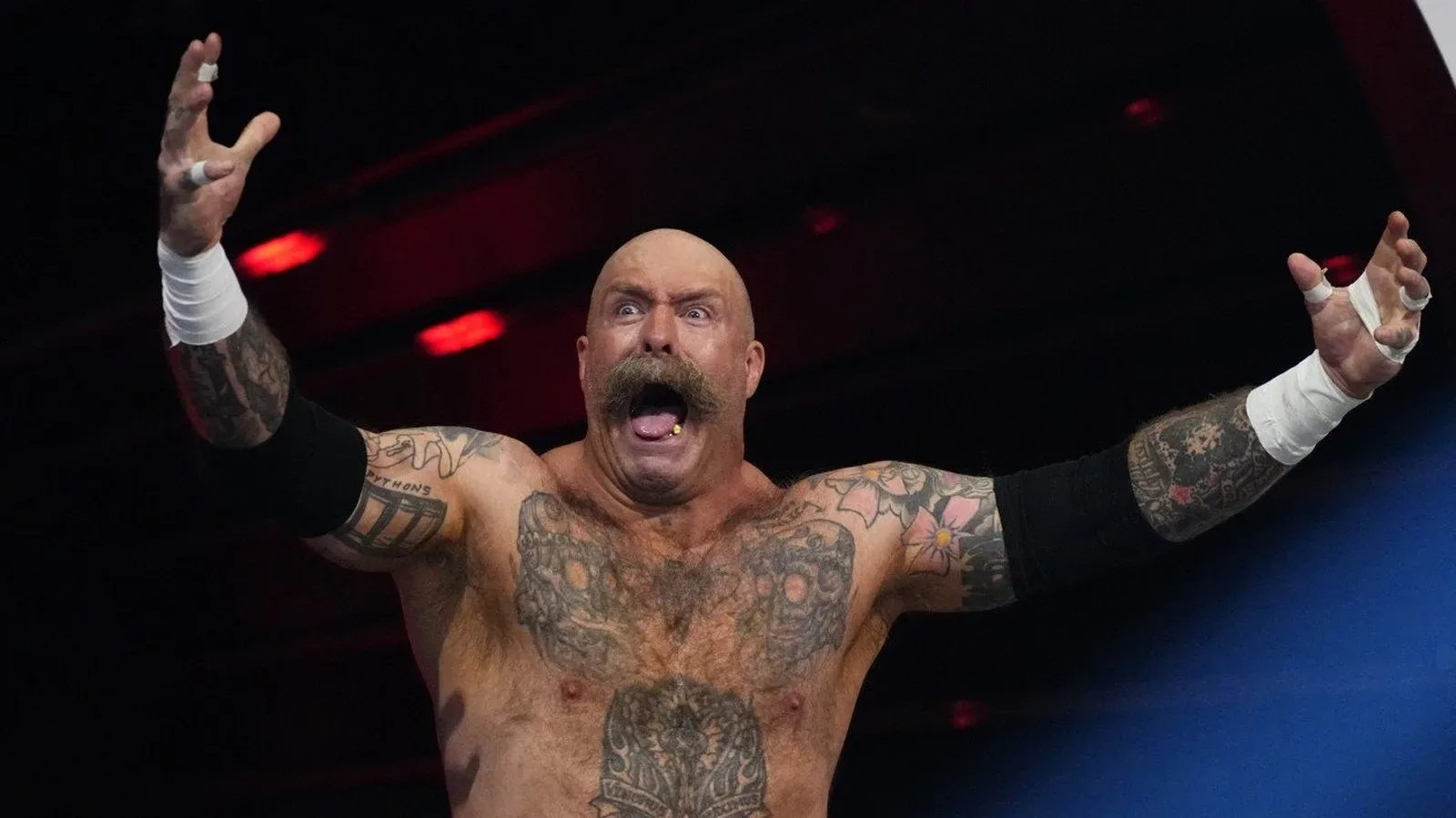
The wrestling world continues to mourn Andy “The Butcher” Williams following his untimely passing, with tributes reflecting both sides of a life that connected deeply with people: his work in professional wrestling and his career as a musician. Frankie Kazarian is among those sharing a personal memory of Williams, describing a friendship that began through music long before they crossed paths as colleagues in the AEW locker room.
Appearing on Busted Open, Kazarian spoke warmly about the former AEW wrestler and recalled first knowing Williams as the guitarist for Every Time I Die. Their initial connection was not built around ring work, training, or wrestling history. It came from a shared passion for Metallica, a common interest that quickly turned into a lasting friendship.
“We immediately clicked because of our love of Metallica. That was my in and we were buds based on that,” Kazarian said.
The recollection is a simple one, but it captures the personal nature of the response to Williams’ passing. For fans, Williams occupied a distinctive position between two demanding worlds. He was recognized in music for his work with Every Time I Die, while wrestling audiences knew him as “The Butcher,” a performer whose intimidating look and physical presence made an immediate impression. For those who worked alongside him, however, the memories being shared have focused just as strongly on his personality away from the spotlight.
For more background on this topic, read Kofi Kingston Says AEW All In Debut Felt Like a “Weird Dream” After Late Signing.
Kazarian said Williams had the rare ability to make people feel as though they had known him much longer than they actually had. The two met more than a decade ago, but Kazarian’s description of their early conversations emphasized how naturally the friendship developed. Music provided the opening, and Williams’ demeanor did the rest.
That kind of connection matters in wrestling, where talent can spend long stretches of time traveling, preparing for shows, and moving between locker rooms filled with people from different backgrounds. Kazarian’s comments presented Williams as someone whose presence made those environments better. He said he was always happy to see Williams when they were together backstage.
A Friend Remembered For His Character
Williams’ passing has prompted an outpouring of memories across social media from people who knew him through wrestling, music, and their personal lives. The consistent picture that has emerged is of someone regarded as kind, funny, caring, and intelligent. Kazarian’s comments align with that broader remembrance, particularly when discussing Williams’ steadiness and the impression he made on the people around him.
Kazarian said he could not recall seeing Williams angry or upset. That observation speaks to the contrast at the heart of “The Butcher” persona. In the ring, Williams looked every bit like a dangerous, hard-hitting villain. Outside of it, Kazarian remembered someone approachable, good-natured, and easy to be around.
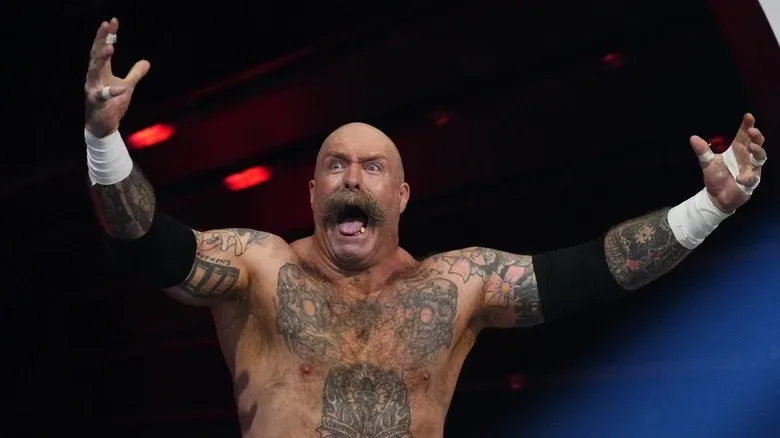
The visual impact of Williams as a wrestler was never difficult to understand. His appearance immediately communicated toughness and made him believable in virtually any setting. Kazarian felt that Williams possessed the kind of presentation that would have translated across generations of the industry, rather than being limited to one particular style or period.
“He looked like a wrestler,” Kazarian said in explaining why Williams stood out. It is a concise assessment, but an important one. Professional wrestling has always relied on performers who can establish an identity before the opening bell. Williams’ look carried a sense of menace and authenticity, and it gave “The Butcher” a presence that audiences could immediately recognize.
Understanding His Role In The Ring
Kazarian’s tribute also addressed Williams as a performer with a clear understanding of what he brought to the craft. Rather than overstating his own abilities or attempting to be something he was not, Williams recognized the strengths of his character and worked within them. Kazarian praised that self-awareness as one of Williams’ most valuable professional qualities.
“Very self aware. Knew his strengths, knew his weaknesses,” Kazarian said. “Very selfless, as he was in life. He was like that as a wrestler.”
That assessment places Williams’ wrestling contributions in the context of his approach rather than simply his résumé. Wrestling is often built on complementary roles, and a performer’s value is not defined only by how many styles they can execute or how often they are placed in the spotlight. Williams understood the kind of character he portrayed and committed to making that character effective.
As “The Butcher,” he leaned into the role of a villain. Kazarian said that Williams sincerely enjoyed professional wrestling and enjoyed playing the bad guy. That enthusiasm was central to what made the act work. A convincing heel does not merely look intimidating; the performer has to understand the purpose of the role, the reaction it is intended to create, and the importance of serving the larger match or story.
“Genuinely enjoyed the craft of pro wrestling and being a bad guy and a villain and knew his lane and was very good,” Kazarian said.
Kazarian was direct in acknowledging that Williams had limitations as an in-ring performer, but his point was not dismissive. Instead, he emphasized Williams’ ability to make the most of what he did well. In an industry where performers are often measured by versatility, that distinction is significant. A wrestler can be effective by knowing exactly what the audience needs from them and delivering it with conviction.
“He was limited with what he could do, but what he could do, he could do well,” Kazarian said.
It is also a reflection of the selflessness Kazarian identified in Williams. Understanding one’s role, protecting the presentation of that role, and contributing to the overall performance are all essential parts of wrestling. Williams’ willingness to embrace his lane as a villain appears to have been viewed by Kazarian not as a restriction, but as a professional strength.
A Legacy Across Music And Wrestling
Williams’ legacy cannot be separated into only one field. He was known as a guitarist with Every Time I Die and as a professional wrestler, and Kazarian’s friendship with him began because those worlds created an immediate shared language. Their mutual love of Metallica was not a wrestling angle or a professional obligation. It was the kind of personal interest that can turn a first meeting into a genuine bond.
That detail gives added weight to Kazarian’s remembrance. The most meaningful tributes often come through the small, specific memories that explain why someone mattered to the people around them. For Kazarian, Metallica was the entry point. From there came a friendship defined by laughter, warmth, and the reliability of seeing someone in the locker room who made the day better.
Williams also represented a type of performer who brought a lived-in authenticity to wrestling. His appearance was suited to the role of “The Butcher,” but Kazarian’s memories make clear that the persona did not define the man. The fearsome presentation and villainous work existed alongside the qualities friends remembered most: kindness, intelligence, care for others, and a sense of humor.
For AEW audiences, Williams will remain associated with a memorable physical presence and a character designed to create conflict. For his colleagues, the loss is more personal. Kazarian’s words offer a picture of a friend who connected easily, loved music, respected wrestling, understood his own role, and approached both his work and the people around him with generosity.
As tributes continue, the stories surrounding Andy Williams reinforce the same message. He was appreciated not only for what he did in the ring or onstage, but for who he was when the performance ended. Kazarian’s memory of an instant Metallica-based friendship, and of a wrestler who knew how to make his strengths count, stands as a fitting reflection of a man who left an impact in more than one world.
In pictures
Darryl Polo
Darryl Polo is a passionate wrestling fan covering WWE, AEW, TNA and beyond. He loves great rivalries, breakout stars and the moments that keep fans talking long after the bell. How we work.