
Content note: This story includes discussion of mental-health crisis, self-harm concerns, and alleged stalking.
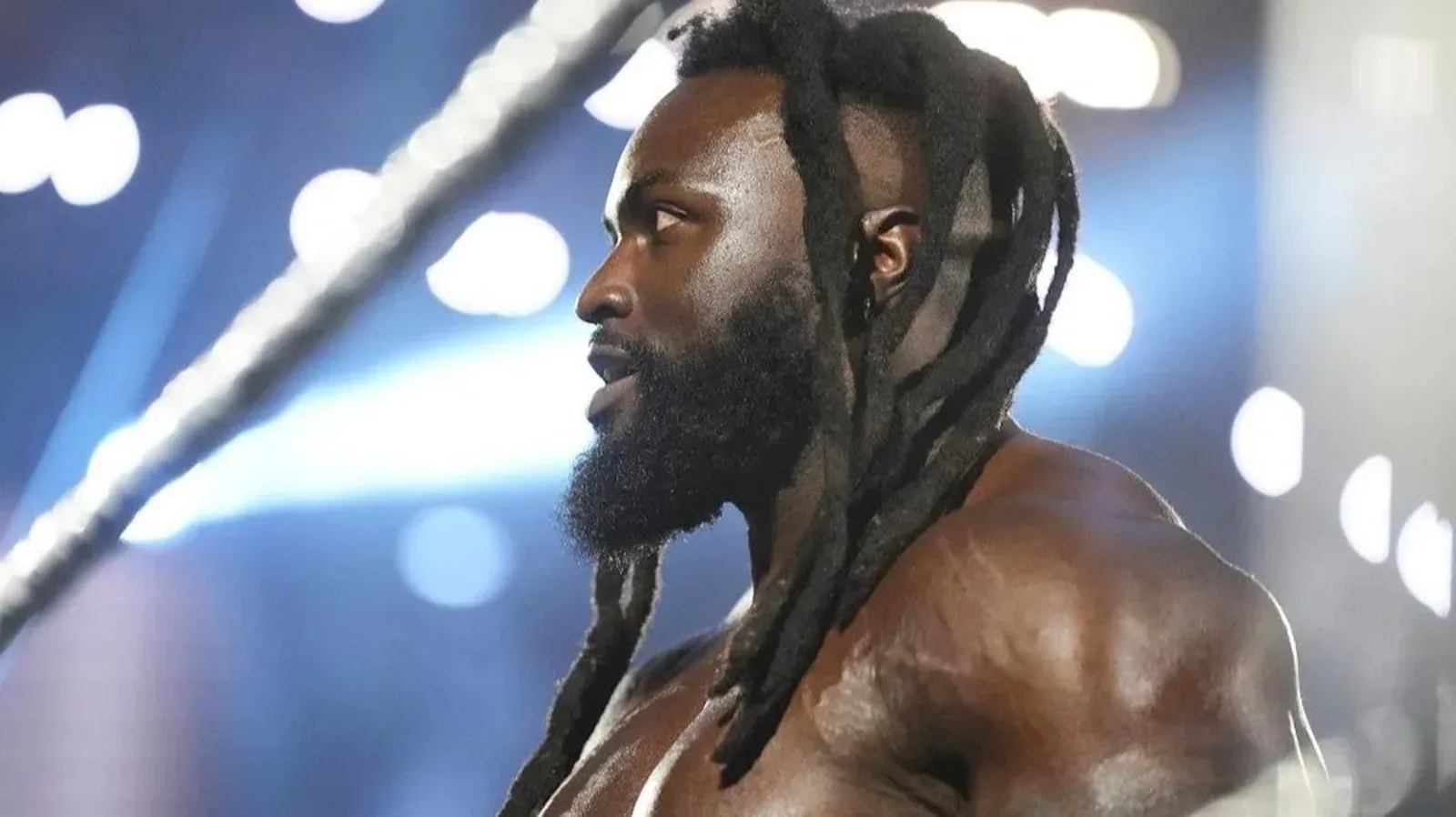
Former WWE NXT talent Keanu Carver, real name Kevin Robertson, was taken into psychiatric custody in October following a reported mental-health crisis in Orange County, Florida.
Robertson, who was released from WWE on October 5 amid allegations involving domestic violence, was placed under Florida’s Baker Act after Orange County Sheriff’s Office deputies responded to an incident at the home of a woman described in the incident report as an acquaintance. The Baker Act is a Florida law that permits an involuntary mental-health evaluation when authorities determine that a person may pose a danger to themselves or others.
The incident occurred less than two weeks after a judge issued a temporary injunction for protection against stalking involving Robertson and a female wrestler. That separate matter remains pending, with Robertson’s next court date scheduled for mid-February. The injunction concerns allegations of stalking, threats, harassment, and abuse. Those allegations have not been resolved in court.
For more background on this topic, read Chad Gable Says Triple H Addressed Shorty G Directly During WWE Contract Talks.
Deputies Responded to Reported Mental-Health Emergency
The Orange County Sheriff’s Office incident report states that Robertson entered an unlocked residence belonging to the unnamed woman. Once inside, he reportedly asked her to purchase tequila for him, which she declined.
The woman subsequently told deputies that Robertson had expressed active thoughts of suicide. The report further stated that he said he had taken alprazolam, a medication commonly known by the brand name Xanax, and may have ingested a harmful substance. Robertson was also reported to have had a knife with him during the incident.
When law enforcement arrived, Robertson allegedly did not comply with instructions from deputies. As he moved toward the woman, deputies immediately took him to the ground and restrained him.
After being removed from the residence, Robertson reportedly told deputies that he wanted to die and had intended to harm himself with the knife. He also said he had been drinking heavily throughout the week, per the incident report.
Authorities then took Robertson into custody and initiated a Baker Act hold. No additional public information was provided regarding whether he remained hospitalized after the initial psychiatric evaluation or what treatment, if any, followed.
What the Baker Act Means in Florida
A Baker Act hold is not a criminal conviction. It is a mental-health intervention under Florida law that allows certain medical professionals, law-enforcement officers, judges, and other qualified parties to request an involuntary examination when there is reason to believe a person has a mental illness and may be at risk of causing harm to themselves or someone else.
In most cases, an individual can be held for an evaluation for up to 72 hours, though the ultimate timeline and any subsequent treatment decisions can depend on clinical findings and legal proceedings. The process is intended to provide an immediate safety intervention during a potentially acute mental-health emergency.
The public incident report describes an intervention by deputies in response to immediate safety concerns. It does not provide a broader medical history for Robertson, nor does it establish the full circumstances that led to the crisis.
Legal Matter Remains Pending
Robertson’s reported October psychiatric hold came shortly after the temporary injunction for protection against stalking was issued. A temporary injunction is a civil court measure and can be put in place while a court considers allegations and determines whether a longer-term injunction is warranted.
The forthcoming mid-February hearing is connected to that protective-order case. The allegations referenced in the case include stalking, threats, harassment, and abuse. As with all pending legal matters, the claims remain allegations unless and until they are established through the legal process.
There was no further information provided in the incident details about the relationship between Robertson and the woman at the residence, beyond the description that she was an acquaintance. There also was no indication that she sustained injuries during the reported encounter.
The separation between the psychiatric hold and the pending injunction matter is important. One concerns an emergency mental-health response by deputies, while the other is a civil legal proceeding involving a request for protection. Both matters are serious, but they follow different processes and should not be treated as a final legal determination of the allegations involved.
Robertson’s WWE NXT Run and Release
Before entering professional wrestling, Robertson played college football. He later joined WWE’s developmental system and performed under the name Keanu Carver in NXT.
Carver was among the younger prospects in the WWE developmental environment, where performers train and work toward regular television exposure. His time in NXT did not develop into a major featured run on WWE programming before his release.
WWE released Robertson from its roster on October 5 amid allegations regarding domestic violence. The company did not publicly disclose extensive details around the decision in the information available here, and the reported allegations should not be presented as adjudicated findings.
In professional wrestling, a release from a roster can occur for a range of reasons, but the timing of Robertson’s departure and the allegations connected to it have placed renewed attention on the subsequent legal and mental-health developments. The available record, however, does not provide a complete account of every circumstance involving his WWE exit or the later incident.
Mental-Health Crises Require Immediate Support
The circumstances described in the Orange County Sheriff’s Office report are troubling, particularly because they involve a reported suicidal crisis and the presence of a weapon. Situations involving immediate risk of self-harm demand urgent intervention from trained professionals and emergency responders.
It is also important to approach cases such as this with care. Mental-health crises can be severe and unpredictable, but they do not excuse alleged harmful conduct toward other people. At the same time, a person experiencing an emergency should be treated as someone in need of immediate safety, evaluation, and appropriate care.
For those following the story, the facts currently available are limited to the reported law-enforcement account, Robertson’s October WWE release, and the pending protective-order case. There has been no public update on his condition following the Baker Act hold, and no final court outcome has been announced in relation to the injunction matter.
Anyone experiencing thoughts of self-harm or suicide should seek immediate assistance from local emergency services, a crisis hotline, or a trusted mental-health professional. In the United States and Canada, people can call or text 988 to reach the Suicide & Crisis Lifeline. If there is an immediate danger, call emergency services.
What Comes Next
Robertson’s next known court date is in mid-February, when the legal process surrounding the temporary injunction is expected to continue. Until then, the status of the civil case remains unresolved.
No announcement has been made regarding a return to wrestling, future bookings, or any professional plans for Robertson. There has likewise been no public confirmation on whether his October psychiatric evaluation led to an extended hospitalization or follow-up care.
The immediate focus remains the seriousness of the reported incident, the welfare of everyone involved, and the legal process still ahead. Further developments may emerge through court proceedings or official records, but the existing information does not provide a final resolution to either the mental-health emergency or the pending allegations.
In pictures

Darryl Polo
Darryl Polo is a passionate wrestling fan covering WWE, AEW, TNA and beyond. He loves great rivalries, breakout stars and the moments that keep fans talking long after the bell. How we work.