
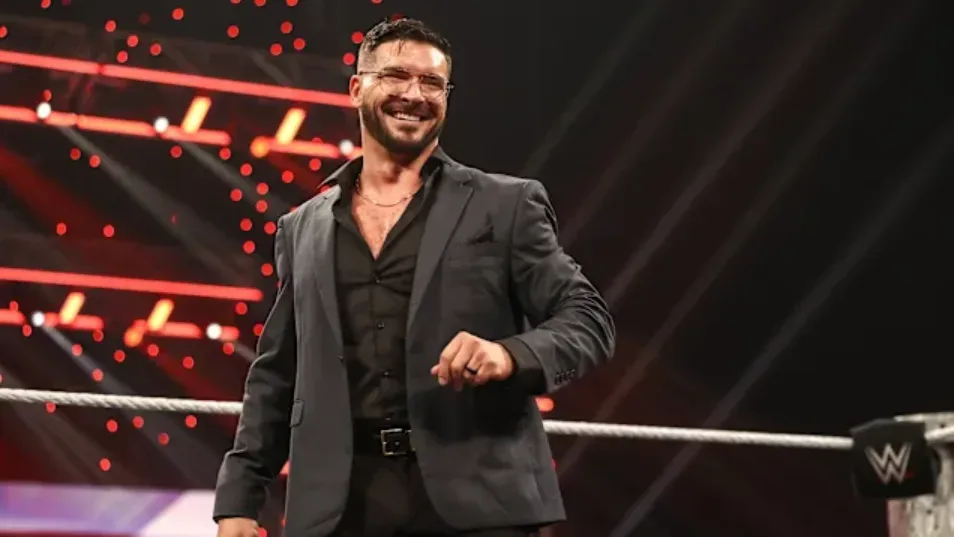
Ethan Page has offered a direct opinion on the expanding use of artificial intelligence in professional wrestling promotion, arguing that the technology should not take the place of human-made art.
In a social media post on November 18, Page responded to a post from Alpha-1 Wrestling, the promotion he founded and runs. His message was short, but it left little ambiguity about where he stands on AI-generated material being used for wrestling posters, graphics, and related promotional work.
“The only thing artificial in wrestling, should be the talent’s confidence … not the art. Good job @A1Wrestling”
View the referenced post on X
The statement reflects a conversation that has become increasingly visible throughout wrestling in recent years. AI-generated images and designs have appeared across parts of the independent scene, including event posters, match announcements, promotional cards, and content shared by individual wrestlers. The response has not been universally positive. Fans, artists, and performers have frequently objected to the practice, particularly when it is used in spaces where commissioned work from designers, photographers, illustrators, and other creatives could otherwise be featured.
For more background on this topic, read Bronson Reed Reportedly Returns to United States After Crown Jewel Injury.
Page’s phrasing plays on a familiar part of wrestling language. Confidence, exaggeration, presentation, and larger-than-life self-belief have always been central to the industry. Wrestlers sell their characters through conviction, even when that conviction is intentionally over the top. In Page’s view, that is where the artificial element belongs—not in the artwork that introduces an event, establishes its atmosphere, or promotes the people appearing on it.
A Debate That Reaches Beyond Posters
The issue is not limited to a single style of graphic or one level of the business. Visual presentation is an essential part of professional wrestling at every level. A poster can be a local promotion’s first impression. A match graphic tells fans what matters on a card. An entrance video can help establish a wrestler’s personality before the opening bell. Merchandise art can become part of a performer’s identity long after a particular show has ended.
That creative work has historically relied on people with specific skills: graphic designers who understand layout and branding, photographers who capture live action, illustrators who translate a gimmick into a distinctive image, videographers who shape a presentation, and editors who know how to make a message clear at a glance. AI tools have created a new shortcut for generating visual material, but Page’s post suggests that speed and convenience do not outweigh the value of human creative contribution.
That concern is especially relevant in independent wrestling, where presentation can be both a challenge and a point of pride. Smaller promotions may operate with limited resources, yet they often develop dedicated visual identities through the work of local and independent artists. A strong piece of artwork can communicate the tone of a show, spotlight a main event, and give an audience something memorable to share. For talent, it can also mean promotional material that feels tailored to their character rather than built from a generic prompt.
AI-generated images have prompted broader concerns in creative industries over authorship, employment, consent, and the sourcing of data used to train such systems. Wrestling’s version of that discussion carries its own complications because the business depends so heavily on individual identity. A wrestler’s likeness, costume, branding, logos, and character traits are often central to their ability to connect with an audience and earn money. When those elements are re-created through automated imagery, questions naturally follow about quality, control, and respect for the people involved.
Page’s Connection to Alpha-1 Wrestling
Page’s comment carried additional weight because it was made in response to Alpha-1 Wrestling. As the promotion’s founder and operator, he is not only speaking as a wrestler commenting on an industry trend. He is also addressing the choices that go into presenting a wrestling company and its events.
Alpha-1 Wrestling has provided Page with a platform outside his own in-ring work, allowing him to be involved in the operational and promotional side of the business. That perspective can make the question of AI use more immediate. Promoters must decide how to market cards, where to allocate resources, and what kind of public image they want their companies to project. Page’s message indicates that he sees human-made artwork as part of that responsibility.
The post also puts the focus on the people whose labor can be overlooked when promotional material is reduced to a quick digital output. Wrestling often celebrates the visible roles: the wrestlers in the ring, the referees officiating matches, and the personalities speaking into microphones. But the finished product also depends on a large creative and production network. Artwork is one of the most public-facing elements of that network, and it can shape a fan’s expectations before they purchase a ticket or watch a stream.
Page did not lay out a detailed policy proposal in his post, nor did he identify a specific company or individual whose use of AI he was criticizing. Instead, he made a broader statement of principle. The concise nature of the message makes its intended contrast clear: wrestling can embrace the theatrical confidence of its performers without allowing technology to displace the art that supports the show.
Why the Response Matters
Disagreement over AI use has become a recurring topic in wrestling because the industry’s promotional ecosystem is unusually accessible. A local event can create and distribute a match card within minutes. Individual talent can produce their own flyers, logos, merchandise concepts, and social-media posts without a large corporate infrastructure. That accessibility gives people more tools, but it also means choices about AI can have an immediate impact on working artists who have traditionally provided those services.
Critics of AI imagery have often pointed to its tendency to produce visual mistakes, indistinct details, and work that can feel disconnected from the personalities it is meant to represent. Beyond those practical objections, there is a question of whether wrestling promotions want their presentation to reflect the individuality they seek from their performers. Wrestling thrives on distinct voices, recognizable looks, memorable names, and personal stories. Original art can reinforce those traits in a way that standardized or automated material may not.
There has also been active resistance to AI use in some areas of wrestling. Promoters have taken steps to discourage or prohibit its use for promotional graphics and entrance-video material, while fans and wrestlers have voiced support for artists whose work is being affected by the growing trend. Page’s post adds another recognizable voice to that side of the debate.
His wording is also notable because it does not frame the issue as an abstract technological question. Instead, it frames it as an artistic one. The phrase “not the art” centers the work of creators and implies that art should remain a human expression within an industry already built around creative collaboration. A wrestling poster is not merely an advertisement; it can be part of the event’s storytelling and an extension of the wrestlers featured on it.
An Industry Conversation Still Developing
AI’s role in wrestling will likely remain an ongoing subject as the technology becomes easier to access and more commonly used. There is no single approach across the industry. Different promotions, performers, and creative teams will make their own decisions, and the standards surrounding those decisions are still developing.
For Page, however, the position he expressed is straightforward. Wrestling performers may portray supreme confidence, make extravagant promises, and inhabit heightened characters. That kind of artifice is part of the appeal. But the art used to present the industry, in his view, should come from actual artists.
The Alpha-1 Wrestling founder’s message may have been brief, yet it speaks to a larger point of tension in modern wrestling promotion: whether efficiency should replace creative labor, or whether promotions should continue investing in people who bring their own craft and perspective to the visual side of the business. Page has made clear which side of that divide he supports.

Darryl Polo
Darryl Polo is a passionate wrestling fan covering WWE, AEW, TNA and beyond. He loves great rivalries, breakout stars and the moments that keep fans talking long after the bell. How we work.