
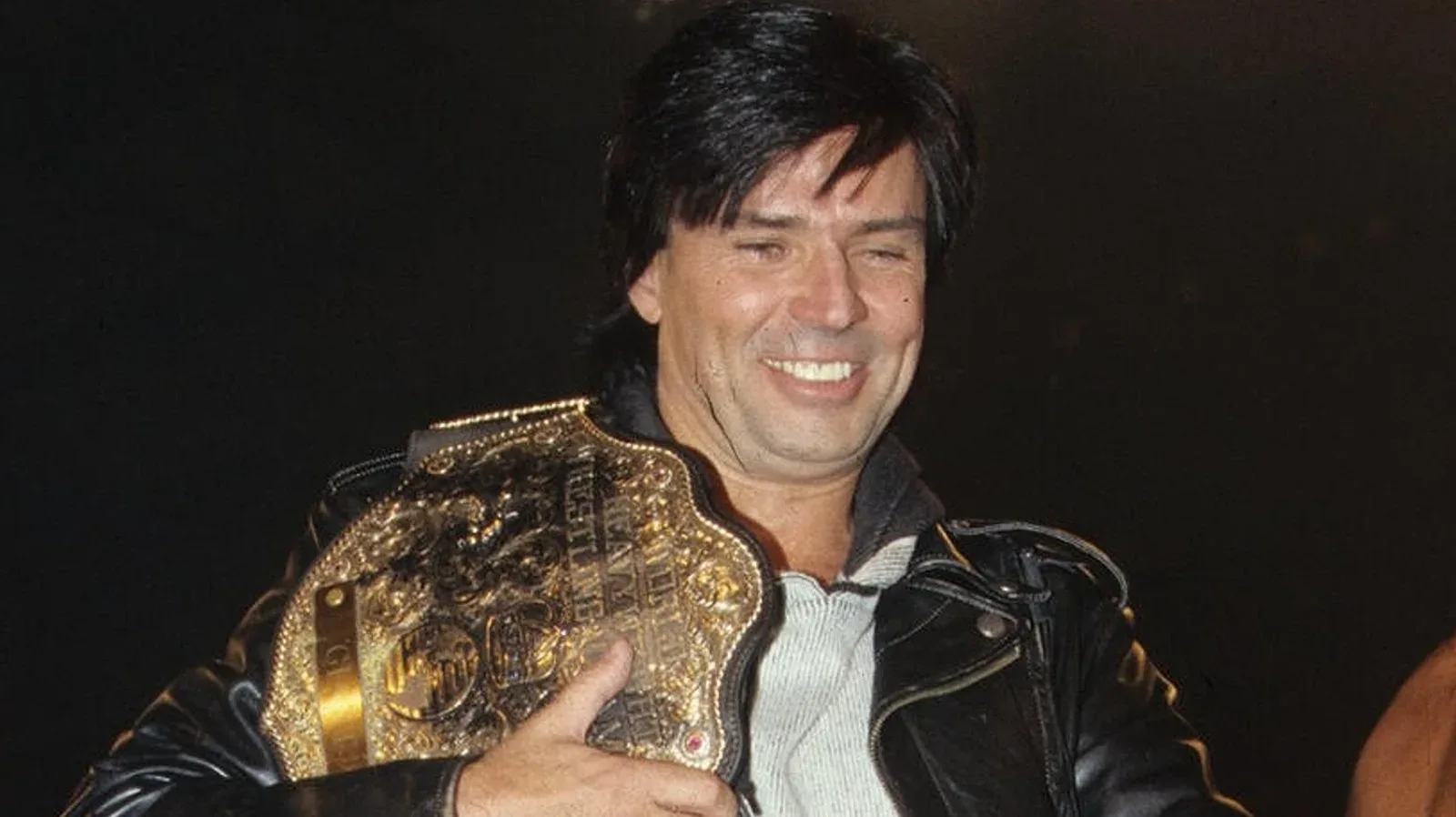
Eric Bischoff believes professional wrestling needs to give audiences a reason to think about the next episode long after the current show has ended.
The WWE Hall of Famer has spent years discussing the importance of presentation, television structure, and audience retention in wrestling. In his latest comments, Bischoff returned to one of the central themes of his critiques: compelling matches alone are not enough to build the broadest possible audience. For wrestling to function at its highest level as weekly television, he argues, it needs ongoing stories with the emotional pull and cliffhanger quality associated with serialized drama.
Speaking on 83 Weeks, Bischoff described wrestling as a physical, combat-oriented form of entertainment, but said that aspect should be paired with the kind of dramatic storytelling that makes viewers feel they cannot miss the next installment.
“It is a male, testosterone — and sometimes female — testosterone-driven, action-driven, combat — it’s fake combat, but perceived combat — but I think it has to have that soap opera feel in order to be episodic,” Bischoff said on 83 Weeks.
For more background on this topic, read Raquel Rodriguez vs. Iyo Sky, Gable and Dragon Lee vs. Big Cass and Ethan Page Set for October 26 WWE Raw.
Bischoff’s point was not that wrestling should abandon its athletic foundation. Rather, he sees the action as one part of a larger weekly television formula. The matches, confrontations, alliances, betrayals, title pursuits, and personal rivalries all work together when presented as chapters in stories that continue from one episode to the next.
For Bischoff, the ideal response from an audience is not simply satisfaction after watching a strong main event. It is anticipation. He wants viewers leaving a program with a clear desire to learn what follows, whether that means seeing the next development in a rivalry, discovering the consequences of a major decision, or watching an unresolved conflict move closer to a payoff.
“If it’s going to be successful, it should be episodic,” Bischoff said. “We should create the same need, desire, whatever you want to call it, for the audience. When that show’s over? They should already be looking forward to next week to find out what happened or where a story goes.”
Bischoff’s Longstanding View on Wrestling Television
The comments fit neatly within Bischoff’s familiar outlook on professional wrestling. He has repeatedly emphasized that wrestling is not merely a collection of individual bouts. It is a television product, and television must create habits. A viewer who feels they can skip a week without missing anything is less likely to develop a strong routine around the show. A viewer who believes a major storyline could take an important turn is more likely to return.
That distinction is central to the word “episodic.” An episodic wrestling program has continuity. Events matter after they happen. Characters react to victories, defeats, insults, betrayals, title losses, and shifting relationships. A match can settle one issue while opening another. A heel’s strategy can produce consequences that change the direction of a division. A champion’s reign can become more meaningful when challengers, allies, and opponents are all part of a sustained narrative.
Bischoff argued that this connective tissue is too often absent in wrestling. In his view, a fight with no meaningful angle attached to it may still appeal to a portion of the fan base, especially viewers who primarily value the quality of the in-ring performance. However, he does not believe that approach represents the preference of the majority audience.
His criticism is therefore aimed at balance rather than the existence of wrestling-focused programming. A technically impressive or physically intense contest can be valuable, but Bischoff sees greater potential when the audience understands why the wrestlers are fighting, what each competitor stands to gain, and how the result will affect the next chapter.
The Soap Opera Comparison
The soap opera comparison has long been part of the language of professional wrestling, sometimes used dismissively and often used as praise for the genre’s dramatic possibilities. Bischoff embraces the comparison as a practical framework for keeping audiences emotionally engaged.
In wrestling, the performers already operate with heightened personalities, intense conflicts, and clearly defined stakes. Champions defend status and prestige. Challengers chase validation. Former partners become rivals. Managers manipulate situations. Friendships are tested by opportunity. Authority figures can create obstacles or alter the direction of a feud. Those elements naturally lend themselves to continuing drama.
What matters in Bischoff’s view is making the stories feel like they are moving somewhere. A weekly program should not simply repeat the same confrontation with minimal change. The audience needs progression, escalation, and consequences. Each segment does not need to provide a final answer, but it should create a reason for the story to continue and for viewers to care about where it is headed.
That can take many forms. A confrontation may leave a question unanswered. A match result may complicate a championship picture. A wrestler may reveal a new motive. A partnership may show signs of breaking down. The essential goal is to provide viewers with an emotional investment that extends beyond the bell.
Bischoff’s argument also recognizes that wrestling’s format is unusual. It is staged as combat, yet it is also character-driven entertainment. Fans can be drawn in by athletic performances while simultaneously following the emotional logic of the characters involved. In Bischoff’s view, the strongest weekly wrestling television uses both sides of that equation instead of treating them as competing priorities.
WCW and the Value of Ongoing Angles
Bischoff also connected his belief in episodic storytelling to WCW’s success during his time leading the promotion. He said the approach was a key part of what allowed WCW to thrive and described it as distinct for its era.
“It was very unique at the time,” Bischoff said on 83 Weeks.
His broader point is that a wrestling show can become appointment viewing when its stories are treated as ongoing television narratives rather than isolated events. The weekly format gives a promotion repeated opportunities to deepen rivalries and create moments that audiences want to discuss. It also gives fans a reason to follow the product consistently instead of selecting only the biggest shows or the individual matches that interest them.
Bischoff has often framed wrestling business discussions through that lens. Ratings, attention, and fan loyalty are not solely produced by what happens inside the ropes. They are also shaped by whether the show creates a feeling of momentum. When one episode leads naturally into another, every development can carry added weight.
That does not mean every match needs a lengthy backstory or every episode requires a dramatic cliffhanger. But the overall presentation, as Bischoff sees it, should leave viewers with a sense that the program is building toward something. The audience should understand that relationships and outcomes from this week may matter next week.
A Continuing Critique of Modern Wrestling
Bischoff’s latest remarks continue a larger conversation he has had about current wrestling storytelling. He has previously cautioned against letting in-ring action become more important than the narratives surrounding it, while also praising WWE creative figures such as Triple H and Bruce Prichard for helping win back viewers after Bischoff believed WWE had lost part of its audience through its storytelling.
Those opinions reflect his preference for a product in which wrestling serves the story and the story, in turn, gives the wrestling more meaning. The objective is not to reduce the importance of ring work. It is to ensure that audiences have an emotional reason to invest in the people performing it.
Bischoff acknowledged that there are fans who enjoy wrestling matches without substantial narrative framing. That audience exists, and it can appreciate the craft on its own terms. Still, he believes the larger audience is more likely to remain engaged when the action is tied to clear angles and evolving characters.
For a weekly wrestling brand, the question is ultimately simple: what makes a viewer come back? Bischoff’s answer is that the show must create desire for the next episode. Not just another match, but the next development. Not just another segment, but an answer to a question the program intentionally left hanging.
That is why he continues to argue for episodic storytelling. In Bischoff’s model, wrestling is at its most effective when it combines perceived combat with the dramatic momentum of serial television. The bell-to-bell action may capture attention in the moment, but the story is what can make an audience feel compelled to return.
In pictures

Darryl Polo
Darryl Polo is a passionate wrestling fan covering WWE, AEW, TNA and beyond. He loves great rivalries, breakout stars and the moments that keep fans talking long after the bell. How we work.