
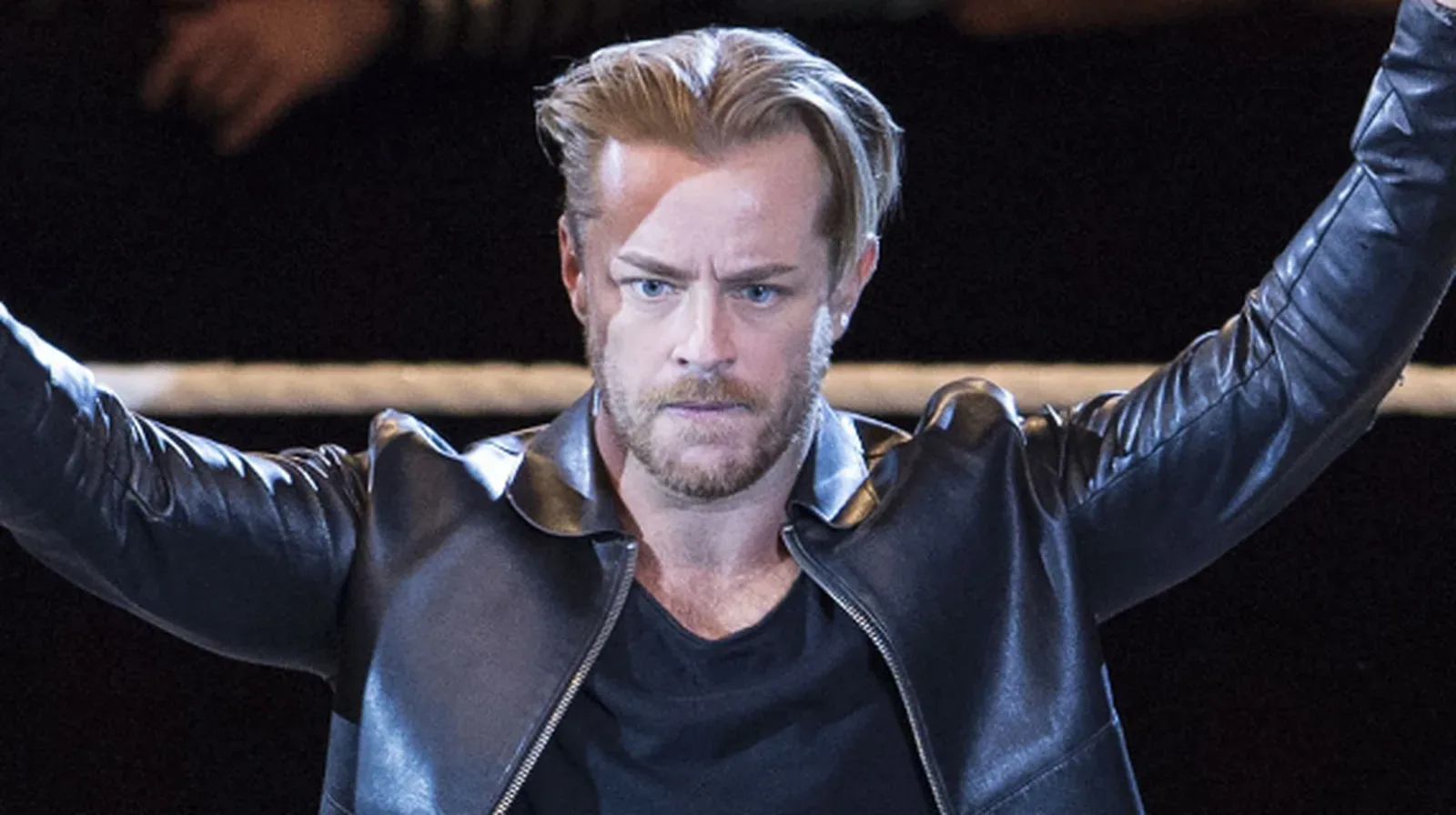
Drake Maverick is preparing to wrestle again, but the former WWE and TNA performer is making clear that fans should not necessarily view it as the beginning of a lengthy return to full-time competition.
Maverick, who will work PROGRESS Wrestling dates in his hometown of Birmingham, England, has received permission from WWE to compete under the Rockstar Spud name. The appearances represent a notable in-ring opportunity for a wrestler many believed had stepped away from active competition after his WWE release as a performer in 2021.
While Maverick remained with WWE after that change, moving into a writing role, the chance to put the boots back on arrived unexpectedly. Speaking with Simon Miller, Maverick explained that the offer came at a moment when wrestling was far from the focus of his day.
“I think it's the first time and only time, maybe even the last time,” Maverick said. “I don't know. This landed on my lap two weeks ago, thirty minutes before I was going to dinner with my wife for her 40th birthday.”
For more background on this topic, read Chad Gable Reflects on WWE Setbacks and Why His Intercontinental Title Run Feels So Rewarding.
That timing underlines why Maverick is approaching the PROGRESS dates with a sense of perspective. This is not being framed as a declaration that he has resumed a regular in-ring schedule or that he is seeking to re-establish himself as a weekly wrestler. Instead, it is an unusual opportunity for a veteran performer to revisit a formative part of his career, in front of a hometown crowd, while still retaining his current role within WWE.
A Birmingham Homecoming For Rockstar Spud
The Rockstar Spud name carries major significance in Maverick’s story. Before becoming widely known to WWE audiences as Drake Maverick, he built his reputation in British wrestling as Rockstar Spud. The character helped establish him as one of the more distinctive personalities to emerge from the United Kingdom scene, combining undersized underdog energy, verbal flair, and a willingness to take on larger opponents.
His work eventually took him beyond Britain, including a major run in TNA, where he became a familiar television presence and held prominent roles both in and out of the ring. WWE audiences later saw Maverick in several capacities, from his 205 Live work to high-profile comedy and storyline roles, as well as competitive matches that emphasized his ability to generate sympathy and urgency.
For this return, however, the connection to Birmingham and British wrestling appears to be central. Maverick said he had reached a point where he had accepted the idea that his active wrestling career was over. The PROGRESS invitation changed that outlook, giving him a chance to perform once more in a setting that is personally meaningful rather than simply professionally convenient.
He described the experience as one of several blessings he did not expect to receive, particularly because it allows him to revisit the ring in the city that helped shape him as a performer.
“I'm just feeling really good, and this landed on my lap is just one of those many blessings that you never thought would happen,” Maverick said. “But like, I get to do this in my hometown one more time, and it sounds like we're going to sell out, which is a feather in my cap I hope.”
For a wrestler whose career has spanned independent promotions, major national television, creative work, and multiple reinventions, that potential sellout atmosphere adds emotional weight to the occasion. It is not merely another booking. It is a return to the environment that existed before the international exposure, before the WWE office role, and before he had begun to make peace with the possibility that his days as an active wrestler had ended.
WWE Permission Makes The Appearances Possible
The arrangement is also notable because Maverick remains employed by WWE as a writer. His PROGRESS work is taking place with WWE’s approval, allowing him to compete while maintaining that behind-the-scenes position. In an era where outside wrestling appearances by WWE personnel can draw attention, the fact that permission was granted makes these dates a distinct situation.
There is no indication that Maverick’s approved appearances represent a broader change in his WWE status. Nothing about his comments suggests he is leaving his writing role, nor has he presented the PROGRESS run as a permanent move away from WWE. The available details point instead to a limited set of opportunities built around his personal ties to Birmingham and the appeal of appearing as Rockstar Spud again.
That distinction matters. A return to the ring can mean very different things depending on the performer. For some, it is the start of a full comeback and a renewed pursuit of championships, regular touring, and long-term bookings. For Maverick, the tone is more reflective. He openly acknowledged the possibility that this could be his first, only, and last return. That uncertainty is part of what makes the appearances compelling.
Rather than promising an extended campaign, Maverick is allowing the moment to be what it is: a chance to compete in a familiar place and reconnect with an audience that knew him before the Drake Maverick era.
Renee Michelle’s Support Helped Shape The Decision
Maverick also credited the support of his wife, wrestler Renee Michelle, as an important part of his ability to embrace the chance. He had been preparing to celebrate Michelle’s 40th birthday when the offer arrived, a circumstance that could easily have made the news feel inconvenient or poorly timed. Instead, her understanding of the wrestling business and support for his opportunity helped him view it positively.
That support is especially meaningful given Maverick’s description of where he was mentally before PROGRESS entered the picture. He had already begun to appreciate the life and stability he had built outside of active wrestling. The opportunity did not arrive because he was publicly campaigning for one more run. It came after he had accepted a different chapter of his life.
In that context, returning to the ring is not described as dissatisfaction with his current work or a rejection of his life away from regular competition. It is the opposite: Maverick sees the chance as an unexpected addition to a life for which he already feels grateful.
His comments also suggest that the practical rhythm of preparing to wrestle has been beneficial. Training and getting ready for dates can restore a familiar routine for someone who spent years structuring his life around matches, travel, and the physical demands of the profession. Even if the stint is brief, the process has offered him a renewed connection to the work he loves.
British Wrestling’s Role In Maverick’s Career
Maverick’s affection for Birmingham extends beyond hometown pride. He specifically spoke about what both the city and British wrestling have given him over the years. That history is why the PROGRESS dates carry a different meaning than a standard independent appearance elsewhere might have carried.
“So I'm kind of overwhelmed in a good way,” Maverick said. “I'm feeling...I'm feeling really great, and every time I come home, I feel so nostalgic. Birmingham has done a lot for me, British wrestling has done a lot for me, so this is just a wonderful day out with the lads for young James.”
The reference to “young James” offers a revealing glimpse at the emotional heart of the situation. Before the ring names, television storylines, and industry roles, there was a young fan and aspiring wrestler in Birmingham. Competing again as Rockstar Spud gives Maverick an opportunity to honor that earlier version of himself while standing in a very different place professionally and personally.
PROGRESS is therefore getting more than a recognizable name for these shows. It is hosting a homecoming shaped by the full arc of Maverick’s career. Fans who followed Rockstar Spud before his national television work will have the chance to see that identity revived, while viewers who know him primarily as Drake Maverick can see another side of the performer’s history.
A Meaningful Return With No Promises Beyond It
The key takeaway from Maverick’s comments is not a guarantee of a prolonged comeback. It is the sincerity of an opportunity he did not expect. He has been candid that the run may be limited, perhaps even a one-time experience, and there is no stated plan for a regular independent schedule beyond the approved PROGRESS dates.
Still, that uncertainty does not diminish the significance of the return. In many ways, it enhances it. Maverick is not presenting these appearances as business as usual. He is treating them as a rare gift: the ability to wrestle in Birmingham, under the Rockstar Spud name, with WWE’s permission, after believing that portion of his life had already concluded.
For Maverick, the immediate goal appears simple. Enjoy the process, honor the place that helped launch his career, and make the most of another night in front of the people who understand what Rockstar Spud means. Whether it proves to be one final match or the first of several special appearances, the return already carries the feeling of a full-circle moment.
In pictures

Darryl Polo
Darryl Polo is a passionate wrestling fan covering WWE, AEW, TNA and beyond. He loves great rivalries, breakout stars and the moments that keep fans talking long after the bell. How we work.