
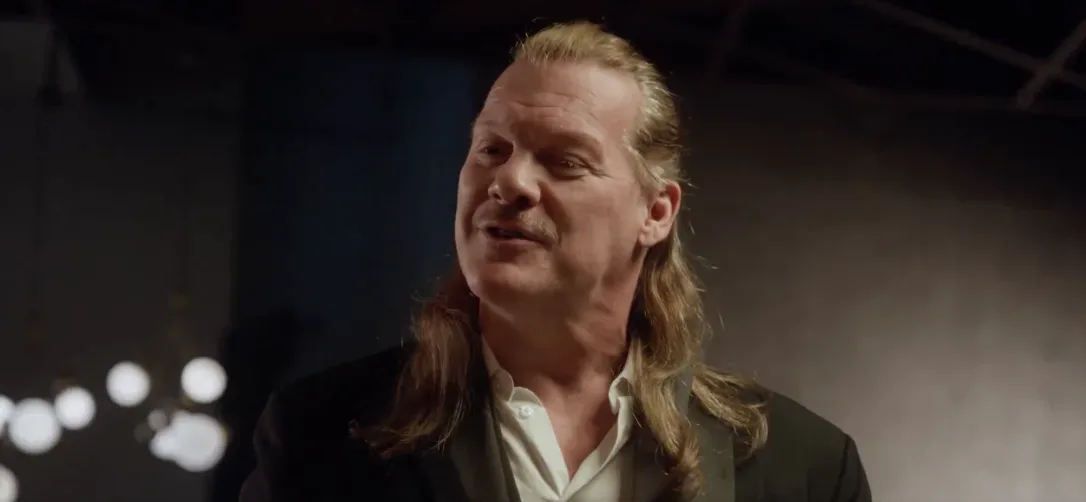
Chris Jericho does not believe a future WWE Hall of Fame induction is required to validate what he has accomplished in professional wrestling.
The AEW star addressed the possibility of being honored by WWE while reflecting on a career that has now stretched across 36 years. Jericho spent nearly 20 years associated with WWE, with breaks away from the company along the way, before becoming one of AEW's foundational names. While many fans view him as a natural eventual candidate for the WWE Hall of Fame, Jericho made clear that he is comfortable regardless of when—or whether—that moment happens.
For Jericho, the question is not whether he has built a Hall of Fame-worthy body of work. He believes the matches, characters, rivalries, moments, and creative contributions from his WWE tenure speak for themselves. The larger point, however, is that external recognition is not what he needs in order to feel fulfilled by his career.
“I had a great career in WWE. It was almost 20 years with a few years here and there off, it was always my dream to be in the WWE. Did I create enough memorable moments and matches and characters and creations and rivalries and moments to be in the WWE Hall Of Fame? Absolutely. That’s all I need.”
For more background on this topic, read Adam Copeland Explains Why Fan Connection Matters More Than Big Moves.
Jericho Is Not Waiting For An Official Stamp Of Approval
Jericho's remarks carry a notably measured tone. He did not dismiss the prestige of a WWE Hall of Fame induction, nor did he suggest that he would turn one down. Instead, he said he understands that decisions surrounding recognition in wrestling can involve timing, business realities, relationships, and what he referred to as tribalism or politics.
That perspective is unsurprising from someone who has spent decades navigating different eras of the industry. Jericho has worked at the highest levels of major promotions, reinvented himself repeatedly, and remained an active television presence long after many of his contemporaries stepped away from regular in-ring competition. His current position in AEW naturally adds another factor to any discussion about a WWE honor while he remains active elsewhere.
Still, Jericho stressed that he would not interpret a delay or absence of an induction as a personal slight.
“If I’m in, if I’m not in, if it’s tribalism or if it’s politics, I get that too, man. I’ve been in this business for 36 years, I understand how it works. It’s not personal, I’m not insulted.”
That distinction matters. Hall of Fame conversations in wrestling often become emotional debates between fans, especially when a performer's ties to multiple companies complicate the picture. Jericho is approaching the issue from a different angle. He is not presenting WWE recognition as a debt that must be paid. Rather, he sees it as one possible acknowledgment among several that could arrive at different points in time.
His comments also leave room for AEW to create and establish its own institutional honors as the promotion continues to grow. AEW has not been described by Jericho as having a current Hall of Fame structure in these remarks, but he said that being among the first names recognized by an eventual AEW Hall of Fame would be meaningful as well.
“If my finish my career with AEW and the first inductee or the second inductee or the tenth inductee into the AEW Hall Of Fame, that’s great too.”
An AEW Original With A Long WWE History
Jericho's place in AEW history is already significant because of his role from the company's earliest period. He was among the major established names attached to AEW at its launch and became its first world champion. That position made him an important bridge between the company's ambitions and an audience familiar with his extensive history on national television.
At the same time, his WWE career remains a major part of the discussion. Jericho himself described WWE as the place he always dreamed of reaching. Across his long tenure there, he became synonymous with reinvention, shifting between different personas and roles while remaining a prominent figure through changing rosters and eras. His own description of that period centered on memorable matches, characters, rivalries, creations, and moments—elements that have long shaped the case fans make for his eventual induction.
Rather than separating those chapters of his career, Jericho views them as parts of one larger professional life. That is why his comments do not frame AEW success as competing with WWE success. He can recognize what his WWE run meant to him while also placing value on the work he has continued to do in AEW.
That outlook is particularly relevant in an industry where career legacy is frequently filtered through promotion loyalty. Fans often discuss wrestlers as belonging primarily to one company, even when the performer has made meaningful contributions in several places. Jericho's position is broader: the work itself is what matters most, and an official plaque is secondary to the impact that work has had on viewers.
“In The Hall Of Fame” Where It Counts
Jericho's most direct statement came when he explained his personal definition of Hall of Fame status. In his view, the judgment that matters has already been made through the connection his work has formed with audiences over the years.
“I’m in the Hall Of Fame in my head and in the heads of anybody that appreciates the work I’ve done. That’s good enough for me man, it really is. I don’t need anything else that that, you know?”
He acknowledged that this sentiment could sound self-assured, but maintained that it is sincere. Jericho said he has lived a blessed life and has been able to travel the world doing what he always wanted to do. He also pointed to the core emotional purpose of his profession: making people happy or making them angry, with both reactions representing meaningful engagement from an audience.
“That might sound a little bit like, oh, but it’s really true. I’ve had a real blessed life and I’ve got a chance to travel around the world doing what I always wanted to do and making people happy by doing it or getting people angry by doing it, which is the same thing. That’s hall of fame all across the board, you know?”
It is a fitting philosophy for a performer whose career has been built around adaptability. Wrestling Hall of Fame recognition is usually discussed as the conclusion of a career, a ceremonial moment that places a final historical label on a performer's accomplishments. Jericho is still active, though, and he is evaluating his legacy as an ongoing body of work rather than a closed chapter awaiting final approval.
There is no indication in his comments that a WWE induction is imminent, and Jericho did not offer a prediction about when one could happen. He also did not present AEW recognition as a certainty. What he did make clear is that neither uncertainty changes his own assessment of what he has achieved.
For fans, the debate over Jericho's eventual Hall of Fame destination will likely continue. His WWE history provides a substantial case for eventual recognition there, while his place in AEW's early identity ensures he would be an obvious name in any future AEW Hall of Fame conversation. Jericho, however, is not treating those possibilities as a referendum on his career.
Instead, he is measuring success by longevity, creative output, worldwide experience, and the audience response he has generated throughout 36 years in the business. By that standard, Jericho believes he has already earned the distinction—whether an official ceremony arrives soon, years from now, or not at all.
Jericho also discussed Nick Wayne's potential future as a world champion during the same interview, though the details of those remarks were not included with his Hall of Fame comments.

Darryl Polo
Darryl Polo is a passionate wrestling fan covering WWE, AEW, TNA and beyond. He loves great rivalries, breakout stars and the moments that keep fans talking long after the bell. How we work.