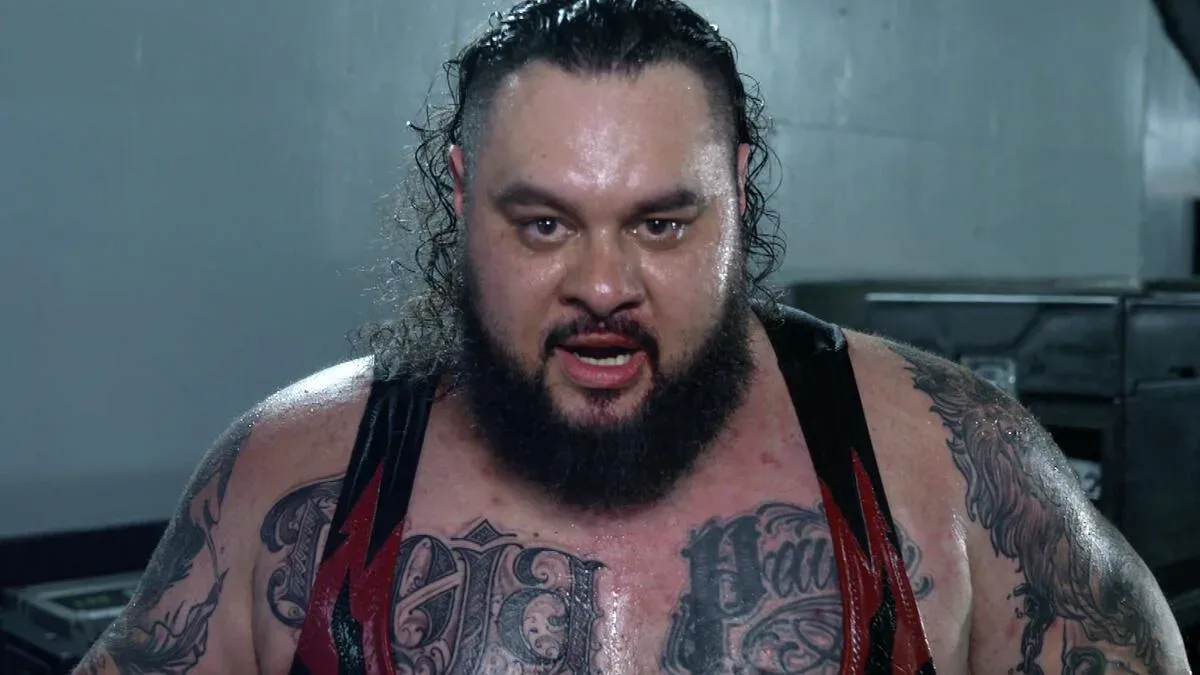
Bronson Reed says his pursuit of a WrestleMania moment has been repeatedly derailed by injuries, with the WWE star revealing that he was scheduled for featured matches at both WrestleMania 41 and WrestleMania 42 before being sidelined.
For Reed, WrestleMania is not simply another date on WWE’s calendar. It is the goal that has remained just out of reach throughout his time with the company. Speaking in a new interview, Reed described performing on WWE’s biggest stage as his “golden goose,” explaining that circumstances have continually kept him away from the event since he first joined WWE in 2019.
“That’s been my golden goose. I’ve always wanted to be part of WrestleMania and since I’ve been with WWE going back to 2019, something has always happened where I miss it.”
Reed’s comments underline the frustration of a performer whose progress has been interrupted at pivotal points. WrestleMania is the annual showcase where WWE’s most prominent stories reach their biggest conclusions, and a featured match can become a major milestone for any wrestler. Reed said he had opportunities lined up for each of the past two WrestleManias, but injuries stopped those plans from coming to fruition.
For more background on this topic, read Roxanne Perez Wants AJ Lee’s Final WWE Match: “I Would Love To Retire Miss AJ Lee”.
“I was going to have a featured match at the past two WrestleManias, but those injuries sidelined me and I wasn’t able to do it.”
Two lengthy absences changed Reed’s WrestleMania plans
The first of those setbacks came at WarGames in November 2024. Reed suffered an ankle injury during the match, an issue that kept him out of in-ring action for seven months. The timing was particularly costly given the road to WrestleMania 41 that followed, as an extended recovery period meant he could not participate in the season’s major creative plans.
After returning from that absence, Reed encountered another significant injury in February 2026. During a match on Raw, he suffered a biceps injury. That issue resulted in another seven-month absence from the ring and, by Reed’s account, removed him from a featured match that had been planned for WrestleMania 42.
The two injuries were separate incidents, but their effect on Reed’s ambitions was similar. In each case, he was forced to step away during a period when WWE programming begins to narrow its focus toward WrestleMania. Missing seven months is especially difficult in a weekly television environment, where momentum is built through appearances, matches, rivalries, and continued visibility in front of the audience.
Reed did not identify the opponents, match concepts, or storylines that were intended for WrestleMania 41 and WrestleMania 42. As a result, the precise form of those featured bouts remains unclear. What is clear from his remarks is that he believes he was positioned for meaningful WrestleMania involvement on both occasions before the ankle and biceps injuries changed the plans.
Why WrestleMania remains the defining objective
WrestleMania carries a unique significance within WWE. Championships, major rivalries, celebrity appearances, returns, and career-defining performances are often concentrated across the event’s cards. For wrestlers who have spent years working toward greater visibility, appearing in a prominent WrestleMania match can be validation of their standing and an opportunity to establish a lasting connection with the WWE audience.
That context gives added weight to Reed’s description of the event as his golden goose. His goal is not merely to be present during WrestleMania week or to make a brief appearance. Reed is specifically looking for the chance to wrestle on the show in a role that feels substantial. Having two potential featured matches disappear because of medical setbacks has made that objective more personal.
Reed’s WWE history has included stops and starts since his initial arrival in 2019, but his latest comments focus on a simpler reality: injuries have blocked opportunities at the most important time of the year. The WarGames ankle injury eliminated seven months of competition, and the biceps injury on Raw produced the same length of absence. In a business where timing can be decisive, losing more than a year of in-ring time across two separate stretches presents a major challenge.
There is also an emotional element to being unable to participate when the entire roster is working toward the company’s largest annual event. WrestleMania is often treated as the culmination of a year’s work, and talent who are unable to compete due to injury must watch the event unfold while continuing their rehabilitation. Reed’s comments suggest that experience has sharpened, rather than diminished, his determination to finally have his own match on that stage.
No details provided on the planned matches
Reed’s revelation naturally raises questions about what WWE had planned for him at WrestleMania 41 and WrestleMania 42. However, he did not disclose who he would have faced, whether either match would have involved a championship, or how far the creative discussions had progressed before his injuries occurred.
Without those details, it would be premature to draw conclusions about the programs that might have happened or the places Reed may have occupied on either card. WWE plans can shift for numerous reasons even when performers are healthy, particularly in the months leading into WrestleMania. Reed’s point was not to provide a full account of those creative directions, but to convey that he had been slated for featured opportunities before each injury forced him out.
The statement nevertheless reflects the level of importance Reed believes those plans carried. A featured WrestleMania match is a notable commitment, particularly for a wrestler still seeking his first defining WrestleMania performance. Reed now enters the next phase of his career with that opportunity still unfinished.
Reed continues looking toward his moment
In a separate recent interview, Reed also addressed a viral moment involving Oba Femi, showing that attention around him has continued even as his WrestleMania frustration remains a central part of his story. But the larger focus of Reed’s latest remarks is his desire to turn years of setbacks into a breakthrough on WWE’s grandest stage.
The path back from injury is rarely only physical. A wrestler must regain ring conditioning, reestablish momentum, and find an opening in a constantly changing television landscape. For Reed, the task also includes overcoming the disappointment of two WrestleMania plans that never materialized. His comments make clear that he has not accepted missing the event as an inevitability.
Instead, Reed is still chasing the milestone he has wanted since joining WWE. He has already experienced the difficulty of being removed from the ring by an ankle injury and then a biceps injury, each of which cost him seven months. Those absences prevented the featured WrestleMania 41 and 42 matches he says were planned, but they have also given his eventual WrestleMania appearance greater meaning.
When Reed does get the chance to compete at WrestleMania, it will represent more than another match on a major WWE card. It will be the realization of a goal that has repeatedly been delayed since 2019. For now, Reed’s message is direct: WrestleMania remains the prize he wants most, and the missed opportunities at the last two events have only increased his motivation to finally claim that moment.
Darryl Polo
Darryl Polo is a passionate wrestling fan covering WWE, AEW, TNA and beyond. He loves great rivalries, breakout stars and the moments that keep fans talking long after the bell. How we work.