
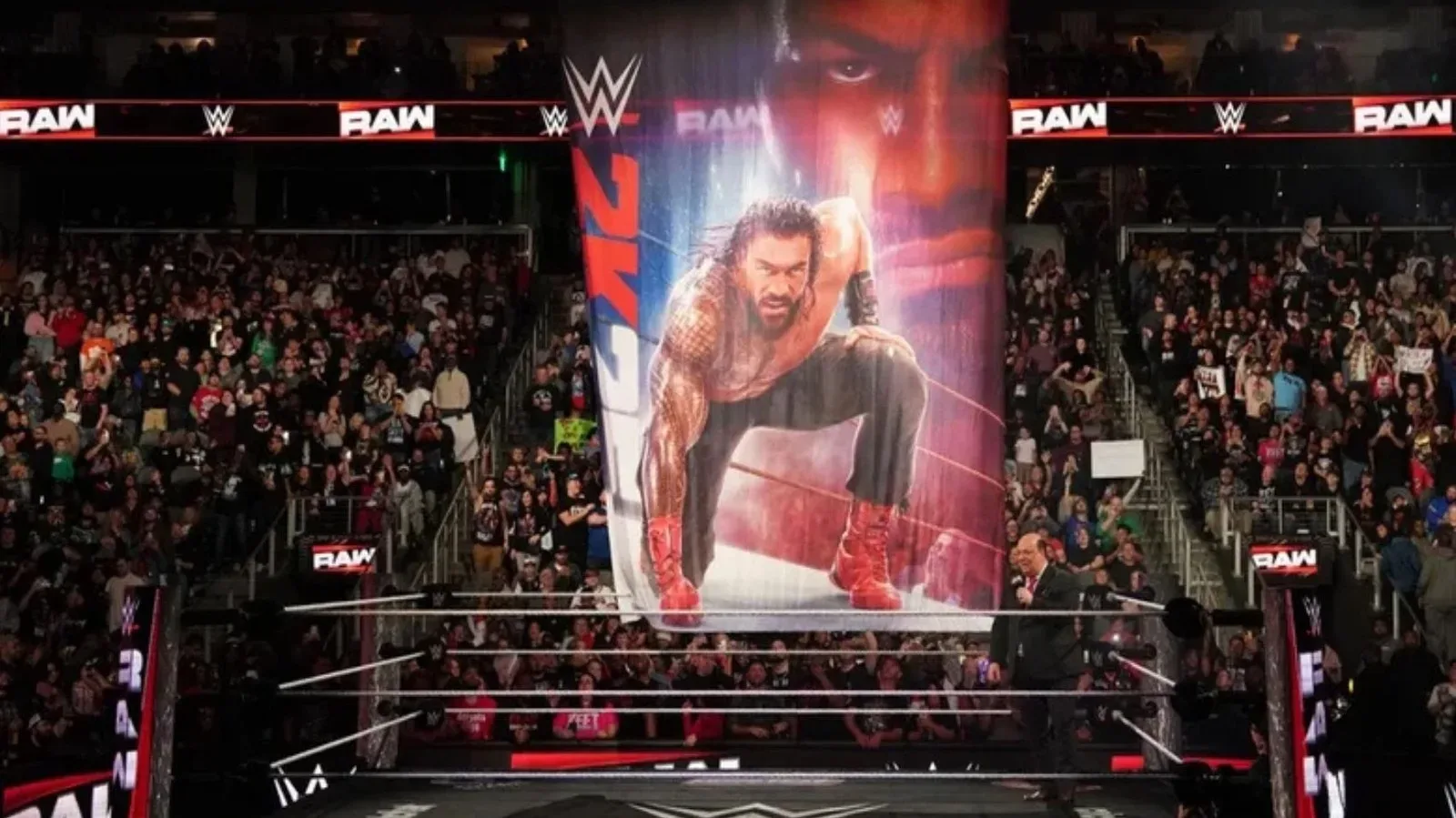
A copyright lawsuit targeting TKO Group Holdings, WWE, 2K Games and Take-Two Interactive over the presentation of The Bloodline has been dismissed with prejudice.
The case was brought by Arkansas independent wrestling promoter Nathaniel Tatha-Nanandji, who operates WCWA Wrestling. Tatha-Nanandji alleged that WWE incorporated protected elements from an entrance sequence used by his WCWA faction, Tier 1, into The Bloodline’s on-screen presentation and entrance material. The allegations extended to WWE programming as well as a WWE 2K video game.
The dismissal was entered on September 10 in the Western District Court of Arkansas. Because the case was dismissed with prejudice, the same claims cannot simply be filed again in that court. Tatha-Nanandji had initially sought a jury trial.
Court Finds No Copying of Protected Elements
The key finding in the dismissal centered on the copyright standard for actionable copying. The judge concluded that there was no
For more background on this topic, read WWE Reportedly Pressing Ahead With WrestleMania 43 Plans in Riyadh Despite Regional Security Concerns.
“copying of constituent elements”between the work claimed by Tatha-Nanandji and WWE’s Bloodline entrance material.
That language is significant in a copyright dispute. A party bringing an infringement claim must establish more than the existence of broad similarities, parallel concepts or comparable creative ambitions. Copyright law protects the original expression of an idea, not the underlying idea itself. In the context of wrestling presentation, that distinction can become especially important, as entrances can use recurring industry conventions involving faction members, music, lighting, camera direction, walkouts, poses and arena staging.
The dismissal means the court did not find a legally sufficient basis to treat the cited aspects of The Bloodline’s entrance as copied protected expression from Tier 1’s sequence. The ruling brings a decisive end to the action in its current form before the Western District Court of Arkansas.
The Claims Centered on Tier 1 and The Bloodline
Tatha-Nanandji’s complaint ran approximately 30 pages and set out his view of the alleged overlap in considerable detail. He maintained that he owned an audiovisual entrance sequence created for Tier 1, a faction used in WCWA Wrestling.
He said the sequence was created in April 2019 and was used by the promotion through 2021. In the suit, Tatha-Nanandji argued that material from those WCWA presentations was later reflected in the way WWE presented The Bloodline, the dominant WWE faction that became central to company programming during that period.
The complaint alleged that WWE began using a similar sequence for The Bloodline in September 2021. Tatha-Nanandji further contended that a WWE employee had attended a WCWA event and subsequently “kept tabs” on the promotion. His filing framed that allegation as part of the basis for his belief that WWE had access to the Tier 1 material before adopting the Bloodline presentation he challenged.
However, access alone is not enough to establish copyright infringement. A claimant must also show actionable copying of protectable elements. The court’s conclusion that there was no copying of constituent elements resolved that central issue against Tatha-Nanandji’s claims.
WWE Programming and the WWE 2K Game Were Named in the Case
The lawsuit was not limited to WWE television and premium live event programming. Tatha-Nanandji also named 2K Games and parent company Take-Two Interactive, connecting the claim to the use of The Bloodline entrance material in a WWE 2K title.
Video game publishers can become part of intellectual-property litigation when disputed material is included in a game, even when the underlying creative presentation originated with another rights holder. In this instance, the claims tied the game release to the same alleged infringement asserted against WWE and TKO.
With the case dismissed with prejudice, the result applies to the claims as brought against all of the named defendants in this action. WWE, its parent company TKO, 2K Games and Take-Two were all included in the lawsuit’s scope.
The case also illustrates the increasingly broad footprint of WWE’s intellectual property. A major act’s presentation can exist simultaneously across live television, streaming archives, social clips, promotional campaigns, licensed merchandise and video games. That reach can expand the number of parties named when an individual believes a protected work has been used without authorization.
Timeline of the Dispute
The sequence of events alleged by Tatha-Nanandji began with Tier 1’s use of the entrance presentation in 2019. He said the work was created in April of that year, with WCWA continuing to use it into 2021.
His complaint placed WWE’s allegedly similar Bloodline sequence in September 2021. The Bloodline’s prominence grew rapidly around that era, with Roman Reigns at the center of WWE’s long-running faction storyline and members of the Anoa’i family becoming integral parts of its presentation.
Tatha-Nanandji said he first compared the two entrance sequences at the beginning of 2024. He then notified WWE of the alleged infringement in October 2025. The filing stated that WWE continued using the material after that notice.
Those allegations laid out the plaintiff’s account of when he recognized the supposed similarities and when he contacted WWE. The court’s dismissal does not validate the infringement theory described in the complaint; instead, the ruling found the necessary copying of protected constituent elements was not present.
What a Dismissal With Prejudice Means
A dismissal with prejudice is materially different from a dismissal without prejudice. When a case is dismissed without prejudice, a plaintiff may sometimes be able to revise the complaint and try again, provided procedural rules and applicable deadlines allow it. A dismissal with prejudice generally closes the door on bringing the same claim again in that same court.
For Tatha-Nanandji, that means this version of the copyright litigation cannot be refiled in the Western District Court of Arkansas. The case has reached a final disposition there rather than being left open for a routine amended complaint.
There is also a settlement conference listed for next month. The available case details do not explain how that scheduled conference may relate to the dismissal with prejudice, whether it concerns any remaining procedural issue, or whether its status could change following the court’s ruling. The dismissal itself remains the consequential development: the copyright action alleging that The Bloodline entrance copied Tier 1’s protected expression has been dismissed with prejudice.
Copyright Questions in Wrestling Presentation
Wrestling promotions routinely develop distinctive visual identities for performers and factions. Music, titantron footage, color palettes, lighting, clothing, ring introductions and coordinated movement can all help define an act. The Bloodline, in particular, became one of WWE’s most recognizable modern presentations, and its entrance became closely associated with the group’s position at the top of WWE programming.
Yet distinctiveness in a performance setting does not automatically make every component of a presentation independently protected from others using comparable ideas. Courts evaluating copyright claims must separate concrete expressive material from general concepts and commonly used elements. That analysis is especially relevant in a field where dramatic group entrances, intimidation, family-based factions and carefully staged arena walks are longstanding features of wrestling storytelling.
Tatha-Nanandji’s case attempted to argue that the similarities crossed the line from shared concepts into copying of a protected audiovisual sequence. The court disagreed, finding no copying of constituent elements. As a result, WWE and the other defendants will not face a jury trial on those allegations in the Arkansas federal court action.
A Final Result for the Arkansas Case
The dismissal concludes a lawsuit that raised an unusual challenge to one of WWE’s most recognizable faction presentations. Tatha-Nanandji asserted that Tier 1’s WCWA entrance sequence had been appropriated for The Bloodline and later carried into licensed video game content. WWE, TKO, 2K Games and Take-Two were named as defendants because of their respective connections to the wrestling programming and game material at issue.
The court’s ruling did not accept the premise that WWE copied protected constituent portions of the Tier 1 sequence. By dismissing the case with prejudice, the court made that decision final as to the claims filed in the Western District Court of Arkansas.
For WWE, the decision removes a legal challenge connected to a presentation that has been a major part of its storytelling identity since 2021. For Tatha-Nanandji, the ruling ends his federal case in Arkansas on the asserted copyright theory, despite his initial request for the dispute to be decided by a jury.
In pictures

Darryl Polo
Darryl Polo is a passionate wrestling fan covering WWE, AEW, TNA and beyond. He loves great rivalries, breakout stars and the moments that keep fans talking long after the bell. How we work.