
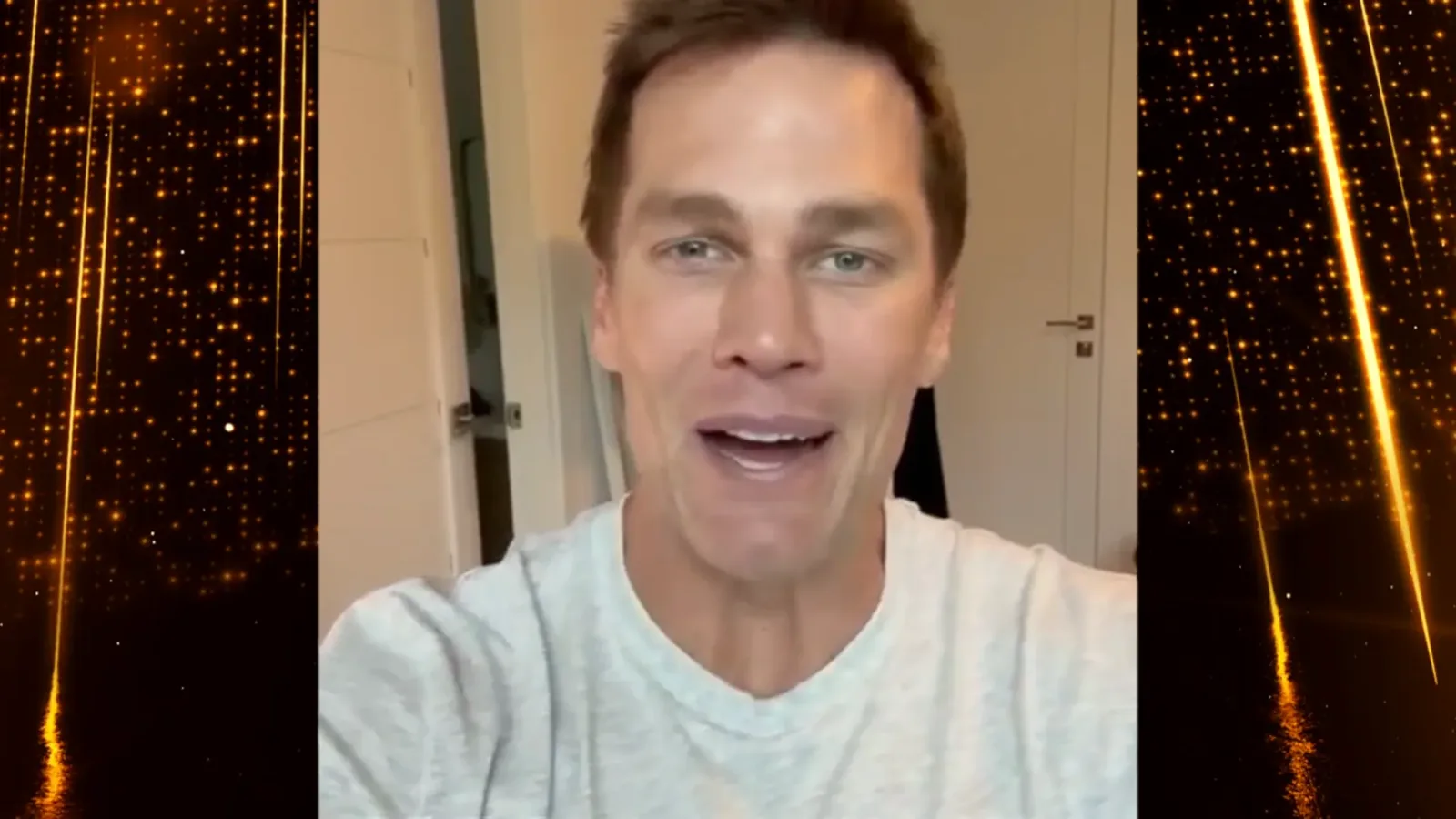
Tom Brady’s name has become an unexpected point of discussion in WWE circles, and Nic Nemeth believes the former NFL quarterback has the profile to make an impact if he ever steps into the company. Still, Nemeth is not convinced that global celebrity status and an extraordinary football career automatically translate into surviving the physical realities of a WWE ring.
Conversation around a possible Brady-WWE connection picked up in July, when it was reported that WWE and Brady had been in discussions. The speculation followed Brady’s public feud with Logan Paul, giving fans an obvious WWE-related angle to consider. A clash involving one of the most decorated names in football and one of WWE’s most high-profile personalities would bring substantial mainstream attention, but Nemeth sees several hurdles between a headline-grabbing idea and a successful in-ring appearance.
Speaking about Brady’s prospects, Nemeth said he believes Brady could potentially thrive in certain parts of the WWE environment. However, he emphasized that taking even one major bump can immediately change an outsider’s perspective on what professional wrestling demands.
“I think he’s someone who could excel in any aspect of it. Physically, I don’t know, because once you get body-slammed one time by Omos or somebody, it changes what you think wrestling was. You get slammed once, you get rocked, and you think to yourself, ‘Oh boy, this is every day, all day.’”
For more background on this topic, read JBL Says AAA’s Daga Has Reminded Him of Eddie Guerrero.
That distinction is central to Nemeth’s assessment. Brady’s athletic background is unquestionable, and his long NFL career required toughness, preparation and the ability to perform under intense pressure. Yet WWE has its own physical language. The demands do not simply come from taking a single slam or delivering a single move. A performer must understand timing, positioning, pacing, crowd interaction and the responsibility of protecting both themselves and the person across the ring from them.
Nemeth specifically invoked Omos as an example of the kind of imposing WWE opponent who could rapidly introduce Brady to that reality. A body slam from an athlete of that size would be a startling experience for almost anyone with no wrestling background, regardless of their accomplishments in another sport. The point was not that Brady lacks toughness, but that wrestling’s impacts and repetitions create a different kind of test.
Star Power Is Not the Same as Ring Readiness
Brady would enter WWE with an advantage very few first-time celebrity participants possess: he is already one of the most recognizable sports figures in the world. That recognition alone could create an immediate reaction from a live audience. WWE has long made room for celebrities when the situation makes sense, particularly when a mainstream name can add intrigue to an existing rivalry or a major event.
Nemeth acknowledged that Brady’s mindset could be especially useful outside the ropes. Rather than immediately placing him in a physically demanding match, Nemeth suggested a role built around personality and presentation may be more natural.
“So I think mindset-wise, he could absolutely be some smarmy, Paul Heyman character on the side, perhaps. But physically, we got to see how he holds up. He held up for a hell of a long NFL career, and that’s really impressive.”
The Paul Heyman comparison points to a possible path where Brady’s value would be driven by verbal work, character presence and association with an established WWE act. A manager-style role could allow him to lean into confidence, arrogance or strategic gamesmanship without asking him to immediately absorb the physical punishment involved in a full match.
That would not necessarily remove every challenge. WWE’s best non-wrestling personalities must still command a crowd, deliver memorable lines and understand when to enhance the talent around them rather than overwhelm the story. But it could offer a more controlled setting for Brady to find his footing, especially if any early involvement is connected to the ongoing attention around Logan Paul.
Brady’s football résumé also gives WWE a ready-made foundation for character work. His competitive reputation, lengthy career and association with high-pressure performances could be presented in different ways depending on the intended role. He could be portrayed as a confident outsider who believes he can master yet another arena, or as a targeted celebrity drawn into a conflict with someone eager to challenge his status. Those possibilities are easy to imagine. Turning them into compelling television would still require Brady to adapt to WWE’s particular performance style.
The Promo Challenge Could Be Just as Important
Nemeth’s concerns were not limited to physicality. He also noted that a wrestling promo is its own challenge, combining elements of acting, improvisation and live audience engagement. Being a polished media figure in sports does not guarantee someone can deliver a believable WWE promo, particularly when the material is designed to provoke a crowd reaction rather than explain football strategy.
“I really think the star quality could be there, but it’s not for everybody. He could get out there and freeze, and if he’s not talking about defenses and audibles, he might not be able to go along with a promo and make it believable. We got to see — that’s acting, improv, physicality, mindset, ring generalship. All this stuff at once.”
It is an important observation from Nemeth, who has spent years working in an environment where performers are expected to communicate on multiple levels at once. A WWE segment can demand a performer remember scripted points while reacting naturally to the crowd, responding to another wrestler and maintaining a character. If the action moves to the ring, that performer then needs to translate the conflict into a physical story that looks credible and remains safe.
For Brady, the transition would be especially interesting because he would likely not be entering WWE as an unknown prospect with years to learn on smaller stages. His fame would create immediate expectations. Fans would expect confidence, charisma and a memorable moment from the start. That can be an advantage because the audience already knows who he is, but it can also add pressure if he is asked to work in an unfamiliar format without enough preparation.
Nemeth did not dismiss the possibility that WWE could help Brady meet that standard. He noted that the company’s resources and promotional infrastructure could make a major celebrity appearance work if the right pieces were in place.
“So if you put the machine behind him, we can make it work. He’s one of the biggest stars in the world, obviously.”
Why a Brady Appearance Would Draw Attention
Even without a confirmed match or role, Brady’s potential involvement is a significant topic because of his reach beyond wrestling. WWE thrives on moments that can break outside the usual fan base, and a Brady appearance opposite Logan Paul would naturally invite attention from football audiences, sports media and casual viewers who might not otherwise follow weekly WWE programming.
The existing public friction between Brady and Paul provides an immediate hook. WWE often benefits when a celebrity appearance begins with a story viewers already recognize, rather than needing extensive explanation. If Brady were to appear, the company would have a straightforward premise: a major sports icon and a WWE star with a major online presence have already exchanged public shots. That is the kind of setup that could become a promo segment, a confrontation or, with enough training and planning, something more physical.
Nemeth’s comments offer a grounded view of that prospect. The spectacle is obvious, and the potential audience interest is obvious. What is less obvious is how Brady would respond to the details that separate a successful celebrity appearance from an awkward one. Can he deliver a wrestling-style promo? Can he move convincingly in front of a live crowd? Can he handle contact? Can he remain comfortable when the segment stops being a familiar sports-media setting and becomes a performance built on character conflict?
Those are questions that cannot be answered by fame alone. Brady’s longevity in the NFL is evidence of rare discipline and resilience, and Nemeth made clear that he respects that accomplishment. But wrestling asks for a unique blend of athleticism and performance craft. It is not merely about being fit enough to take a move; it is about learning how every part of the presentation fits together.
A Measured View of a High-Profile Possibility
Nemeth’s overall position is neither a full endorsement nor a dismissal. He sees the star quality. He sees the potential for a character role. He sees the promotional upside that comes with a figure as famous as Brady. At the same time, he believes the physical and verbal demands of WWE should not be underestimated.
For now, the discussions reported in July and the Brady-Logan Paul feud have kept the possibility alive in the minds of fans. Whether that leads to a WWE appearance, a non-wrestling role, a confrontation or an eventual match remains uncertain. Nemeth’s perspective suggests that any successful plan would need to recognize Brady’s enormous strengths while carefully accounting for the parts of professional wrestling that no outside résumé can automatically prepare someone to handle.

Darryl Polo
Darryl Polo is a passionate wrestling fan covering WWE, AEW, TNA and beyond. He loves great rivalries, breakout stars and the moments that keep fans talking long after the bell. How we work.