
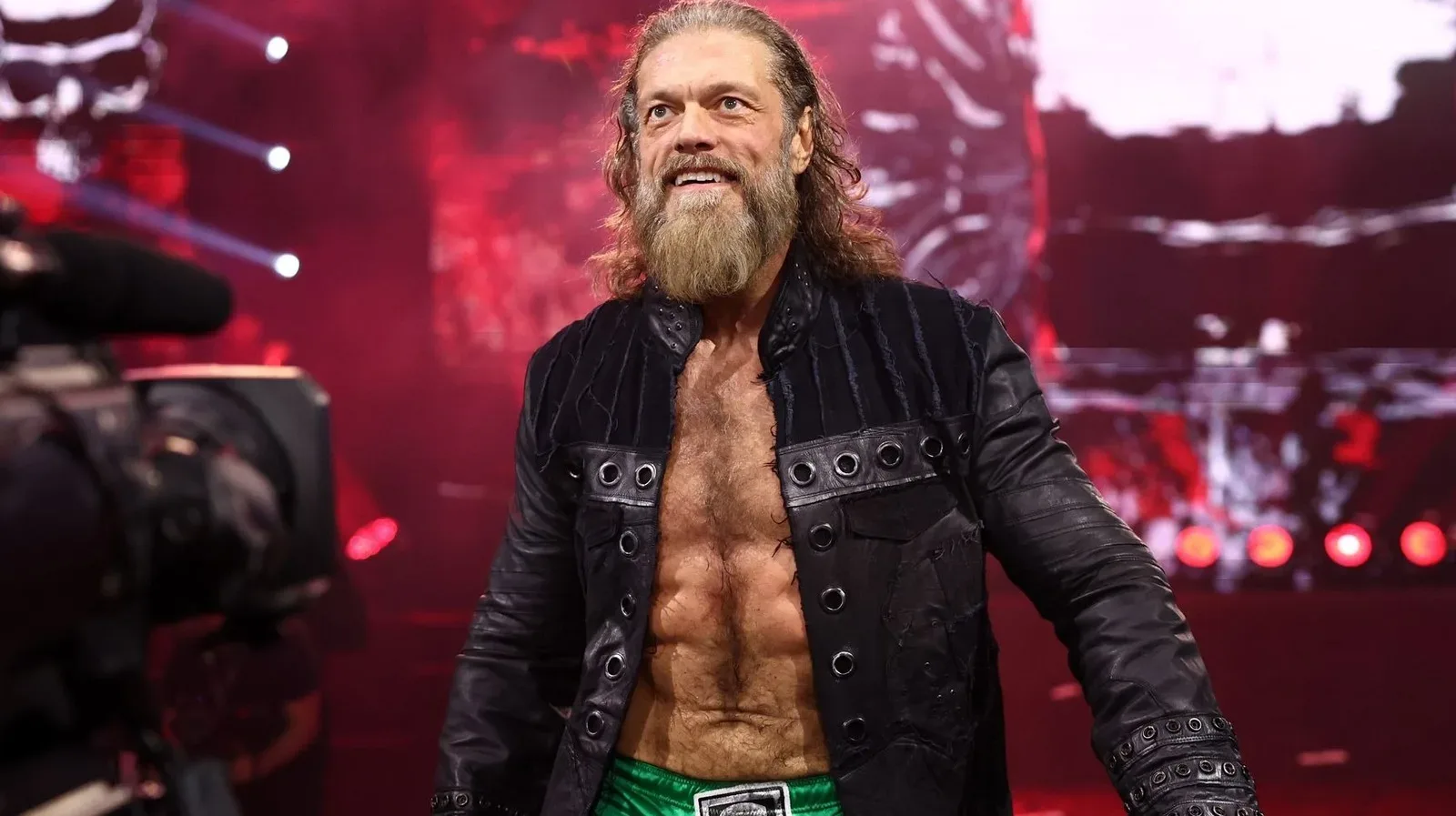
Adam Copeland has performed in many of professional wrestling’s most important buildings over the course of a career that has spanned decades, championship reigns, retirement, an unexpected comeback, and a current run in All Elite Wrestling. Yet one of the industry’s defining venues reportedly remains on his personal list: the Tokyo Dome.
During a recent edition of Wrestling Observer Radio, Dave Meltzer discussed Copeland’s remaining ambitions as he approaches the later stage of an extraordinary in-ring career. Meltzer said the AEW veteran still wants the experience of wrestling in the Tokyo Dome, opening the door to the possibility that Copeland could appear at New Japan Pro-Wrestling’s Wrestle Kingdom 21 on January 4, 2027.
“He still wants to do the Tokyo Dome, and I wouldn’t be surprised if he was on this year’s Tokyo Dome show because that’s one of the places he wants to do,” Meltzer said on Wrestling Observer Radio.
The Tokyo Dome has long held an almost mythic status within wrestling. While it is a major sports and entertainment venue in Japan, its association with NJPW’s annual January 4 spectacle has made it a career landmark for generations of wrestlers. A Tokyo Dome appearance is not simply another booking on a touring schedule; it is commonly viewed as a defining professional accomplishment and a chance to compete before one of wrestling’s most internationally focused audiences.
For more background on this topic, read Jim Ross Provides Update on Ongoing Health Concerns Following Brain Surgery.
For Copeland, a Wrestle Kingdom 21 appearance would represent an especially notable addition to a resume already built around major stages in North America and Europe. It would also be a potentially significant crossover moment between AEW and NJPW, two promotions that have maintained a working relationship and have previously brought talent together for major events. Nothing regarding Copeland’s involvement at Wrestle Kingdom 21 has been announced, but Meltzer’s comments underline that the setting has personal importance to him.
A rare collection of landmark venues
If Copeland does compete in the Tokyo Dome, he would join a select group of performers to have wrestled at four of the sport’s most famous destinations: the Tokyo Dome, Arena Mexico, Wembley Stadium, and Madison Square Garden. Each venue carries a different place in wrestling history, and appearing in all four would reflect the breadth of Copeland’s career across promotions, countries, and eras.
Madison Square Garden is inseparable from the history of WWE and the rise of modern American wrestling as a national phenomenon. Wembley Stadium, meanwhile, has become a major symbol of wrestling’s ability to draw on a stadium scale in the United Kingdom. Arena Mexico is the historic home of CMLL and one of lucha libre’s most cherished buildings. The Tokyo Dome completes a global collection that few wrestlers can realistically pursue.
Copeland has reportedly already added Arena Mexico to his list in 2026. Meltzer noted that accomplishment while discussing the Tokyo Dome goal, saying that Copeland had managed to work the famed Mexican venue this year. That appearance followed a career in which Copeland has continually found ways to revisit goals that once seemed out of reach, particularly after his original retirement from active competition.
His modern run has been defined in part by that willingness to take on fresh environments and opponents. Copeland’s presence in AEW has created matches and rivalries outside the framework that shaped the most recognizable years of his WWE career. A potential trip to NJPW’s biggest annual card would further expand that late-career chapter rather than simply replay familiar ground.
Toronto appearance carried a special personal meaning
Before any possible Tokyo Dome outing, Copeland recently had the opportunity to honor a more personal ambition in his hometown. He headlined Maple Leaf Pro’s Northern Rising pay-per-view in a Street Fight against Steve Maclin at Toronto’s Mattamy Athletic Centre.
The venue is located on the grounds of the old Maple Leaf Gardens, giving the occasion resonance beyond the immediate match. Maple Leaf Gardens had a foundational role in Toronto wrestling culture for decades. For Copeland, it was also part of his own early relationship with the sport, long before he became known worldwide as the Rated-R Superstar.
Meltzer explained on Wrestling Observer Radio that wrestling at a venue connected to Maple Leaf Gardens had been among the locations Copeland hoped to experience before retiring. Although the original building is no longer operating as it once did, competing at the Mattamy Athletic Centre allowed Copeland to perform on the historic site.
“Adam Copeland had a bunch of places before he retires that he wanted to wrestle in, and one of them would have been Maple Leaf Gardens which has shut down but the Mattamy Athletic Centre is the grounds of Maple Leaf Gardens,” Meltzer said on Wrestling Observer Radio.
The connection goes back to Copeland’s youth. He and longtime friend and fellow wrestling star Christian Cage regularly attended wrestling events at Maple Leaf Gardens. Their paths later became intertwined at the highest level of the business, first as a groundbreaking tag team and later as singles rivals and allies across multiple chapters of their careers.
That history makes Copeland’s return to the site more than a nostalgia-driven stop. He was able to move from being a fan in the stands to headlining a pay-per-view on the grounds where he once watched wrestling with Christian. In a profession where careers are often measured by championships and television milestones, the opportunity carried a different kind of value.
Why Wrestle Kingdom would be a major next step
The Tokyo Dome would offer a contrasting but equally meaningful kind of milestone. Maple Leaf Gardens represented Copeland’s roots as a Toronto fan. The Tokyo Dome would represent a globally recognized wrestling destination that has remained outside his body of work.
Wrestle Kingdom is NJPW’s signature event, traditionally held on January 4, and the show routinely attracts attention from across the wrestling world. Over the years, its cards have included Japanese legends, international stars, title matches, special attractions, and inter-promotional appearances. Its placement at the start of the calendar year gives it an identity unlike most other major cards.
For an established performer such as Copeland, a Tokyo Dome match would not need an elaborate justification to feel consequential. The location itself adds stakes and prestige. Still, the eventual shape of any appearance would matter greatly. NJPW has a deep roster of potential opponents, while AEW’s relationship with the company also creates numerous possible matchups that could appeal to fans of both promotions.
At present, though, the key point is the absence of confirmation. Meltzer indicated that he would not be surprised to see Copeland on the January 4 card, but no official announcement has established that Copeland will wrestle at Wrestle Kingdom 21. As with any major event appearance, a final decision could depend on scheduling, creative plans, physical readiness, and the priorities of the promotions involved.
Copeland’s career keeps finding new milestones
Copeland’s interest in these venues is consistent with the broader story of his career. He has spent years performing in front of huge audiences, taking part in major main events, and building a legacy through both team competition and singles success. Yet he has also demonstrated that a long career can still contain firsts.
His current position allows him to pursue those experiences with the perspective of someone who understands how quickly an active career can change. After returning to wrestling following years away from the ring, Copeland has made the most of opportunities that might once have appeared impossible. The reported pursuit of a Tokyo Dome appearance fits naturally within that approach.
There is also a broader appeal in seeing veteran stars seek out buildings and crowds they have not yet encountered. Wrestling’s biggest venues often become landmarks because of the emotional connection between performers and audiences. Copeland’s Maple Leaf Gardens-related appearance was a direct example of that relationship, rooted in his childhood memories of Toronto wrestling. The Tokyo Dome would offer the chance to create a different memory on one of the industry’s grandest stages.
Whether Wrestle Kingdom 21 ultimately becomes part of Copeland’s itinerary remains to be seen. What is clear is that the Toronto milestone has already given him one meaningful full-circle moment, while the Tokyo Dome remains a conspicuous and ambitious entry on his reported bucket list. Should the AEW star step through the curtain on January 4, 2027, it would add another major chapter to a career that has never stopped finding ways to evolve.
In pictures

Darryl Polo
Darryl Polo is a passionate wrestling fan covering WWE, AEW, TNA and beyond. He loves great rivalries, breakout stars and the moments that keep fans talking long after the bell. How we work.