
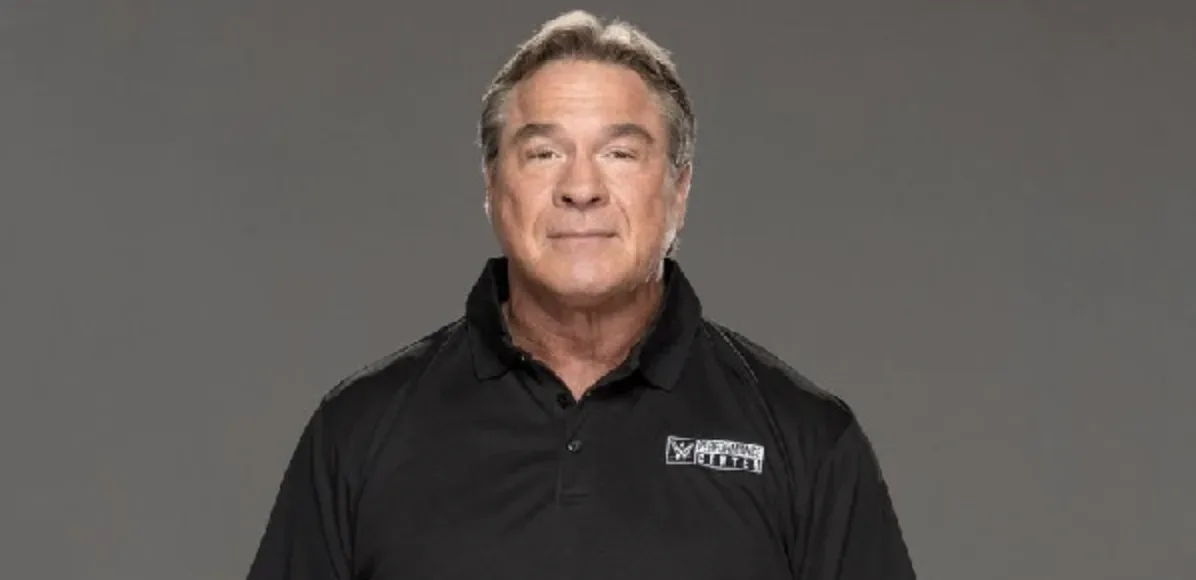
Zoey Serrano has reflected on the serious knee injury she suffered during her WWE NXT run and credited veteran coach Terry Taylor with intervening at a moment she believes changed the course of her career.
The injury occurred on October 26, 2021, at NXT Halloween Havoc, where Serrano competed in a multi-woman ladder match. In recalling the bout, Serrano said she was involved in a high-risk sequence from the top of a ladder that ended with her diving to the outside onto the other competitors. She tore her ACL during that moment, but initially did not realize the full severity of what had happened.
Rather than immediately leaving the action, Serrano said she was able to continue wrestling and complete the match. That ability to keep moving, she explained, made it easier for her to convince both herself and others that the injury was manageable. Once she returned backstage, however, she tried to conceal the pain instead of reporting directly to the medical staff.
It was Taylor who recognized that something was wrong and refused to let her simply walk away from the situation.
For more background on this topic, read Cherry Open To WWE Royal Rumble Return But Questions Her Chances.
“This was when I was in NXT and I just did a ladder spot where I’m on top of the ladder. Girls push it over. I go from the ladder, do a springboard, and land onto the girls. Well, in that very moment, I tore my ACL,” Serrano said. “It hurt. It wasn’t bad, but it hurt. I was able to continue and finish the match. Like, no problem. I was running around, I was doing the rest of my moves. I had no issue.”
In-ring adrenaline has long been a major factor in professional wrestling, particularly in matches involving ladders and other dangerous stipulations. Wrestlers can continue through significant pain in the immediate aftermath of an injury, sometimes only learning the extent of the damage after the match has ended. Serrano’s account illustrates that difficult reality. She felt pain, but she was still mobile and able to perform enough of her offense to get through the rest of the contest.
After the match, Serrano said people around her asked whether she was okay. Her response was to insist that she was fine. She then attempted to head toward the women’s locker room without drawing attention to the condition of her knee. That plan did not work because Taylor had already noticed enough to step in.
“So I try to go up to the women’s locker room, right? I’m trying to hide, because I don’t want anybody to know that I’m actually kind of a little bit in pain,” Serrano said. “Terry Taylor, love this man, he pulls me aside and he says, ‘I know you are injured. You are going to go to medical right now, and if you don’t, I’m going to take you there personally.’”
Serrano said Taylor followed through by accompanying her to be evaluated. Medical personnel tested the knee by moving it in different directions and checking for instability. That examination revealed that the problem was more serious than Serrano had wanted to believe.
She ultimately underwent surgery for both the ACL tear and a meniscus injury. Serrano said that approximately 85 to 90 percent of her meniscus was removed during the procedure, though she presented that figure as an estimate. The surgeries put her on the long road of recovery that comes with a major knee injury, but they also gave her the opportunity to properly rehabilitate and return to the ring.
“Of course there was,” Serrano said of the medical examination finding an issue. “I had to get ACL surgery and meniscus surgery. They actually took out, I want to say 85 or 90 percent of my meniscus. Like, it’s just—it’s not there anymore.”
ACL injuries are among the most disruptive setbacks a wrestler can face. They often require reconstructive surgery, months of rehabilitation, and an extensive period of rebuilding confidence in explosive movements such as running, jumping, landing, and changing direction. For an athlete working in a style that can include dives, springboards, and ladder-match sequences, the physical and mental demands of returning can be especially substantial.
In Serrano’s view, Taylor’s insistence that she receive immediate attention prevented her from making the injury worse through continued use and avoidance of treatment. She said she sees that intervention as career-saving, because attempting to cover up the damage and “walk it off” could have left her knee in a far worse condition.
“Because Terry Taylor did that, he actually saved my career,” Serrano said. “I was able to get surgery, recover, and come back, and the reason why I say that he could save my career is because my knee would be completely gone if I just try to cover it up, you walk it off, you know.”
The story also highlights the importance of the coaching and support staff behind the scenes in WWE’s developmental system. Coaches are responsible for far more than helping talent improve their matches and character work. They are also positioned to observe performers after physically demanding bouts, recognize warning signs, and make sure wrestlers receive care when they may be reluctant to seek it themselves.
That reluctance is understandable in an industry where performers often want to demonstrate toughness, reliability, and a willingness to work through adversity. For developing talent in particular, the instinct to avoid appearing hurt can be strong. Serrano openly acknowledged that she was trying to keep the pain quiet after Halloween Havoc, making Taylor’s decision to confront her all the more meaningful.
Taylor has held a number of roles across his lengthy wrestling career, including as a performer, trainer, producer, and coach. In Serrano’s comments, his significance extended well beyond a routine medical referral. She described him as a central mentor in her life and career, using deeply personal language to explain their bond.
“Terry’s a man that I actually really look up to,” Serrano said. “I look up to him as a mentor, would even say as a father. He’s kind of like more of a grandfather age. But, you know, I look up to him. I love him dearly.”
Serrano’s recollection places a human perspective on a moment that could easily be reduced to a match spot and a medical diagnosis. The ladder sequence at Halloween Havoc was designed to be dramatic, but the consequences for Serrano lasted long after the event. She finished the match despite the tear, underwent ACL and meniscus surgery, and then faced the recovery process necessary to resume her career.
Her praise for Taylor centers on the fact that he would not allow her to minimize the injury. By identifying the issue and personally making sure she reached medical, Serrano believes he gave her the chance to address the damage before it became even more devastating. Years after the match, that remains the defining part of the experience for her: not merely the painful landing or the surgery, but the mentor who recognized she needed help when she was determined to insist she was fine.

Darryl Polo
Darryl Polo is a passionate wrestling fan covering WWE, AEW, TNA and beyond. He loves great rivalries, breakout stars and the moments that keep fans talking long after the bell. How we work.