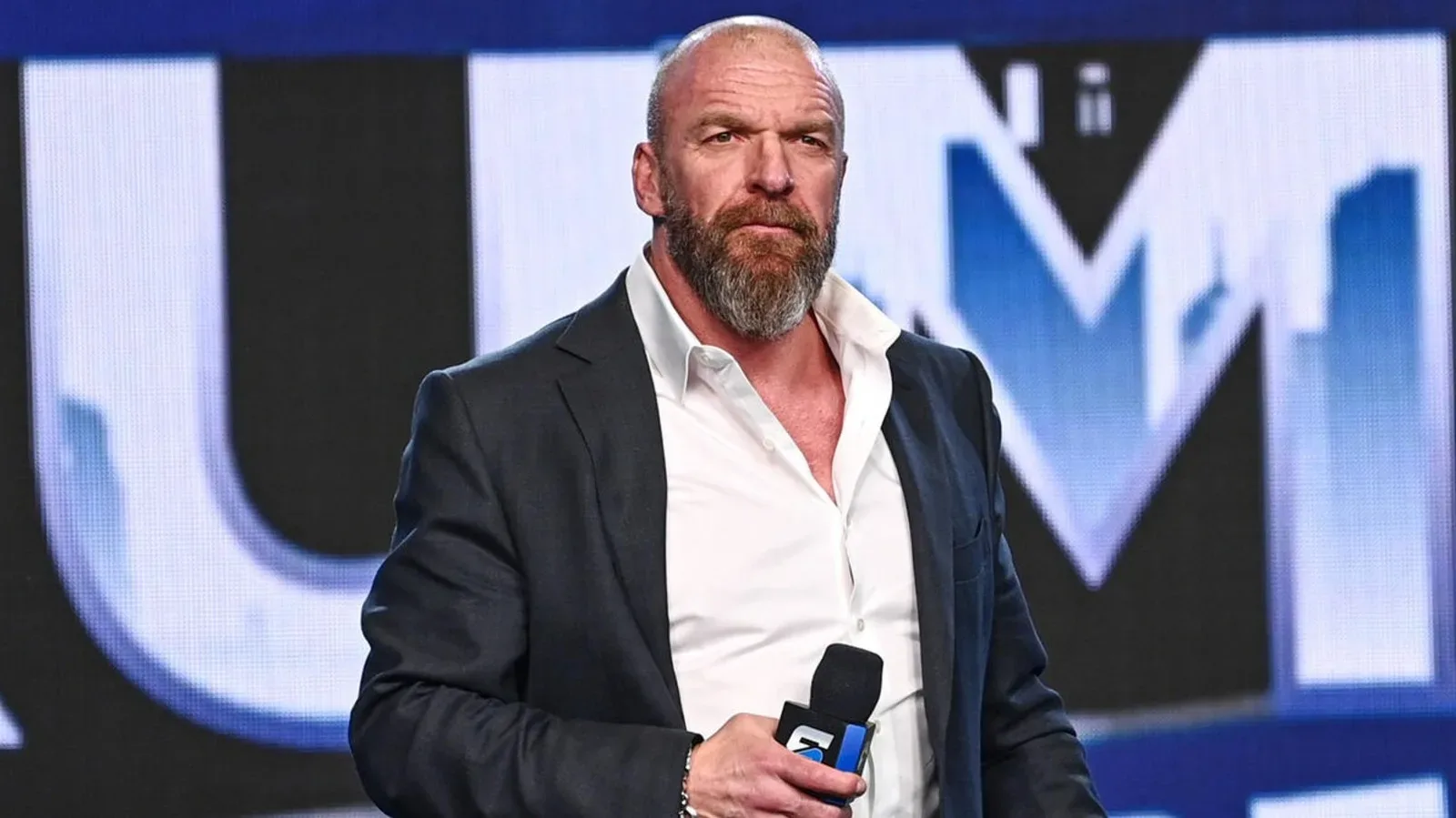
WWE’s move to Netflix was widely viewed as an opportunity for WWE Raw to operate with fewer content limitations than it had under traditional television distribution. A new report, however, indicates that WWE production departments have become frustrated by the level of censorship required by the streaming partner following the August 31 episode of Raw.
The issue came into focus during a storyline involving Jey Uso, The Bloodline, and Royce Keys. Uso was legitimately shown bleeding after being busted open by Keys, but his face was blurred when the footage aired on Netflix. Later in the same broadcast, an expletive-filled promo from Jacob Fatu was also censored.
Those moments have reportedly prompted concerns inside WWE, particularly among production personnel who feel restricted by the platform’s standards. WWE was said to have understood before Raw’s Netflix era that the service would maintain rules about what could air. The reported frustration is rooted in the belief that those restrictions have been more severe than anticipated.
Jey Uso Footage Was Altered During the Netflix Broadcast
The Uso incident was the most visible example from the August 31 show. Raw had been taped on August 28 before airing several days later, and the attack involving The Bloodline and Keys left Uso with a bloodied face. When the segment was presented on Netflix, viewers saw Uso’s face obscured by a blur effect.
The decision drew attention because blood has long been a notable visual element in major wrestling angles, even if WWE has often limited such imagery during various eras. In this case, the angle was not simply reduced in replay footage or edited after the fact. The bleeding was actively concealed during the episode’s presentation.
After Raw concluded, Triple H posted an uncensored version of the attack. That version showed Uso’s face without the blur, including the visible blood from the altercation. The report stated that WWE’s creative team collectively determined that releasing the uncensored footage was the best response after the Netflix presentation had altered the segment.
The post-show release made the contrast clear: the attack itself remained part of WWE’s storyline, while the Netflix version of the material was subject to a separate standard for what could be shown on the service.
Production Frustration Centers on Unexpected Limits
WWE’s production teams are reportedly among those frustrated by the situation. The concern is not that Netflix had no standards in place; WWE was reportedly aware that the streaming company would have boundaries involving violent imagery and language. Rather, the internal feeling is said to be that the practical application of those boundaries has been stricter than WWE expected.
That distinction is important. A promotion can plan around known restrictions, whether they involve profanity, blood, graphic violence, or other sensitive material. The challenge becomes more complicated when an angle is produced with a particular dramatic visual in mind and the final broadcast requires prominent censorship that changes how the scene is received by viewers.
For a live wrestling product, those issues can have immediate consequences. Camera direction, replay packages, commentary, production timing, and the rhythm of the show all depend on the ability to present an angle as intended. A blur over a performer’s face is particularly conspicuous because it can become the audience’s focus rather than the storyline itself.
The report did not identify a specific resolution to the reported frustrations. It did, however, indicate that WWE personnel have been dealing with a gap between the creative flexibility some expected from a streaming platform and the content standards now being enforced on Raw.
The Taped Nature of the August 31 Raw Raised Questions
The August 31 edition of Raw was taped on August 28, giving WWE several days between the event itself and its Netflix release. That timing reportedly led some people behind the scenes to question whether the Bloodline and Keys segment could have been held until the following week, when it would have aired live.
That question does not mean the segment was improperly scheduled or that WWE had a guaranteed alternative available. It does illustrate the uncertainty that can emerge when an angle involving blood or strong language is planned for a taped program that must then pass through content review before release.
If the same moment had been held for a live edition, WWE would still have needed to work within Netflix’s policies. At the same time, the discussion reportedly reflected a belief that the situation may have played out differently in the context of a live broadcast. The report did not establish that the segment would have aired uncensored live, only that there were internal questions about whether delaying it might have been preferable.
The timing also underlines a broader production reality. Taped shows can offer more opportunities for edits, but those edits can sometimes create a final product that differs sharply from the intended in-arena moment. In Uso’s case, the uncensored version later shared by Triple H ensured that the visual consequence of the attack was still available to fans, even though it was not initially shown that way on Netflix.
Jacob Fatu Promo Was Also Censored
The Uso footage was not the only content affected on the episode. Jacob Fatu delivered a promo containing expletives, and that material was censored as well. The two incidents together gave the August 31 Raw a clear example of the types of content that are apparently drawing intervention: visible blood and strong language.
Fatu’s presentation has frequently relied on intensity, and profanity can be part of how WWE establishes a confrontational or volatile tone for a character. Censoring such language is not new to wrestling television, but it is notable in the Netflix environment because the move to streaming had created expectations among many viewers that WWE might have broader latitude than it did in more conventional broadcast settings.
Instead, the August 31 show suggested that the boundaries remain significant. The report framed WWE’s current challenge as one of adapting to Netflix restrictions that are reportedly tighter than personnel expected, not as WWE abandoning intense storytelling or avoiding mature themes altogether.
What the Situation Means for Raw Going Forward
There is no indication that WWE is changing its relationship with Netflix or that Raw’s overall creative direction is being rewritten because of the censored segments. Still, the reported internal reaction suggests that WWE may need to account more carefully for Netflix’s standards when planning specific angles, promos, and visual payoffs.
Blood, in particular, can be difficult to use casually in modern wrestling production. When a wrestler is shown bleeding, the image can signal danger, deepen a rivalry, and create a memorable turning point. It can also create complications for a distributor that applies a strict approach to graphic content. The Uso angle demonstrated that those two priorities can collide in real time.
WWE’s decision to make an uncensored version available after Raw offers one possible way to preserve the intended storyline visual while respecting the broadcast restrictions imposed on the Netflix airing. Whether that becomes a more frequent approach remains uncertain. The report only establishes that WWE creative chose that option in this particular instance after the Netflix version of the attack was censored.
For now, Raw remains a major part of WWE’s Netflix schedule, and the company will continue balancing in-ring violence, character-driven language, and its partner’s presentation guidelines. The August 31 episode showed that moving to streaming has not eliminated censorship concerns. If anything, it has made the limits of WWE’s new distribution environment more visible.
As WWE continues producing Raw under Netflix’s standards, the handling of Uso’s bloodied appearance and Fatu’s censored promo will likely stand as an early example of the practical tension between creative plans and platform restrictions. WWE reportedly expected rules, but the company’s production teams are now said to be learning just how closely those rules can shape what viewers ultimately see.
Keep reading on SmackDownOnYou
In pictures

Darryl Polo
Darryl Polo is a passionate wrestling fan covering WWE, AEW, TNA and beyond. He loves great rivalries, breakout stars and the moments that keep fans talking long after the bell. How we work.