
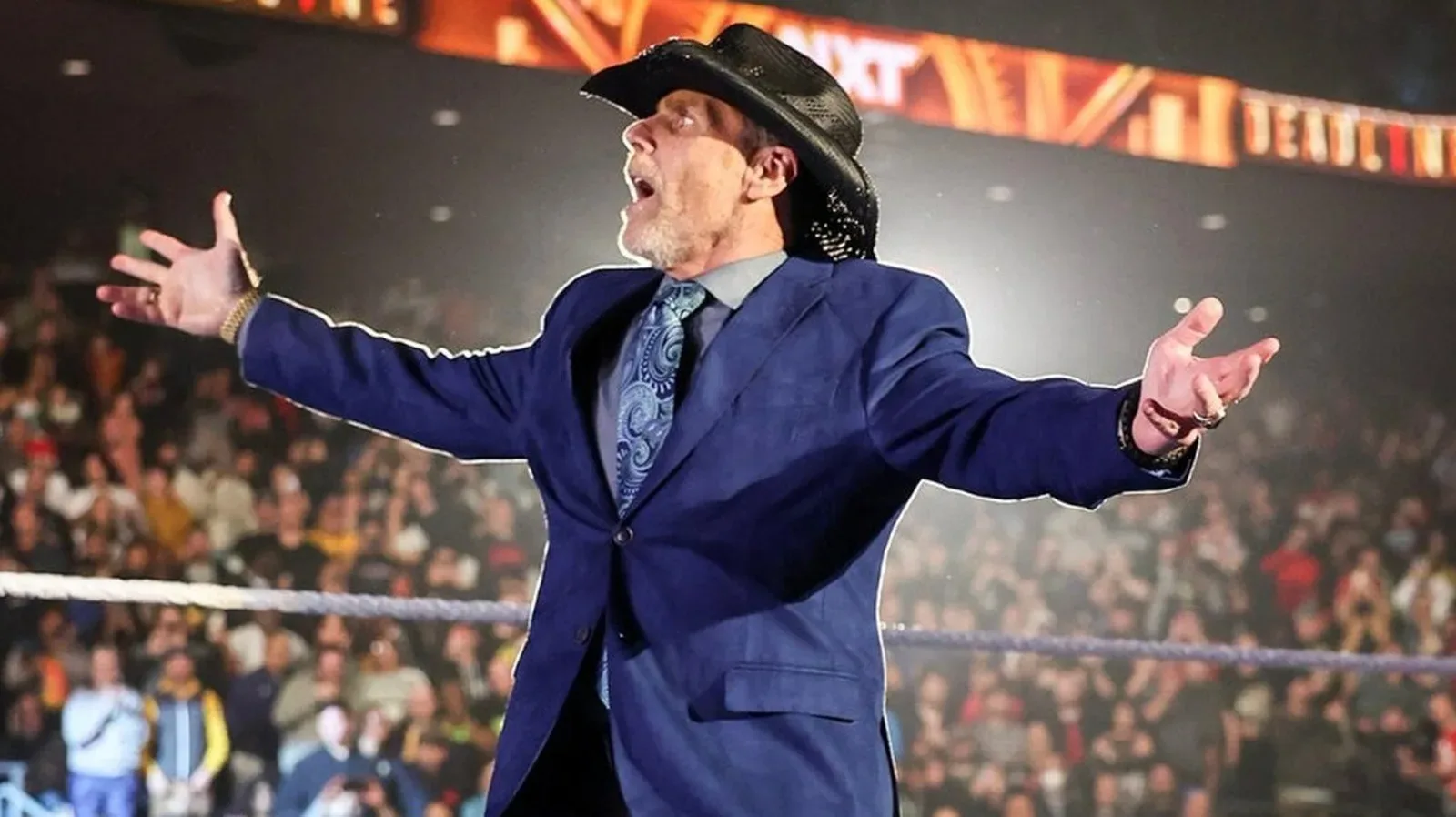
WWE NXT Heatwave reportedly faced an unexpected live-event challenge after sharing a doubleheader with AAA at the Burt Ogden Arena in Edinburg, Texas.
The September 2026 event was structured with AAA Ola de Calo taking place before NXT Heatwave. The pairing represented another major presentation involving WWE and Lucha Libre AAA Worldwide, which WWE acquired in April 2025. While the concept gave fans two distinct wrestling experiences in one day, reports indicate that the transition between the shows did not produce the same level of energy for NXT that it did for AAA.
AAA’s portion of the card was said to be a major attraction for the fans in attendance. By contrast, an estimated one-third of the crowd reportedly exited the arena once the AAA event had ended, leaving NXT performers to work before a noticeably reduced audience later in the day.
That audience change reportedly led WWE to darken portions of the building during the NXT tapings. The visual adjustment is commonly used when a venue has empty seating areas, but it also underlined the contrast between the crowd present for the opening show and the crowd that remained for Heatwave.
For more background on this topic, read Myles Borne Praises Stephanie Vaquer’s Work Ethic and English-Language Progress.
A Long Day, Then a Smaller Crowd
People involved with the NXT side of the doubleheader were reportedly “frustrated” by the situation. The concern was not simply that the building had fewer fans in it by the time Heatwave began. It was also the combination of the wait, the timing, and the visible drop in enthusiasm after AAA had already delivered a lively presentation.
Those involved reportedly felt NXT talent had waited between four and five hours before performing in front of a crowd that was both depleted and less responsive than the audience that had reacted strongly to the lucha libre action earlier in the day.
For any wrestling roster, crowd energy is an important part of a major show. It affects the rhythm of matches, the timing of character work, the confidence behind promos, and the overall perception of an event when it is later watched on television or through highlights. A crowd does not need to be a sellout to be effective, but a noticeable exodus during a doubleheader can create a very different working environment for the wrestlers who go on second.
That appears to have been the central frustration surrounding NXT Heatwave. The format offered the possibility of exposing AAA and NXT audiences to each other, but the practical reality was that a portion of the ticket-buying public seemingly treated AAA as the main destination of its day.
Why AAA May Have Been the Bigger Live Draw
The reason for the difference in reactions remains open to interpretation. However, Edinburg’s location is an obvious part of the discussion. The city sits approximately 20 miles from the United States-Mexico border, in a region where lucha libre has deep cultural familiarity and a substantial live audience.
AAA’s style, presentation, and talent base naturally fit that market. Lucha libre is not an unfamiliar attraction that needs to be introduced to fans in the Rio Grande Valley; it is a major part of wrestling culture for many people in the area. A show built around AAA therefore had a strong chance of feeling especially meaningful as a live experience, particularly when the promotion was presented in a prominent arena setting alongside WWE.
NXT, meanwhile, carries its own identity as WWE’s developmental and third-brand product. It has established stars, a devoted following, and its own event calendar, but it was entering the second half of a lengthy shared day after the audience had already seen a full AAA show. Even fans who were interested in both brands could have faced the ordinary factors that affect marathon event attendance: travel plans, fatigue, family commitments, and the simple decision to attend primarily for one promotion.
None of that necessarily means the NXT audience that remained was uninterested. Reports instead point to a sharp contrast in the atmosphere, with AAA receiving the hotter response and NXT working under more difficult conditions. In wrestling, those differences can become especially noticeable when one show directly follows another rather than taking place on a separate night.
The Challenge of Combining Two Audiences
The WWE-AAA relationship creates significant opportunities, but the Heatwave situation illustrates the logistical challenge of presenting two brands with different histories, styles, and audience expectations on the same bill.
On paper, a doubleheader can be a compelling value proposition. Fans receive more wrestling, the companies can share venue costs, and the event can create crossover interest. It can also make a statement about the importance of the partnership, particularly following WWE’s 2025 acquisition of AAA.
But a combined event also asks a great deal from its audience. Wrestling cards can run long under normal circumstances. Adding an entire AAA presentation before an NXT premium event creates a considerably longer commitment, especially for fans traveling from outside the immediate area. The audience that enters the arena for the first match may not be the same audience still in its seat at the final bell of the second show.
There is also a question of which brand is positioned as the emotional centerpiece for the local market. In Edinburg, AAA appears to have had a considerable advantage in that regard. If many attendees bought tickets primarily to see lucha libre, then the energy level after AAA concluded was always at risk of changing dramatically, regardless of NXT’s quality or the names on its card.
The reported reaction from those connected to NXT should not be read as criticism of AAA’s success. Rather, it reflects how difficult it can be for performers when a preceding event reaches a high level of excitement and then takes a meaningful segment of the audience with it when it ends. AAA drawing so well was positive for the broader partnership; the issue was how the schedule affected the show that followed.
What It Means for Future WWE and AAA Events
There has been no indication that WWE and AAA are stepping away from working together. The acquisition of AAA in April 2025 established a long-term connection between the companies, and the relationship continues during an important stretch for AAA.
AAA is preparing for Triplemanía 34, with events scheduled for Friday in Las Vegas and Sunday in Mexico City, Mexico. Those shows will put renewed attention on the promotion at a time when WWE’s involvement has expanded AAA’s visibility and intensified interest in how the two entities will collaborate going forward.
The reported Heatwave experience could nevertheless provide a useful lesson for future scheduling. If WWE and AAA continue to stage joint presentations or same-day events, organizers may need to consider whether the promotions are best served by a true doubleheader, separate start times, distinct ticket structures, or a presentation that more deliberately blends the brands rather than treating one complete event as the lead-in to another.
Each approach comes with tradeoffs. Separate events could prevent audience fatigue but reduce the immediate crossover effect. A combined card may keep more fans in the building, but it would require careful pacing and a format that respects the identity of both products. Keeping the same doubleheader model remains viable as well, though the response in Edinburg suggests that local audience preferences must be central to those decisions.
For NXT talent, the immediate takeaway is more personal. Wrestlers prepare to perform at the highest level regardless of the size or mood of the crowd, but the environment matters. Going out after hours of waiting, with darkened sections of an arena and fewer vocal fans than were present earlier, is not the ideal setting for a major annual event such as Heatwave.
For AAA, the event reinforced the strength of lucha libre in a border-region market. The promotion reportedly delivered the kind of live response that made a clear impression on everyone in the building. The challenge for WWE is now to translate that enthusiasm into a structure where both AAA and NXT can benefit without one side feeling like it is performing after the audience’s main event has already taken place.
The Edinburg doubleheader was an ambitious collaboration between two connected promotions with very different live identities. AAA’s strong showing demonstrated the demand for lucha libre in the market. NXT Heatwave’s reported crowd difficulties demonstrated that drawing fans into the building is only one part of the equation. Keeping them engaged through an entire multi-hour, two-promotion event may prove to be the more important task for future joint shows.
In pictures

Darryl Polo
Darryl Polo is a passionate wrestling fan covering WWE, AEW, TNA and beyond. He loves great rivalries, breakout stars and the moments that keep fans talking long after the bell. How we work.